
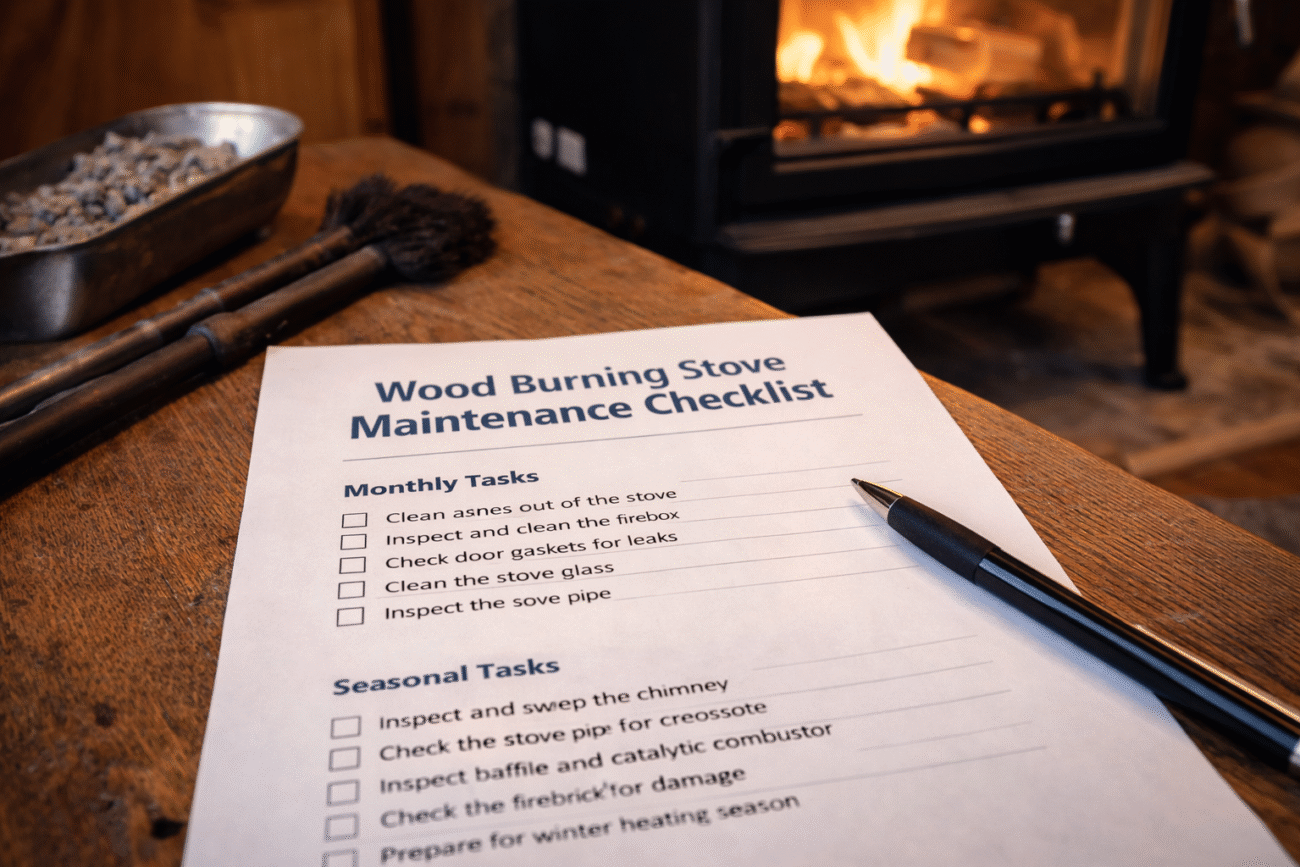
I learned about the importance of a wood burning stove maintenance checklist the hard way. It was February 2019, and I was responding to an emergency call from a panicked homeowner. Their chimney had caught fire at 2 AM, sending flames shooting out the top. The scary part? It could have been prevented with basic maintenance.
That night changed how I approach wood stove care. A proper wood burning stove maintenance checklist isn’t just about keeping your stove running smoothly, it’s about preventing house fires, carbon monoxide poisoning, and the kind of disasters that make the evening news. After 18 years of installing and servicing wood stoves, I’ve created a comprehensive wood burning stove maintenance checklist that covers everything from daily tasks to annual deep cleaning.
Here’s the short answer most people are looking for: your wood burning stove maintenance checklist should include daily ash removal, weekly glass cleaning, monthly chimney inspection, quarterly gasket checks, and annual professional chimney sweeping. During peak burning season (October through March), you’ll need to check creosote buildup every 4-6 weeks and inspect door seals monthly to ensure safe, efficient operation.
Why Your Wood Burning Stove Maintenance Checklist Matters More Than You Think
Most wood stove owners don’t realize that 25% of residential heating fires come from wood stoves and chimneys, according to the National Fire Protection Association. The overwhelming majority of these fires stem from neglected maintenance. Creosote buildup alone causes over 15,000 chimney fires annually in the United States.
But fire risk is just one part of the equation. A well-maintained wood burning stove can be 30-50% more efficient than a neglected one. That translates to real money saved on fuel costs and fewer hours spent splitting wood. Over a single heating season, proper maintenance can save you several cords of wood.
I’ve also seen what incomplete combustion does to indoor air quality. When your wood burning stove maintenance checklist is ignored, you’re not just wasting fuel, you’re potentially exposing your family to carbon monoxide and particulate matter that the EPA warns can cause respiratory problems.
The good news? Staying on top of maintenance isn’t complicated. You just need the right wood burning stove maintenance checklist and the discipline to follow it.
Understanding Your Wood Burning Stove Components
Before diving into the maintenance tasks, let’s talk about the parts you’ll be working with. Every wood burning stove maintenance checklist addresses these key components:
The firebox is where combustion happens. It takes the most abuse from heat and should be inspected regularly for cracks or warping. The door gasket creates an airtight seal, critical for controlling air intake and preventing smoke leakage.
Your baffle and secondary burn tubes (in modern EPA-certified stoves) are what make your stove efficient. The baffle directs smoke and gases to stay in the firebox longer, while secondary burn tubes inject preheated air to burn off gases that would otherwise escape. Both need regular inspection.
The ash pan collects debris and needs frequent emptying. Some folks think leaving ash helps insulation, and they’re partly right, but too much ash restricts airflow. Your wood burning stove maintenance checklist should include keeping about an inch of ash while removing excess.
The chimney and flue system is your stove’s exhaust. This is where creosote buildup occurs, and it’s the number one cause of chimney fires. The damper controls draft and should move freely.
Finally, the stove exterior, including legs, handles, and finish, needs care to prevent rust and maintain appearance.
Daily Wood Burning Stove Maintenance Checklist Tasks
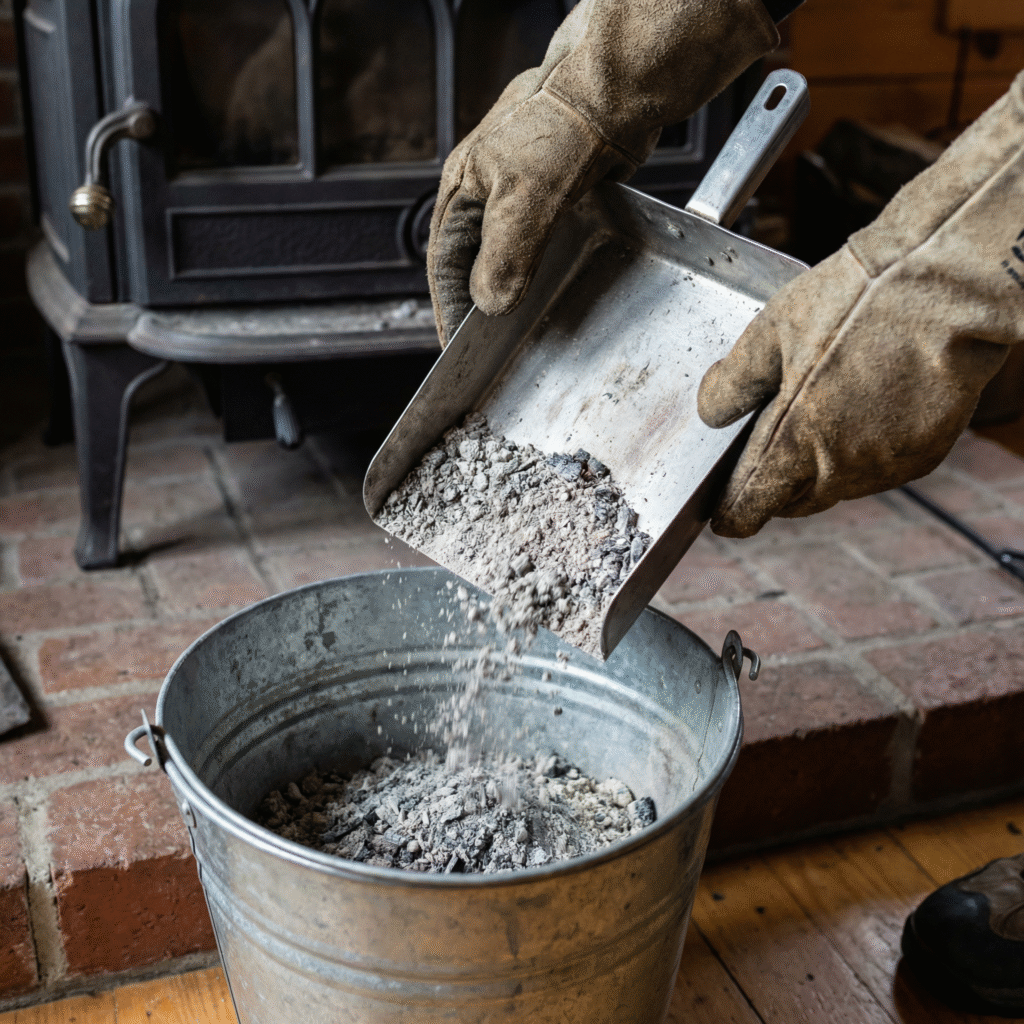
When you’re burning daily during winter, these tasks should be part of your routine. Your daily wood burning stove maintenance checklist keeps the stove running efficiently and catches problems early.
Check and Empty the Ash Pan
Every morning before starting a new fire, check your ash level. I use a small metal scoop and dump ash into a metal ash bucket with a tight-fitting lid. Never use plastic, ash can stay hot for days.
Leave about an inch of ash on the bottom of the firebox for insulation, but remove everything else. Excessive ash blocks air intake holes and reduces combustion efficiency. One client complained their stove wouldn’t stay lit, turned out they hadn’t emptied ash in three weeks and had completely blocked the primary air intake.
Visual Inspection of the Fire
Watch how your fire burns. A healthy fire should be lively with visible flames and minimal smoke once established. If you’re seeing lots of white or gray smoke, check your wood moisture content. According to the Chimney Safety Institute of America, wood should be below 20% moisture for clean burning.
Dark, lazy smoke often means poor airflow or wet wood. This is when creosote forms fastest. Your wood burning stove maintenance checklist should include using a moisture meter on your firewood.
Check Door Seal and Gasket
Do the dollar bill test weekly during heavy use. Close a dollar bill in the door and try to pull it out. If it slides out easily, your gasket needs replacement. A proper seal should hold the bill firmly. This simple check is a critical part of any wood burning stove maintenance checklist.


Weekly Wood Burning Stove Maintenance Checklist Tasks
These weekly tasks take 15-20 minutes but make a huge difference in performance and safety.
Clean the Glass Door
Soot-covered glass isn’t just ugly, it’s a sign of incomplete combustion. I clean my glass every week during burning season using ash and newspaper, a method that works better than any commercial cleaner.
Dip crumpled newspaper in fine wood ash, scrub the glass in circular motions, then wipe clean with a damp cloth. If you’re seeing glass blackening daily, you’re either burning wet wood or not providing enough air for complete combustion.
Inspect Firebricks and Baffles
Look inside your firebox with a flashlight. Firebricks can crack or crumble over time, especially in high-heat areas. Small cracks aren’t always a crisis, but if you can see through to the stove’s metal shell, replacement is urgent.
The baffle plate should sit securely and show no signs of warping. On my own stove, I once ignored a slightly sagging baffle for a full season. Big mistake, it eventually warped enough to reduce efficiency by about 20%.
Clean Stove Exterior
Wipe down the stove exterior with a dry cloth when completely cool. For stubborn stains on a cool stove, use a slightly damp cloth, but never when hot. Check for rust spots, especially around door hinges and handles.
Apply stove polish if needed, following manufacturer instructions. A little maintenance here prevents expensive refinishing later.
Monthly Wood Burning Stove Maintenance Checklist Tasks
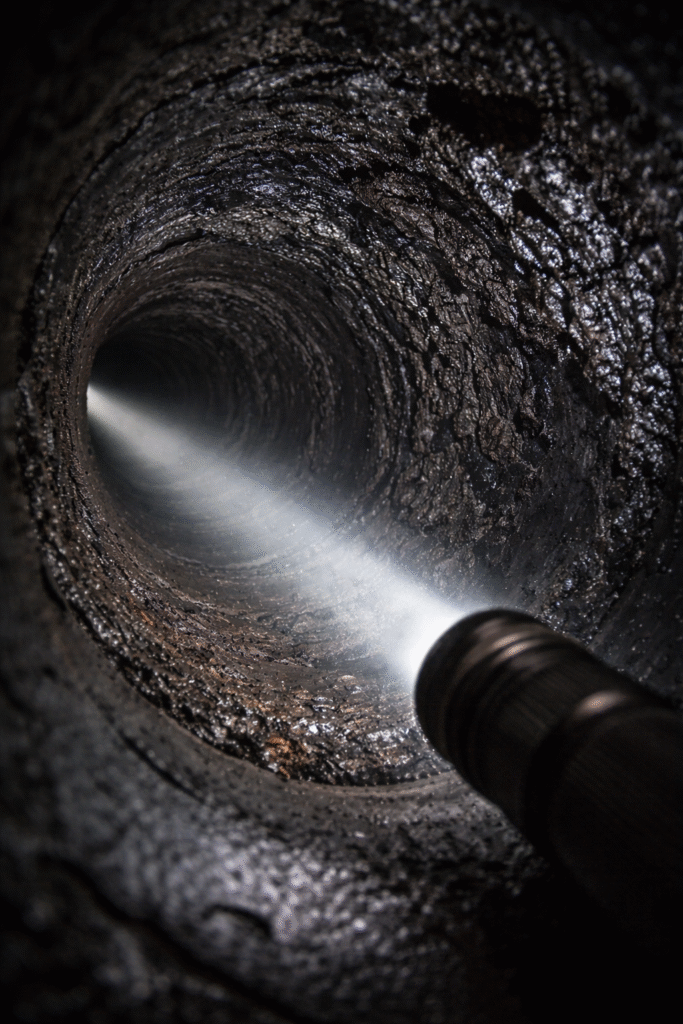
Once a month during burning season, your wood burning stove maintenance checklist expands to include these deeper inspections.
Inspect Chimney for Creosote Buildup
This is critical. Climb up and look down your chimney with a bright flashlight, or use a mirror to look up from below. You’re checking for three types of creosote:
Stage 1 appears as flaky soot, easy to brush off. Stage 2 looks like hardened tar or crusty flakes. Stage 3 is shiny, hard, and extremely dangerous, it’s basically solid fuel that can ignite at temperatures as low as 450°F.
If you see 1/8 inch or more of any type of creosote, it’s time to clean. Heavy users burning daily should check every 4-6 weeks. Your wood burning stove maintenance checklist must include this inspection.
Check and Tighten Hardware
Go around your stove and check every nut, bolt, and screw. Thermal cycling (heating and cooling) can loosen hardware over time. I carry a small wrench kit specifically for stove maintenance.
Pay special attention to door hinges, handles, and any bolts securing the baffle or air intake mechanisms. Loose hardware can cause air leaks that ruin combustion efficiency.
Test Air Controls and Damper
Your primary and secondary air controls should move smoothly through their full range. If they’re sticking, a little high-temperature graphite lubricant works wonders. Never use regular oil or WD-40, they’ll burn and smoke.
The damper should also move freely. A stuck damper in the wrong position can cause dangerous draft issues or inefficient burning.
Inspect Door Gaskets Closely
Beyond the dollar bill test, do a visual inspection. Look for compressed, cracked, or missing sections of gasket material. The gasket should be firm and evenly compressed all around the door.
If replacement is needed, it’s a straightforward DIY job. Scrape out the old gasket, clean the channel thoroughly, apply high-temperature gasket cement, and press in new gasket rope of the proper diameter.
Seasonal Wood Burning Stove Maintenance Checklist: Pre-Season Tasks
Before you light your first fire each fall, this comprehensive wood burning stove maintenance checklist prepares your system for months of reliable service.
Professional Chimney Sweep and Inspection
I can’t stress this enough: hire a certified chimney sweep annually. The CSIA website helps you find qualified professionals. A good sweep doesn’t just clean, they inspect for structural issues, cracks, missing mortar, animal nests, and other problems that could cause fires or carbon monoxide intrusion.
During one pre-season inspection, my sweep found a cracked tile liner that I’d completely missed. Repairing it before burning season probably saved my house. This is the cornerstone of any wood burning stove maintenance checklist.
Deep Clean the Firebox
With the stove cold and all ash removed, vacuum every surface inside the firebox. Get into corners, around air intakes, and under the baffle if accessible. Use a shop vac, not your household vacuum, this stuff is nasty.
Check firebricks again and replace any that are damaged. This is also the time to inspect secondary burn tubes in EPA-certified stoves. Tubes can develop holes or become clogged with ash.
Replace Worn Gaskets and Seals
Even if your door gasket passed the dollar bill test, consider replacing it annually if you’re a heavy burner. Gaskets are cheap insurance. While you’re at it, check the ash pan gasket and any other seals.
I replace door gaskets every 2-3 seasons depending on use, but some folks burning 24/7 need annual replacement. Your wood burning stove maintenance checklist should track when gaskets were last replaced.
Clean and Inspect the Chimney Cap
Remove the chimney cap and scrub it thoroughly. Check the screen for holes or rust. A damaged cap can let in rain, animals, or debris, all of which can block your flue.
I once removed a chimney cap that had a complete bird’s nest inside, built during summer when the stove wasn’t used. That nest would have caused a dangerous backdraft if not caught.
Test Carbon Monoxide and Smoke Detectors
Replace batteries in all detectors and test them. The EPA recommends installing CO detectors on every level of your home and near sleeping areas.
I’ve responded to service calls where working detectors literally saved lives. Don’t skip this step in your wood burning stove maintenance checklist.

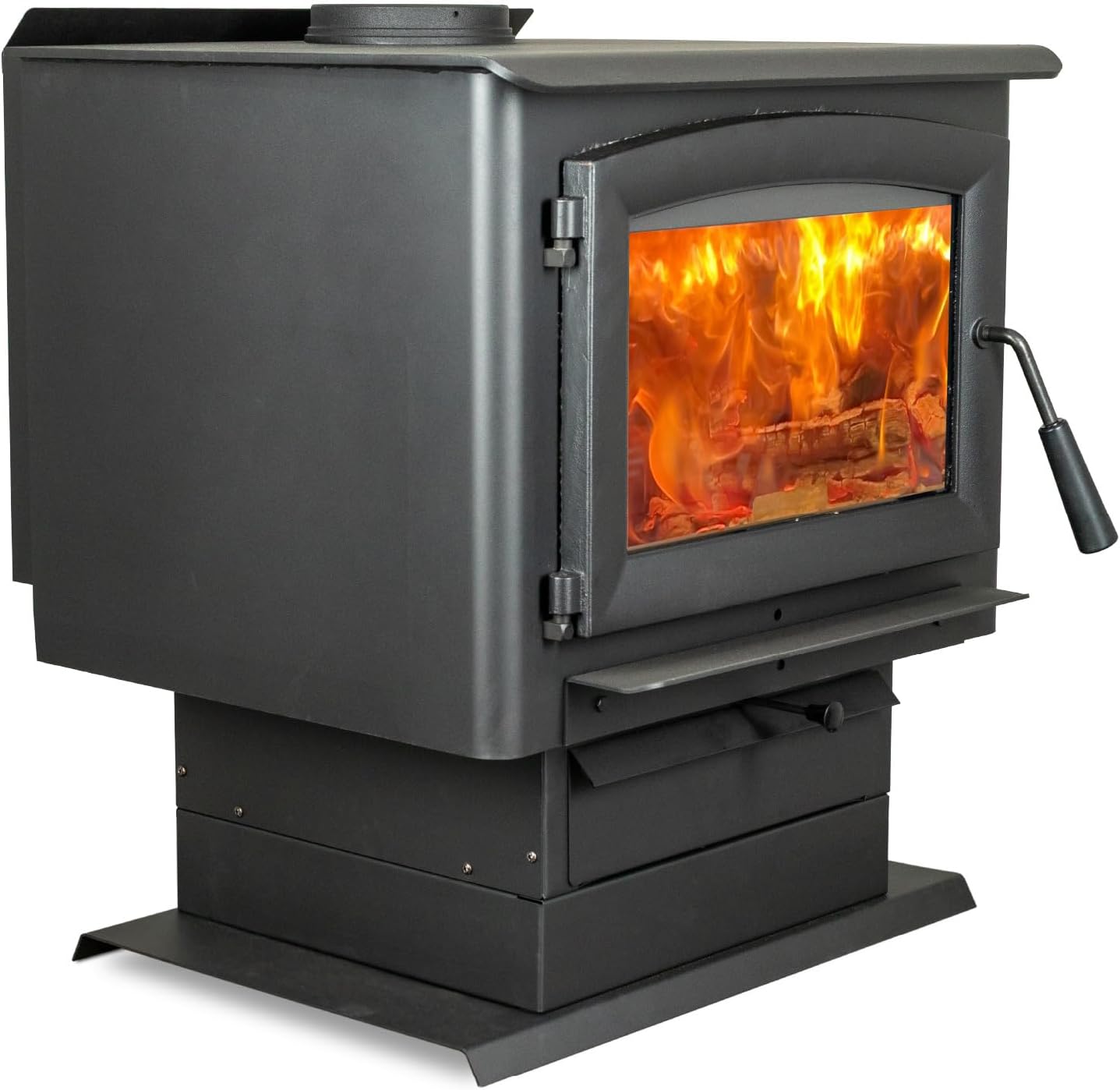

Seasonal Wood Burning Stove Maintenance Checklist: Post-Season Tasks
When spring arrives and you’re done burning for the year, these tasks prepare your stove for months of inactivity.
Final Chimney Cleaning
Even if you had the chimney cleaned in fall, do it again in spring. Creosote is acidic and corrosive, leaving it all summer can damage your flue liner. Your end-of-season wood burning stove maintenance checklist must include this final cleaning.
Some sweeps offer discounted spring cleaning since it’s their slow season. Take advantage of that.
Remove All Ash and Debris
Strip the firebox completely. Get every spec of ash out. Moisture in ash becomes lye, which is incredibly corrosive to metal. I’ve seen ash pans rusted through because owners left ash sitting all summer.
Inspect for Damage
With everything cleaned out, do a thorough inspection. Look for:
- Cracks in firebricks or welds
- Rust on interior surfaces
- Warped baffles or burn tubes
- Damaged paint or finish
- Loose or damaged door hinges
Address any issues now rather than discovering them when you want to start burning in October. This inspection is a key part of your post-season wood burning stove maintenance checklist.
Protect Against Moisture and Pests
Leave the door slightly ajar to prevent moisture buildup and musty odors. Some people place a moisture absorber inside the firebox.
Close the damper to keep out animals, but consider placing steel wool or chimney caps with fine mesh to block small creatures. Raccoons, squirrels, and birds love to nest in warm chimneys during summer.
Service or Replace Stove Components
Spring is the perfect time to order replacement parts. If you noticed that baffle starting to sag or those firebricks cracking, order replacements now while you’re not in a rush.
Troubleshooting Common Problems Using Your Wood Burning Stove Maintenance Checklist
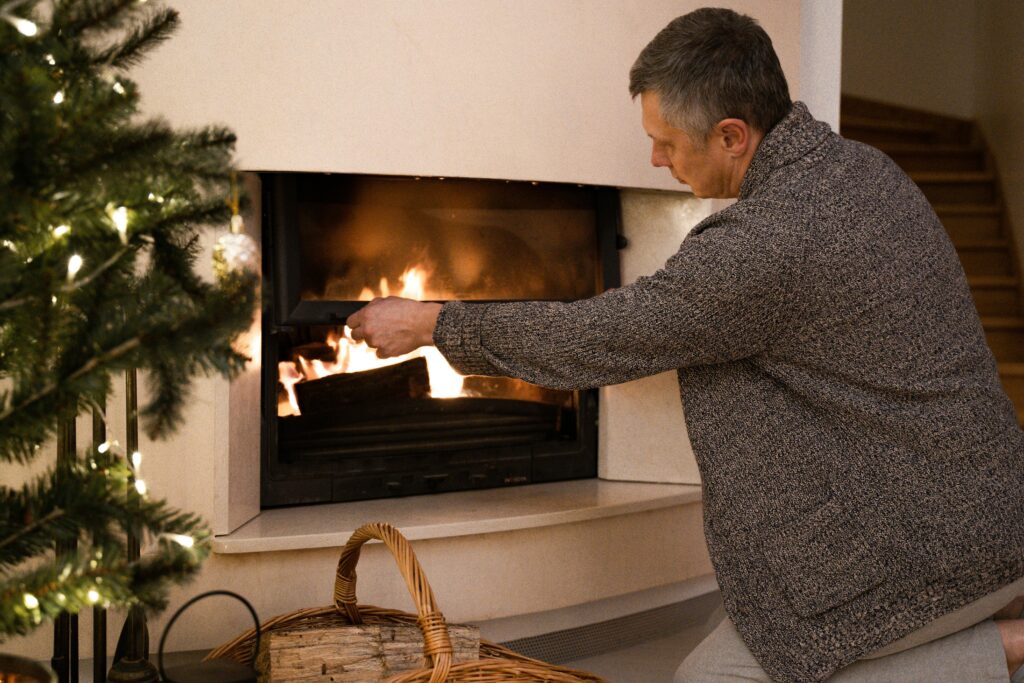
Here’s how your wood burning stove maintenance checklist helps solve the most common issues I encounter.
Poor Draft and Smoke Entering Room
This usually means creosote buildup, a blocked chimney cap, or inadequate chimney height. Check your maintenance records, when was the last cleaning? If you’ve been following your wood burning stove maintenance checklist and still have draft issues, you might need a chimney extension or draft-inducing cap.
Cold chimneys draft poorly. Warm the flue with newspaper before starting your main fire. Also check for negative pressure in your home, exhaust fans or a too-tight house can steal draft.
Excessive Creosote Buildup
If you’re cleaning creosote monthly and still building up quickly, something’s wrong. The culprits are usually wet wood (over 20% moisture), burning too low and slow, or using the wrong wood species.
Burning pine or other softwoods creates more creosote than hardwoods. Your wood burning stove maintenance checklist should include tracking what you burn and how quickly creosote forms. Switch to seasoned oak or ash and burn hotter fires.
Glass Constantly Dirty
Beyond weekly cleaning, ask why the glass dirties so fast. It’s often a sign of incomplete combustion from wet wood or insufficient air. Some stoves have an air wash system that keeps glass clean, if yours has this and glass still dirties quickly, check that the air intake isn’t blocked.
Your wood burning stove maintenance checklist cleaning routine might be fine, but the root problem needs solving. Burn hotter, use drier wood, and ensure proper airflow.
Door Won’t Seal Properly
If your gasket is new but the door won’t seal, check for warped doors or damaged door frames. Thermal stress can warp doors over years of use. Sometimes hinges wear and need adjustment or replacement.
Wood Burning Stove Maintenance Checklist Safety Considerations
Safety is woven throughout every wood burning stove maintenance checklist, but these points deserve special emphasis.
Working With Ash Safely
Hot coals can hide in ash for days. I use only metal containers with metal lids, stored on concrete or stone, well away from any combustible materials. One homeowner I knew dumped ash in a cardboard box “just for a minute” and burned down their garage.
Your wood burning stove maintenance checklist should specify: only metal ash containers, 24-48 hour cooling period, and disposal away from structures.
Chimney Cleaning Safety
If you’re doing your own chimney cleaning, use proper fall protection on the roof. A safety harness isn’t overkill, it’s common sense. I’ve known two people who fell from roofs during chimney work.
Inside the house, seal off the stove area with plastic sheeting. Soot gets everywhere. Wear a respirator rated for fine particles, not just a dust mask. Your wood burning stove maintenance checklist should include proper protective equipment.
Carbon Monoxide Awareness
CO is odorless and deadly. Besides working detectors, know the symptoms: headaches, dizziness, nausea, confusion. If multiple people feel sick at the same time, get outside immediately and call 911.
Never run your stove with a cracked door gasket or damaged flue. These allow CO to enter your home. This is why gasket inspection is critical in every wood burning stove maintenance checklist.
Creating Your Personalized Wood Burning Stove Maintenance Checklist
Not every stove needs identical care. Your usage pattern, stove type, fuel choice, and local climate all affect what your wood burning stove maintenance checklist should include.
Heavy burners (burning daily, October through April) need:
- Daily ash removal
- Weekly glass cleaning and gasket checks
- Every 4-6 weeks chimney inspection
- Monthly hardware check
- Professional sweeping twice per season (fall and mid-winter)
Moderate burners (burning several times weekly, November through March) can often extend to:
- Ash removal 2-3 times weekly
- Biweekly glass cleaning
- Monthly chimney inspection
- Quarterly hardware check
- Annual professional sweeping
Light burners (occasional use, mostly weekends) still need:
- Ash removal after each use
- Monthly glass cleaning when in use
- Quarterly chimney inspection
- Annual professional sweeping
- Full pre and post-season inspection
Track everything. I use a simple notebook by my stove where I log ash removal, glass cleaning, and any issues noticed. When the sweep comes, I can show exactly what’s been done. Your wood burning stove maintenance checklist becomes a valuable record.
Essential Tools for Your Wood Burning Stove Maintenance Checklist
Having the right tools makes maintenance easier and more effective. Here’s what belongs in every wood stove owner’s maintenance kit:
- Metal ash scoop and bucket with tight-fitting lid (essential for safe ash removal)
- Moisture meter for checking firewood (should read below 20%)
- Bright flashlight or headlamp for inspections
- Shop vacuum with HEPA filter (never regular household vacuum)
- Gasket rope and high-temp cement for repairs
- Chimney brush sized for your flue diameter
- Wrench set for tightening hardware
- High-temp graphite lubricant for moving parts
- Respirator and safety glasses for cleaning work


You can find most of these as part of comprehensive wood stove accessory sets. Investing in quality tools makes following your wood burning stove maintenance checklist much simpler.
Wood Burning Stove Maintenance Checklist Record-Keeping

I can’t tell you how many times homeowners have called me with questions like “When did we last replace that gasket?” or “Has it really been two years since the chimney was cleaned?” Documentation matters.
Your wood burning stove maintenance checklist should include a log sheet with:
- Date of each maintenance task
- Who performed the work (you or professional)
- Any issues found
- Parts replaced
- Wood type and moisture content being burned
- Creosote levels observed
This record helps you spot patterns. Maybe you notice creosote builds up faster in January (colder temps, damper closed more). Or perhaps that particular batch of oak wasn’t as seasoned as you thought.
When you sell your home, maintenance records prove you’ve properly cared for a major heating system. That adds value. Insurance claims are also easier with documentation showing you followed a proper wood burning stove maintenance checklist.
Cost-Benefit Analysis of Following Your Wood Burning Stove Maintenance Checklist
Let’s talk money because proper maintenance isn’t free, but neglect costs way more. Annual maintenance costs typically run:
- Professional chimney sweep: $150-$300
- Replacement gaskets: $30-$60
- New firebricks if needed: $100-$200
- Chimney cap: $50-$150
- Tools and supplies: $100-$200 initial investment
Total annual cost for a well-maintained wood burning stove maintenance checklist: roughly $200-$500 depending on what needs replacing.
Compare that to:
- Chimney fire damage: $5,000-$50,000+
- New stove if yours fails prematurely: $1,500-$4,000
- Professional installation costs: $1,500-$6,000
- Lost efficiency wasting wood: $300-$800 per season
- Insurance premium increases or dropped coverage: Varies widely
I once met a homeowner who skipped maintenance for four years to “save money.” They ended up replacing a $3,500 stove because the firebox cracked from accumulated damage. False economy.
Your wood burning stove maintenance checklist is an investment that pays dividends in safety, efficiency, longevity, and peace of mind.
Regional Considerations for Your Wood Burning Stove Maintenance Checklist
Where you live affects what your wood burning stove maintenance checklist should emphasize.
- Cold northern climates with long burning seasons mean more frequent chimney cleaning, probably twice per season. Extended shoulder-season burning often leads to more creosote from lower-temperature fires.
- Moderate climates with shorter seasons might need only annual professional cleaning, but post-season care becomes more critical since the stove sits idle longer.
- Humid climates require extra attention to rust prevention. Moisture control inside the firebox during off-season is essential. Consider additional rust-preventive measures in your wood burning stove maintenance checklist.
- High-altitude areas face draft challenges that require different chimney configurations and more attention to air intake settings. Your wood burning stove maintenance checklist might need to include seasonal damper adjustments.
Integrating Modern Technology Into Your Wood Burning Stove Maintenance Checklist
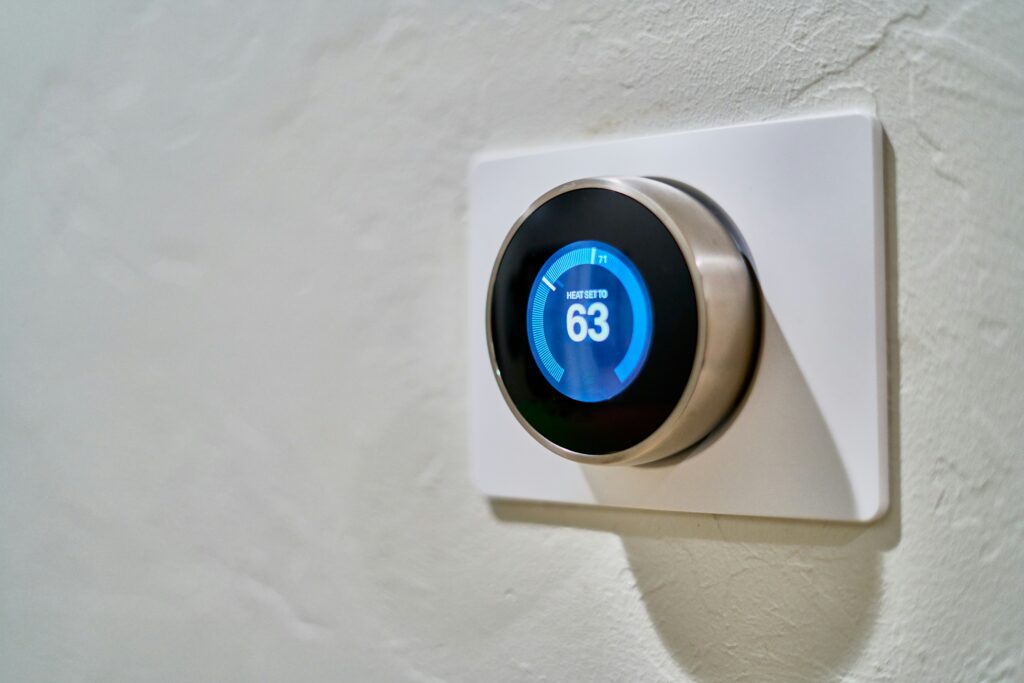
Technology can make following your wood burning stove maintenance checklist easier. Here are tools worth considering:
- Smart thermometers with Bluetooth connectivity track firebox temperature over time and alert you to dangerous overheating. Some models log data that helps you optimize burn patterns.
- Chimney cameras let you inspect your flue without climbing on the roof. These connect to smartphones and show real-time video of creosote buildup and chimney condition.
- Digital moisture meters provide exact readings on firewood, taking guesswork out of determining if wood is properly seasoned.
- Maintenance apps let you track your wood burning stove maintenance checklist tasks, set reminders, and keep digital records with photos.
While I’m old-school in many ways, these tools genuinely help, especially for first-time wood stove owners still learning the ropes.
Wood Burning Stove Maintenance Checklist Myths Debunked
Let me address some common misconceptions I hear repeatedly:
- Myth: “Creosote buildup is normal and not dangerous until it’s thick.” Reality: Any creosote is potential fuel for a chimney fire. Your wood burning stove maintenance checklist should aim for minimal buildup, not just “not too thick.”
- Myth: “Burning really hot fires occasionally cleans out creosote.” Reality: This can actually trigger chimney fires. Controlled high-temperature burning reduces creosote formation, but never cleans existing heavy buildup. Mechanical cleaning is the only safe method.
- Myth: “If smoke isn’t coming into the house, the chimney doesn’t need cleaning.” Reality: Dangerous creosote buildup occurs long before you see smoke backdrafting. Regular inspection is essential regardless of visible symptoms.
- Myth: “Modern EPA stoves don’t need as much maintenance.” Reality: While cleaner-burning, EPA stoves have more components (catalysts, secondary burn tubes) requiring specific care. Your wood burning stove maintenance checklist might actually be longer.
Conclusion: Your Path to Safe, Efficient Wood Stove Operation
Creating and following a comprehensive wood burning stove maintenance checklist isn’t complicated, but it requires commitment. The tasks themselves are straightforward: remove ash, clean glass, inspect seals, check for creosote, and hire annual professional help.
What separates successful wood stove owners from those who face expensive repairs or dangerous situations is consistency. Do the daily tasks daily, the monthly tasks monthly, and the seasonal tasks on schedule. Keep records. Pay attention to what your stove is telling you through its performance.
After nearly two decades in this business, I’ve seen wood stoves that are 40+ years old and still burning beautifully because their owners followed a solid wood burning stove maintenance checklist. I’ve also seen five-year-old stoves destroyed by neglect.
Your wood burning stove is a significant investment in your home’s comfort and an important heating system. Treat it with the care it deserves. Start with the wood burning stove maintenance checklist outlined here, adapt it to your specific needs, and stick with it.
FAQs: Wood Burning Stove Maintenance
How often should I clean my chimney according to a proper wood burning stove maintenance checklist?
For heavy users burning daily throughout winter, professional chimney cleaning should occur twice per season, typically in early fall before burning begins and mid-winter around January. Moderate users burning several times weekly need annual professional cleaning, preferably before the burning season starts. Your wood burning stove maintenance checklist should also include monthly visual inspections for creosote buildup regardless of usage level, with additional cleaning if you observe 1/8 inch or more accumulation.
What are the most critical monthly tasks in a wood burning stove maintenance checklist?
The four critical monthly tasks include inspecting your chimney for creosote buildup using a flashlight to check for dangerous Stage 2 or Stage 3 creosote, testing and tightening all hardware including door hinges and baffle bolts, verifying air controls and dampers move smoothly through their full range, and performing detailed gasket inspections beyond simple dollar bill tests. These monthly wood burning stove maintenance checklist tasks prevent most serious problems before they become expensive repairs or safety hazards.
Can I create a basic wood burning stove maintenance checklist for beginners?
Absolutely, a beginner’s wood burning stove maintenance checklist should start with essential daily tasks like emptying the ash pan while leaving one inch for insulation, weekly tasks including cleaning glass doors and checking door seals with the dollar bill test, monthly chimney inspections for creosote, and scheduling annual professional chimney sweeping before burning season. As you gain experience, you can expand your wood burning stove maintenance checklist to include component inspections, hardware maintenance, and seasonal deep-cleaning procedures.
What safety equipment belongs on every wood burning stove maintenance checklist?
Essential safety items for your wood burning stove maintenance checklist include working carbon monoxide detectors on every floor and near bedrooms with fresh batteries tested monthly, smoke detectors properly positioned, a 2A:10B:C rated fire extinguisher within easy reach but not so close it could be cut off by flames, heat-resistant gloves rated for at least 600°F, metal ash containers with tight-fitting lids, safety glasses for cleaning and inspection work, and a properly fitted respirator for chimney cleaning tasks that expose you to fine creosote particles.
How does a wood burning stove maintenance checklist differ for EPA-certified stoves?
EPA-certified stoves require additional wood burning stove maintenance checklist items beyond standard stoves, including monthly inspection and cleaning of catalytic combustors if your model includes one, checking secondary burn tubes for blockages or damage since these are critical for clean burning, verifying air wash systems function properly to keep glass clean, and ensuring primary and secondary air intakes operate correctly as these stoves rely on precise air control. EPA stoves burn cleaner but have more sophisticated components that your wood burning stove maintenance checklist must address for optimal performance.
When should I replace components according to my wood burning stove maintenance checklist?
Your wood burning stove maintenance checklist should trigger immediate replacement when firebricks crack deeply enough to expose metal, door gaskets fail the dollar bill test or show visible damage, baffles warp more than 1/4 inch or develop holes, glass cracks or becomes permanently etched, catalytic combustors show honeycomb damage or fail to light off below 500°F, chimney liners crack or separate, and any structural welds crack. Beyond emergency replacement, plan regular preventive replacement including door gaskets every 2-3 burning seasons for heavy users, firebricks every 5-7 years, catalytic combustors every 5-7 years with proper care, and chimney caps every 10-15 years depending on material and exposure.
