

You just opened your January heating bill and nearly choked on your coffee. $247? That’s $67 more than last January and it’s only going to get worse.
If you’re like most homeowners right now, you’re scrambling for answers. Heating costs jumped 7.6% this winter, pushing the average seasonal bill from $907 to $976 reported on MoneyGeek, and that’s just the average. Depending on where you live and how you heat, you might be facing increases of 10% or more.
Here’s the thing everyone’s asking: can a wood stove save you money in 2026? Not just theoretically will a wood stove save you money based on real 2026 energy prices?
I’m going to walk you through the actual numbers, not marketing hype. We’ll compare what you’re spending now versus what a wood stove would cost, factor in the upfront investment, and figure out if this makes sense for your situation. By the end, you’ll know exactly whether switching to wood heat is a smart financial move or just wishful thinking.
Why Heating Bills Are Crushing Budgets in 2026
Let’s talk about what’s happening with energy costs right now, because understanding these increases is crucial to determining whether a wood stove save you money in your specific situation.
Electricity-heated homes face the largest increase at 10%, while natural gas costs vary by region. If you live in the Midwest, you’re looking at an extra $3 to $8 per month on natural gas. Southern households are seeing monthly electric bills climb from $142 to $156 that’s almost $15 more each month.
What’s driving these increases? According to the U.S. Energy Information Administration, it’s a perfect storm of factors. Wholesale gas prices are 16% higher on average in 2026 than in 2025, as production has stayed flat while the U.S. exports more gas to meet higher demand abroad according to IndexBox. Electricity isn’t any better residential retail electricity prices are likely to rise 4.2%, with higher growth in regions like Texas due to increased demand from data centers and cryptocurrency mining.
Here’s what really gets me: one in six U.S. households are behind on energy bills, owing roughly $23 billion in utility bills reported on The Mirror. That’s not just statistics, that’s real people choosing between heating their homes and buying groceries.
And it’s not getting better anytime soon. Energy experts expect these trends to continue through 2026 and beyond. Traditional heating costs aren’t just expensive, they’re becoming unpredictable. That’s exactly why so many homeowners are asking whether a wood stove save you money compared to these volatile traditional fuels
The Real Cost of Heating Your Home Right Now
Before we can figure out if a wood stove save money for you, we need to establish your baseline. What are you actually spending to heat your home today?
Electric Heat: The Most Expensive Option
If you heat with electricity, you’re paying the highest prices in the country. The average U.S. consumer who relies on electricity to heat their residence will see expenditures rise 4% to $1,133 from November through March 2026.
But that’s just the national average. Reality looks different depending on where you live. Northeast homeowners are getting hammered, paying 24 cents or more per kilowatt hour with total winter costs hitting $1,519. Even in the cheaper South, you’re still looking at around $1,031 for the heating season.
Natural Gas: Better But Still Climbing
Natural gas used to be the affordable option. Not anymore. Natural gas costs will surge from $650 to $704, representing an 8.4% rise. That might not sound like much, but it adds up fast over a cold winter.
The National Energy Assistance Directors Association reports that households using natural gas heaters will see costs increase by 12.2% in some regions. Regional differences matter here, Midwest states are seeing the steepest increases. Even with natural gas being more affordable than electric, the question remains: can a wood stove save you money when gas prices keep climbing year after year?
Propane and Heating Oil: Volatile and Regional
These fuels are all over the map. Some areas are seeing slight decreases, but prices can swing wildly based on supply disruptions. If you’re dependent on delivered fuels, you know how nerve-wracking it is to watch those per-gallon prices change week to week.


How Much Does It Cost to Heat with a Wood Stove?
Now let’s get to the numbers you actually care about, the real answer to whether a wood stove save you money starts with understanding actual heating costs.
Firewood Costs: What You’ll Really Pay
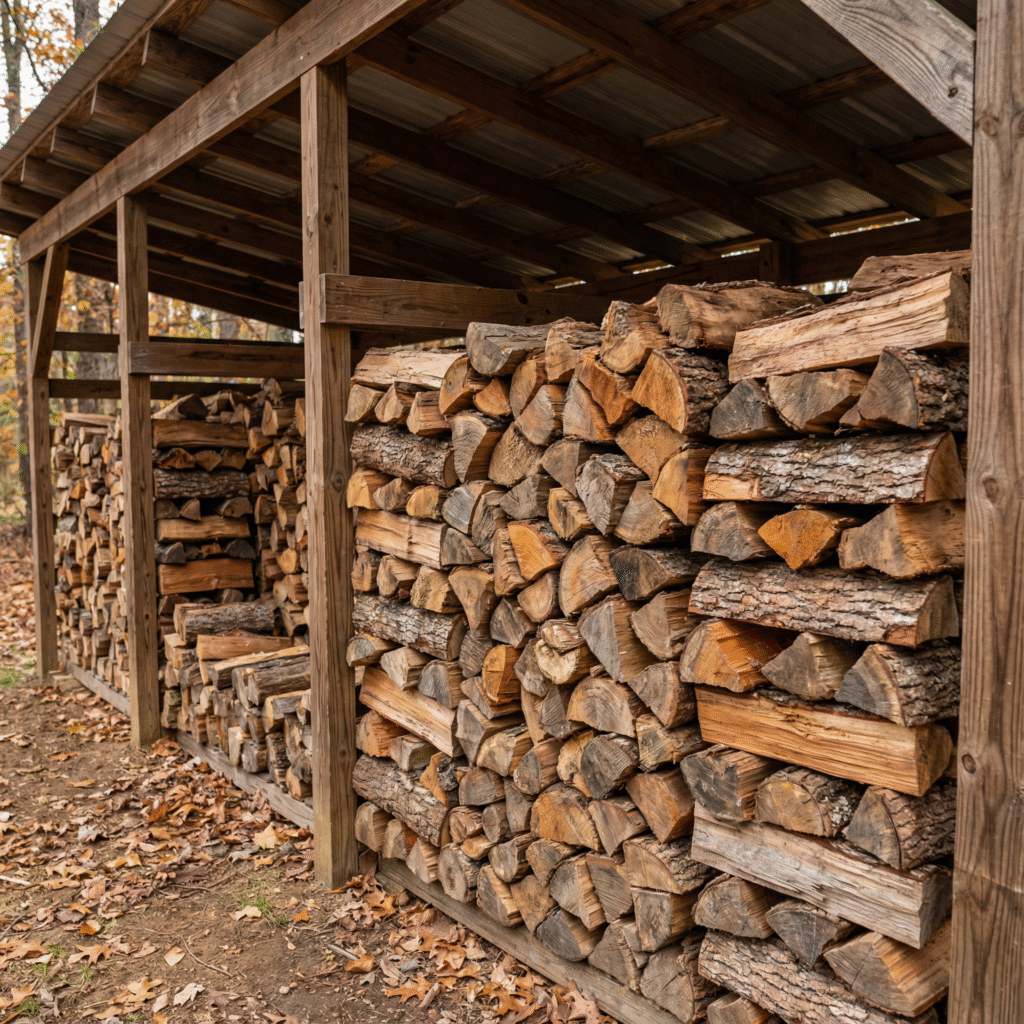
The U.S. Forest Service states that the median price for firewood runs about $200 to $300 per cord. An average home needs 3 to 4 cords per heating season.
Do the math: that’s $600 to $1,200 per year for wood heating. Compare that to the $1,133+ for electric heat or $700+ for natural gas, and you’re already seeing how a wood stove save you money, we’re talking $300-$500+ in annual savings right there.
But here’s where it gets interesting. Those numbers assume you’re buying all your wood. If you have access to free or cheap firewood, maybe you own property with downed trees, or you know someone who does your costs drop dramatically.
According to Penn State Extension, if you cut your own cordwood, your costs might be as low as $50 per cord when you factor in chainsaw fuel and maintenance. That’s game-changing math.
The Efficiency Factor That Changes Everything
Here’s what most people don’t realize when asking if a wood stove save you money: modern wood stoves aren’t your grandfather’s smoky fireplace.
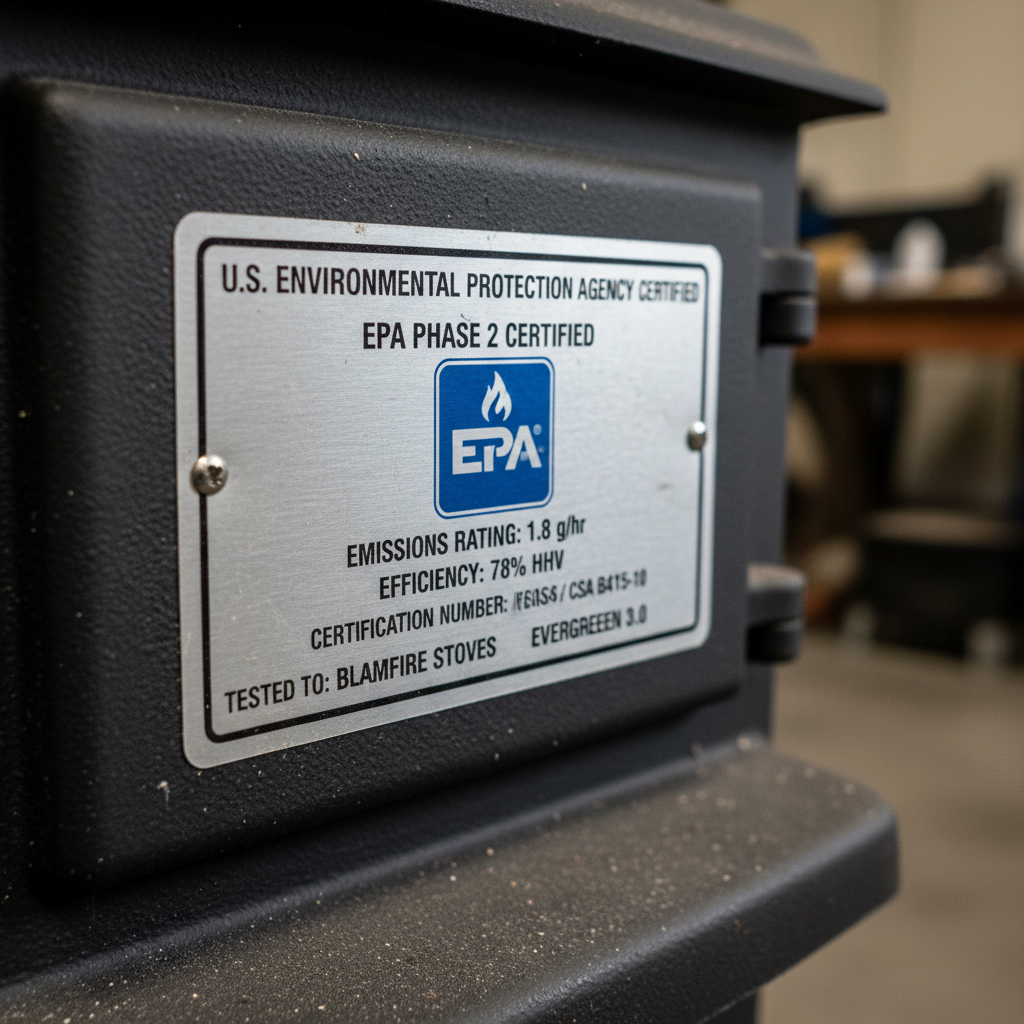
EPA-certified wood stoves operate at 75-90% efficiency. That means 75-90% of the heat generated actually warms your home instead of going up the chimney. Compare that to old fireplaces, which might be 10-15% efficient on a good day.
This efficiency gap matters when we’re calculating whether a wood stove save money. You’re extracting more heat from every log, which means you need less wood overall. A cord of wood in a modern stove delivers vastly more usable heat than the same cord burned in an old fireplace.
Real-World Numbers: The Comparison That Matters
Let’s break down the actual cost per million BTUs that’s the only fair way to compare different heating sources and determine if a wood stove save you money versus your current heating method.
According to research data, here’s how the fuels stack up:
- Natural gas: $10-15 per million BTUs
- Heating oil: $20-25 per million BTUs
- Electricity: $30-40 per million BTUs
- Cordwood: $15-20 per million BTUs
- Wood pellets: Competitive with or slightly above cordwood
When you factor in stove efficiency, wood heating becomes even more attractive. An efficient wood stove burning cordwood at $150 per cord delivered still beats electric heat by a massive margin.
One homeowner on a heating forum summed it up perfectly: “At $0.40/kWh electricity rates, using the wood stove pays for itself in about 2 heating seasons.” That’s the kind of payback period that makes sense.
Initial Investment: What You Need to Buy
Let’s be honest about the elephant in the room wood stoves aren’t cheap upfront.
Stove Costs and Installation
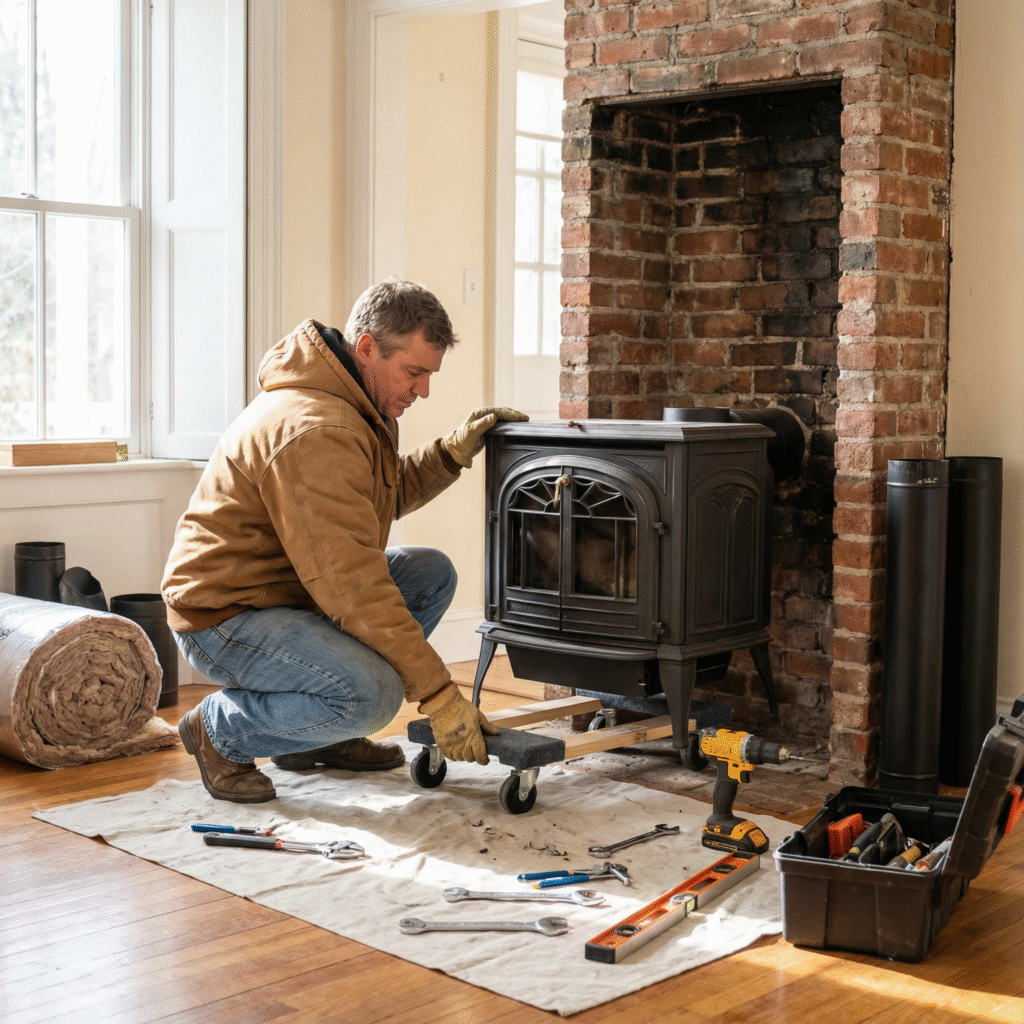
A quality EPA-certified wood stove will run you anywhere from $1,500 to $3,500 for the unit itself. Then there’s installation, which varies wildly depending on your situation.
If you already have a chimney in good condition, you might get away with $1,000 to $2,000 in installation costs. If you need a new chimney or chimney liner, add another $2,000 to $4,000. Some homeowners report total installation costs (stove plus chimney work) reaching $5,000 to $7,000.
That’s a real chunk of change. But here’s the perspective shift: you’re not buying a seasonal item. You’re investing in a heating system that’ll last 20-30 years with proper care. Choosing the right wood stove for your home is critical to getting this return on investment.
The Tools and Accessories You’ll Need
Beyond the stove itself, factor in:
- Chimney brush and cleaning supplies: $50-100
- Ash bucket and shovel: $30-50
- Moisture meter for firewood: $20-40
- Stove gloves and tools: $40-80
- Fire extinguisher (essential): $30-60
- Carbon monoxide detector: $25-50
Total additional costs: roughly $200-400. These are one-time or occasional replacement purchases, not annual expenses.
Annual Maintenance Costs
You’ll need a Professional Chimney Sweep once or twice per year, running $150-300 per visit. That’s non-negotiable for safety creosote buildup is no joke.
Some homeowners who burn clean, dry wood and use their stoves properly can stretch this to once per year. Others in heavy-use scenarios do it twice. Budget $200-500 annually for chimney maintenance to be safe.
Calculating Your Actual Savings and Payback Period

Time for the moment of truth. Will a wood stove save you money for your specific situation? Let’s run the actual calculations to see if a wood stove save you money based on your current heating costs.
Running the Numbers for Your Home
Let’s use a real example. Say you’re currently spending $1,200 per year on electric heat. You install a wood stove for $6,000 total (stove, installation, accessories).
You burn 4 cords of wood per year at $200 per cord: $800 in fuel costs. Add $300 for annual chimney cleaning. Your total annual wood heating cost: $1,100.
Annual savings: $1,200 – $1,100 = $100.
Wait, only $100? Here’s where most calculations miss the mark. That $1,200 in electric heat? It’s rising 4-10% annually. Your wood costs? Much more stable. Over five years, that gap widens significantly.
Plus, with a wood stove as a primary heat source, you’re not eliminating your electric bill you’re supplementing or replacing a major portion of it. Many homeowners report reducing electric heating costs by 50-80% while keeping their homes warmer.
Different Scenarios for Different Budgets
Scenario 1: You buy premium kiln-dried wood
- 4 cords at $300/cord = $1,200/year
- Probably breaks even or saves modestly compared to gas
- Saves significantly compared to electric or oil
Scenario 2: You buy local wood and season it yourself
- 4 cords at $150/cord = $600/year
- Substantial savings across all fuel types
- Faster payback period
Scenario 3: You have access to free wood
- Fuel costs: $50-100/year for saw gas and maintenance
- Massive savings potential
- Stove pays for itself in 2-5 years
The Payback Timeline
For most homeowners replacing electric or oil heat, the payback period runs 5-10 years. If you’re in a high-cost electricity area or can source cheap wood, that drops to 3-5 years. So does a wood stove save you money? Yes, but the timeline matters. You’re looking at 3-10 years before you’re truly in the black, depending on your situation.
Replacing natural gas heat? Payback takes longer maybe 10-15 years. But remember, you’re also gaining backup heat during power outages and avoiding volatile energy prices.
Beyond the Dollars: Hidden Benefits of Wood Heat
The financial case matters, but there’s more to the story.
Energy Independence and Power Outages
When the grid goes down, your wood stove keeps running. No electricity required. No gas lines to freeze. During the winter storms that knock out power for days, a wood stove isn’t just convenient, it’s potentially life-saving.
I’ve heard from countless homeowners who went through multi-day outages and said their wood stove was the best investment they ever made. That peace of mind has value that’s hard to quantify.
Stable, Predictable Costs
Energy companies can raise rates whenever they want (within regulatory limits). Your wood supplier? They’re not jacking up prices 10% year over year. Wood costs are remarkably stable.
This predictability lets you budget accurately. You know what next winter’s heating will cost because wood prices don’t swing wildly like oil or propane.
The Comfort Factor
There’s something about radiant heat from a wood stove that forced air just can’t match. It’s deeper warmth, if that makes sense. Homeowners consistently report that 68°F from a wood stove feels warmer than 72°F from forced air.
That means you can actually heat to a lower thermostat setting and stay comfortable. More savings right there.


When a Wood Stove DOESN’T Make Financial Sense
Let’s be real, wood stoves aren’t the answer for everyone.
You Don’t Have Time or Physical Ability
Burning wood is work. Loading the stove, cleaning ashes, stacking wood, maintaining the chimney, it all takes time and physical capability. If you’re elderly, have mobility issues, or simply don’t have the time, the money you “save” might not be worth the effort.
One forum user said it best: “For the time and effort I put into it, it’s certainly not worth the cost compared to my natural gas.” That’s valid. Your time has value.
You Live in a Small Space or Apartment
Wood stoves need clearances, chimney access, and adequate space. In a small apartment or condo, installation might be impossible or prohibitively expensive. Plus, many rental agreements and HOAs prohibit them entirely.
Natural Gas Is Really Cheap in Your Area
If you’re paying bottom-dollar for natural gas say, $10 per million BTUs or less, wood heating might only match your costs, not beat them. The payback period stretches too long to justify it purely on economics.
That said, you might still want one for backup heat or the comfort factor. Just go in with realistic expectations about savings.
You Can’t Source Wood Affordably
If you’re in an urban area where cord wood costs $350+ and you don’t have storage space or delivery access, the economics fall apart quickly.
Making the Decision: Your Action Plan
So, can a wood stove save you money? For most homeowners, yes but “most” isn’t “all.”
Calculate Your Personal Break-Even Point
Grab your latest heating bills. Total up what you spent last winter. Then price out:
- Wood costs in your area (call local suppliers)
- Installation costs (get 2-3 quotes)
- Maintenance expenses
Run the numbers based on your actual situation, not national averages. If you’ll save $500+ annually, the payback is clear. If you’re saving $100 annually, you need to ask whether the intangibles (backup heat, comfort, stability) justify the investment.
Start Small If You’re Uncertain
You don’t have to go all-in immediately. Some homeowners start with a smaller stove as supplemental heat, using it during the coldest months while keeping their existing system as backup. This lets you test the reality of wood heating before fully committing.
Consider Your Long-Term Plans
Planning to stay in your home for 10+ years? A wood stove makes more sense. Selling in 2-3 years? The payback might not happen for you though it could be a selling point for the next owner.
Also factor in age and health. If you’re in your 70s and not sure you’ll want to haul wood in five years, maybe this isn’t the right move. If you’re younger and physically able, the investment timeline looks better.
The Environmental Angle
Modern EPA-certified stoves burn incredibly clean. When you’re burning dry, seasoned wood from sustainable sources, wood heat can actually be carbon-neutral over the tree’s lifecycle. That matters to some people more than pure dollars.


Can a Wood Stove Save You Money FAQs
How much firewood does a typical home burn per winter?
Most homes burn 3-4 cords per heating season, but this varies wildly. A well-insulated 1,500 sq ft home in a moderate climate might use 2-3 cords. A drafty 2,500 sq ft home in Minnesota could burn 5-6 cords. Track your usage the first year to establish your baseline.
Is it cheaper to heat with wood or natural gas in 2026?
It depends on your local costs for both fuels. In most regions, wood heating runs about the same as or slightly cheaper than natural gas when you buy wood. If you can cut your own wood or source it cheaply, wood wins by a significant margin. Natural gas is convenient, but wood gives you price stability and backup heat.
How long does it take for a wood stove to pay for itself?
If you’re replacing expensive electric or oil heat, expect 3-7 years for full payback. Replacing natural gas takes longer 8-15 years. The exact timeline depends on your installation costs, wood costs, and how much you reduce your conventional heating bill. Free or cheap wood sources dramatically shorten the payback period.
Can I use a wood stove as my only heat source?
Technically yes, but most building codes require a backup heating system. Practically, many homeowners successfully heat their entire homes with just a wood stove if it’s properly sized and centrally located. However, keeping a backup system (even if rarely used) makes sense for times when you’re away or can’t tend the fire.
What’s the biggest mistake people make when calculating wood stove savings?
They forget to factor in their time and labor. If you value your time at $20-30/hour and spend 2-3 hours weekly on wood handling and stove maintenance, that’s $2,000-4,000 in yearly “labor costs.” For some people, this effort is enjoyable or good exercise. For others, it’s a hidden cost that makes the savings disappear. Be honest with yourself about which camp you’re in.
Does a wood stove save you money compared to natural gas in 2026?
It depends on your local natural gas rates and wood costs. If natural gas costs $700/year and wood costs $600-800/year, you’ll break even or save modestly. The real advantage is price stability, gas rates fluctuate while wood costs stay relatively stable. If you can source cheap or free wood, then yes, a wood stove save you money significantly even versus natural gas.
The Bottom Line on Wood Stove Savings
Can a wood stove save you money in 2026? Yes, for many homeowners, the savings are real and substantial.
If you’re currently heating with expensive electricity or oil, the financial case is strong. Annual savings of $400-800 are realistic, especially if you can source wood affordably. You’re looking at payback in 5-8 years, then continued savings for the life of the stove.
If you’re on natural gas, the case is weaker financially but still valid for other reasons. You might break even or save modestly on fuel costs, but you gain energy independence, backup heat, and protection against future price spikes.
Here’s what I’d tell anyone considering this move: don’t make the decision purely on spreadsheets. Factor in your lifestyle, physical ability, time availability, and goals. A wood stove isn’t just a heating appliance, it’s a different way of living that requires commitment.
But if you’re willing to put in the work, if you value energy independence, and if you’re tired of watching your heating bills climb every winter, a quality wood stove could be one of the smartest investments you make.
