
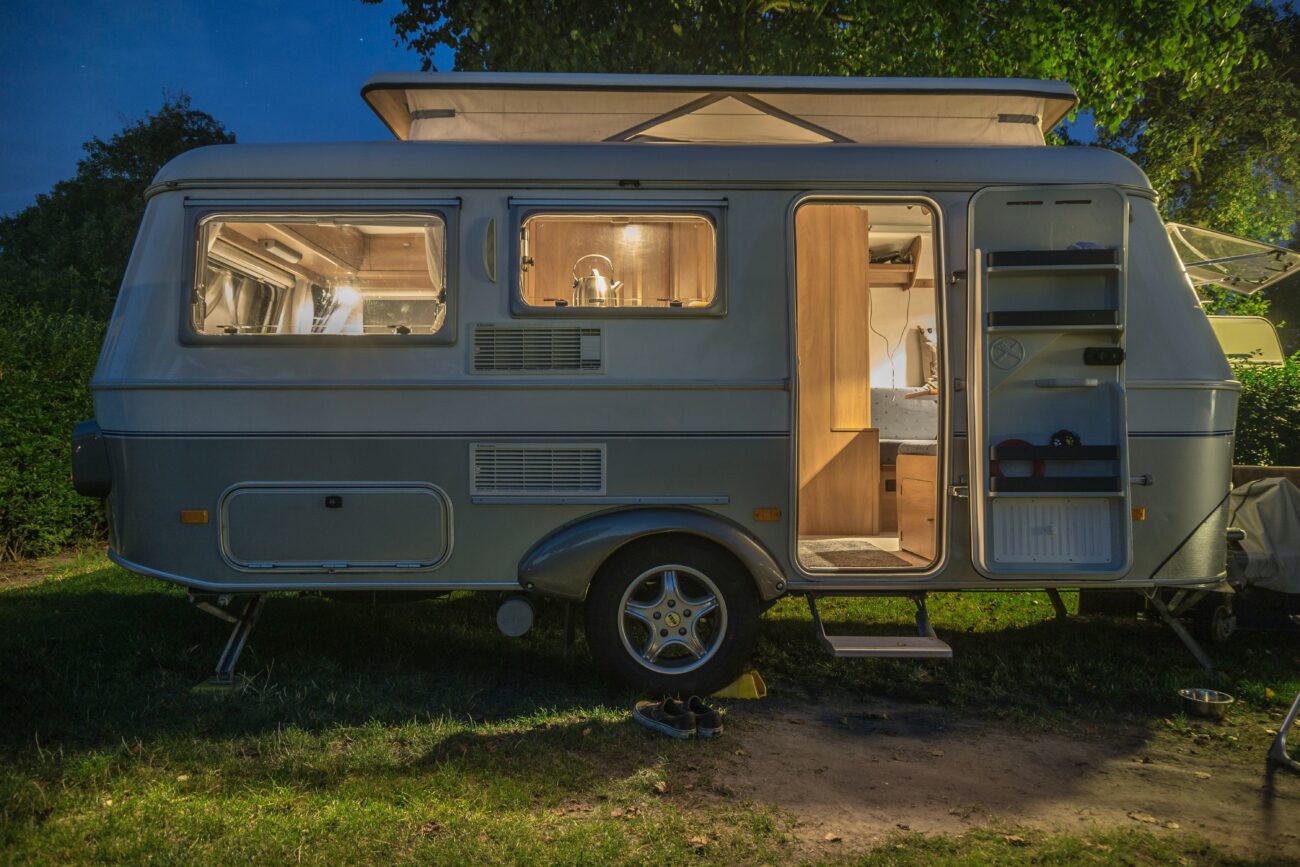
If you’re living in a mobile home, you already know how important it is to keep your space warm during the colder months, without skyrocketing your heating bill. That’s where a wood stove for mobile home comes in. Compact, efficient, and eco-friendly, modern wood stoves are a top choice for heating small living spaces, especially off-grid and mobile dwellings.
In this guide, we’ll break down 7 of the best wood stoves for mobile homes, explain what to look for when buying one, and help you make the smartest investment for your home and wallet. Whether you’re looking for something ultra-compact, EPA-certified, or budget-friendly, this guide has it all.
Why Choose a Wood Stove for Mobile Home?
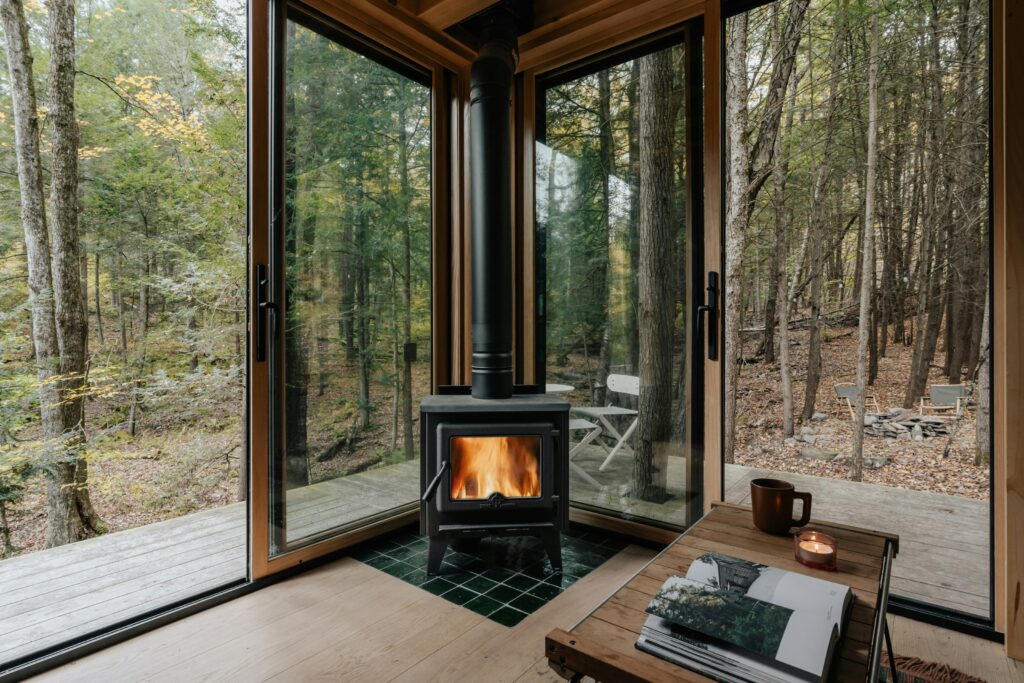
Mobile homes often have unique heating challenges as thin walls, smaller layouts, and less insulation than traditional homes. Installing a wood stove designed specifically for mobile homes can solve many of these issues while adding comfort and efficiency. According to the U.S. Department of Housing and Urban Development (HUD), mobile-home-certified stoves include safety features such as outside air intakes and secure pedestal bases to comply with HUD regulations.
Here’s why a certified stove is worth considering:
✅ Lower Heating Costs
- Wood is often more affordable than electricity, propane, or oil, especially if you have access to local firewood or pellets. Over a winter season, this can result in significant savings.
✅ Sustainable Fuel Source
- Wood logs and pellets are renewable and carbon-neutral when sourced responsibly. Using a wood stove reduces reliance on fossil fuels, making it an eco-friendlier option.
✅ Off-Grid Compatibility
- Unlike electric or gas systems, wood stoves work without power. Perfect for remote locations or during storms and outages, keeping your home warm when other systems fail.
✅ Even Heat Distribution
- Many stoves feature blowers or thermal mass designs that spread warmth evenly throughout your space, preventing cold spots common in mobile homes with forced-air systems.
✅ Long-Lasting Warmth
- A well-maintained stove radiates steady heat for hours after the fire dies down. This residual warmth is particularly valuable during cold nights or short power interruptions.
A properly installed, mobile-home-certified stove not only keeps your home cozy and safe but can also cut energy bills and make winter more enjoyable. With the right stove, your mobile home becomes a warm, inviting haven, even in the coldest months.
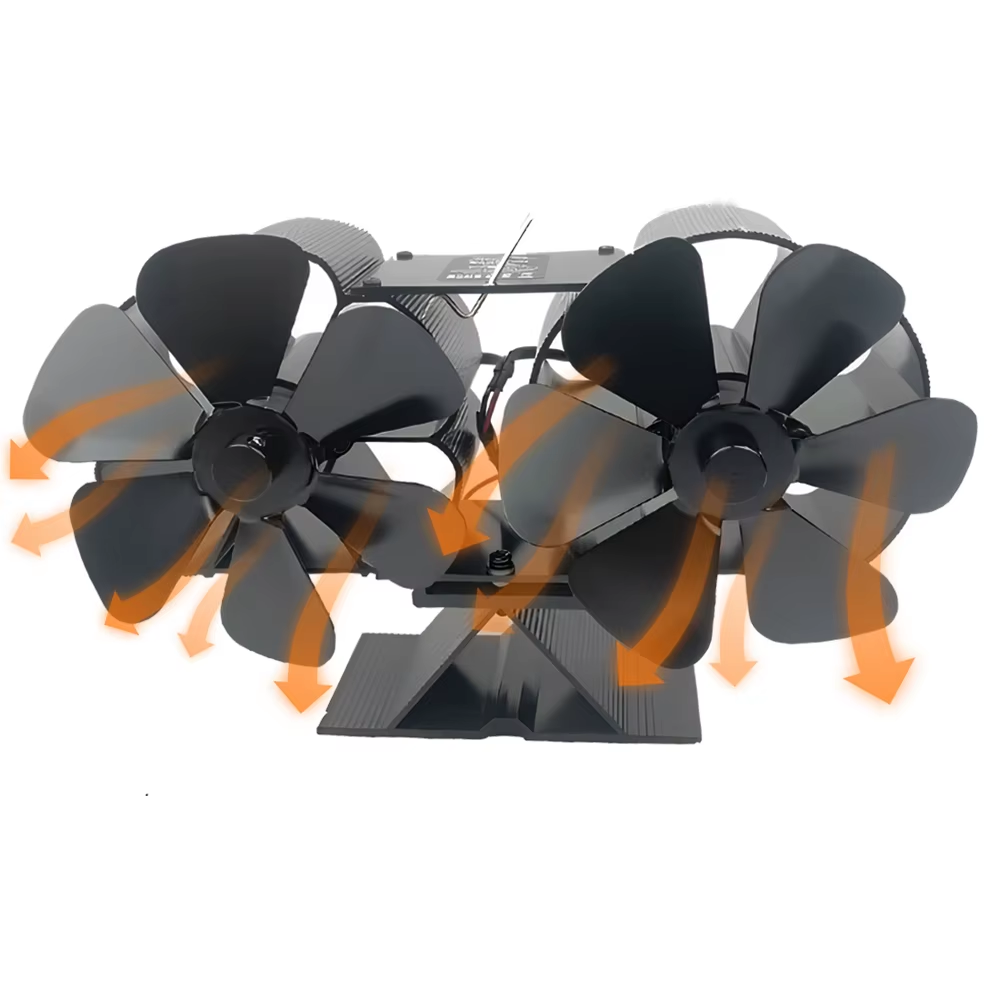
Top 7 Best Wood Stoves for Mobile Homes in 2026
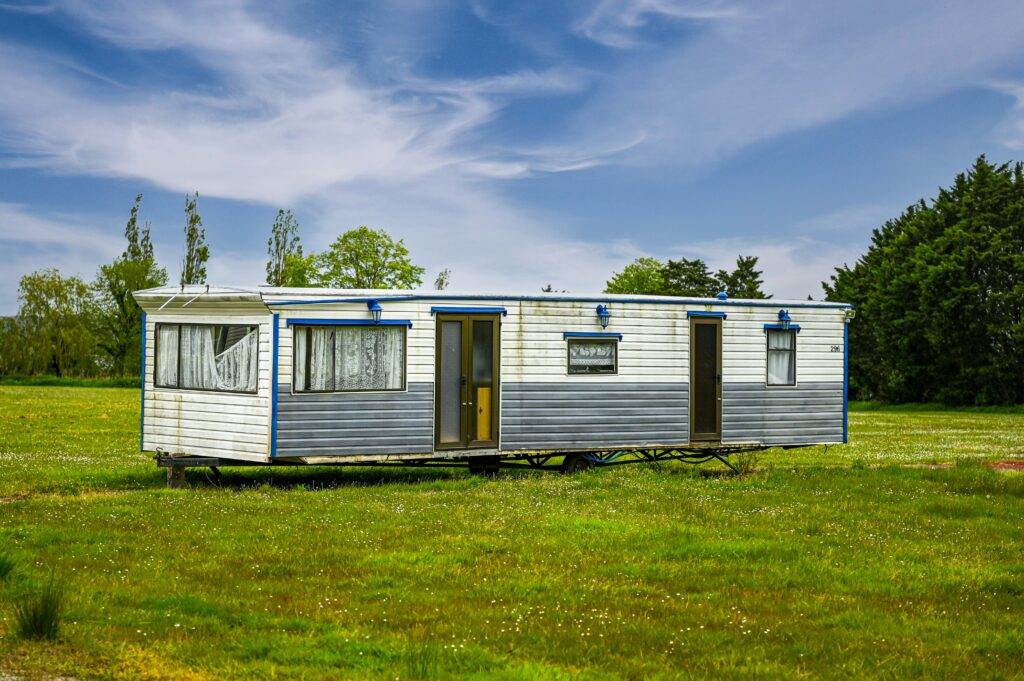
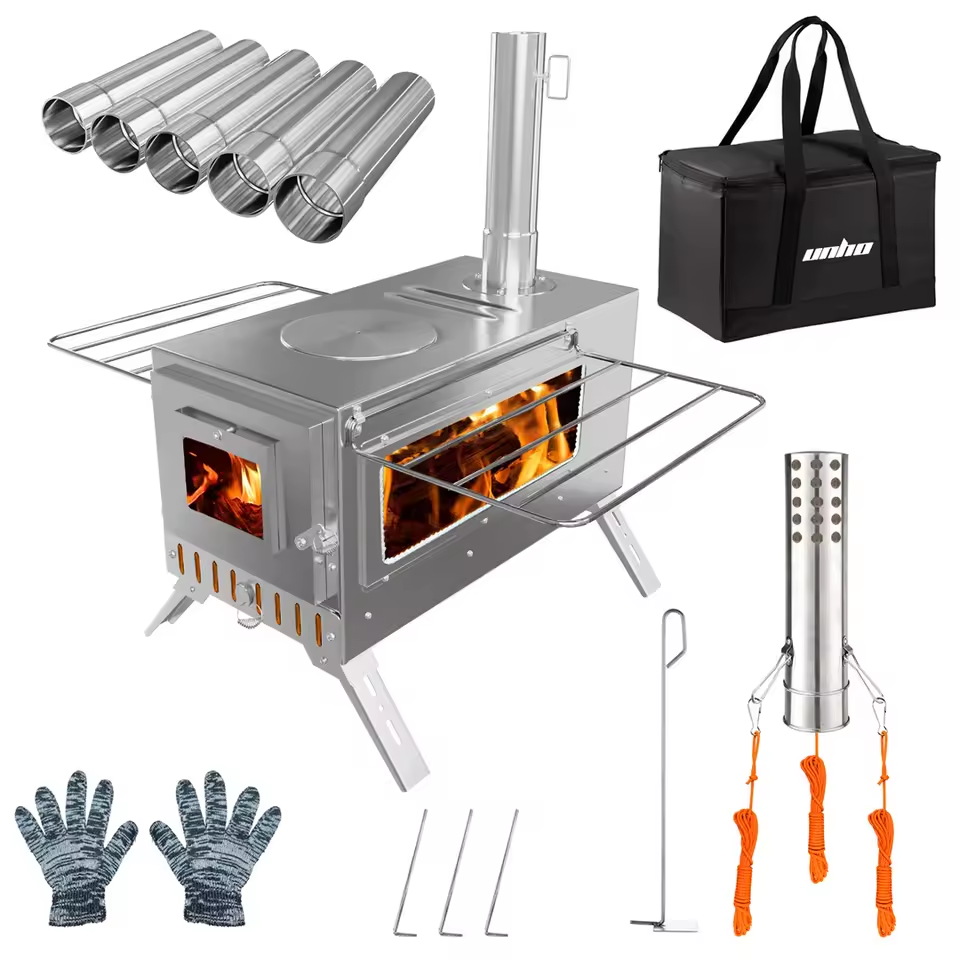
Looking for the right wood stove for mobile home can be tricky with so many options on the market. The table below highlights seven of the best stoves in 2026 that are mobile-home certified, efficient, and built to provide reliable warmth while keeping safety and installation requirements in mind.
| Stove Model | BTU Output (Max / Rated) | Heating Area (sq ft) | MH Certified? (Requirements) | Typical US Price Range (2026) | Key Pros | Notable Cons / Requirements |
|---|---|---|---|---|---|---|
| Drolet HT‑3000 | Up to 110,000 BTU/h | 1,000–2,700 sq ft | Yes, with outside‑air kit & floor attachment | $1,600–$1,900 | Large coverage, 10 h burn, high on tax‑credit lists | Heavy (~525 lb), needs fresh air intake |
| US Stove 2000 (US2000‑P) | ~89,000 BTU/h | Up to ~2,000 sq ft | Yes (US only), outside‑air + pedestal required | ~$1,100 | Blower included, affordable | Cast‑steel, bulky, less efficient than some |
| Englander 17‑VL (ESW0009) | ~40,000 BTU/h (max cordwood) | ~500–1,200 sq ft | Yes (US & Canada), with outside‑air kit | Budget | Compact, efficient for small space | Lower heat output; limited to small units |
| Englander 15‑W08 (ESW0015) | ~17,500–~65,800 BTU/h (max ~72 k) | Up to ~2,400 sq ft | Yes (US), outside‑air required | $1,000–$1,800 | Big firebox, 10–14 h burn time, blower option | Heavy, space & clearance demands |
| Cleveland Iron Works Huron | Max listed ~80,000 BTU/h | Up to ~2,500 sq ft | Yes, mobile‑home approved per manufacturer | $900–$1,400 | Brick firebox, large viewing window | Heavy; compliance with MH install rules required |
| Vermont Castings Resolute® Acclaim | ~51,000 BTU/h | ~1,200–1,600 sq ft | Yes (US), requires MH kit for install | $1,200–$2,000 | High build quality, efficient, kit provision | Additional cost/installation of MH kit required |
| Pleasant Hearth “1800‑class” (e.g. PH1800WS) | Up to ~50,000–74,000 BTU/h | Up to ~1,800 sq ft | Yes (US), must use pedestal + outside‑air kit (model‑specific) | Mid‑range | Air‑wash glass; some models include blower | Model‑specific; must verify label/manual |
What to Look for When Buying a Mobile Home Wood Stove
When looking for a wood stove for mobile home, it’s important to focus on safety, efficiency, and the right fit for your space. The following factors will help you choose a stove that heats effectively, meets regulations, and works well with your mobile home setup.
Mobile Home Certification
- Only install EPA-certified stoves for mobile home use.
- Certified models include features like outside air intakes and secure pedestal bases to meet HUD safety codes.
EPA Compliance
- Choose EPA-certified stoves for efficiency and environmental friendliness.
- These stoves burn cleaner and emit fewer particulates.
Size & BTU Rating
- Match the stove’s heating capacity (BTUs) to your home’s square footage.
- Oversized stoves can overheat a small space, while undersized units may leave you cold.
Ease of Installation
- Many mobile home wood stoves require professional installation with proper venting systems.
- Check if the manufacturer includes or sells an install kit compatible with mobile setups.
Fuel Type
- Most stoves use split wood logs.
- Pellet stoves for mobile homes are increasingly popular due to their clean-burning and automatic feeding systems.
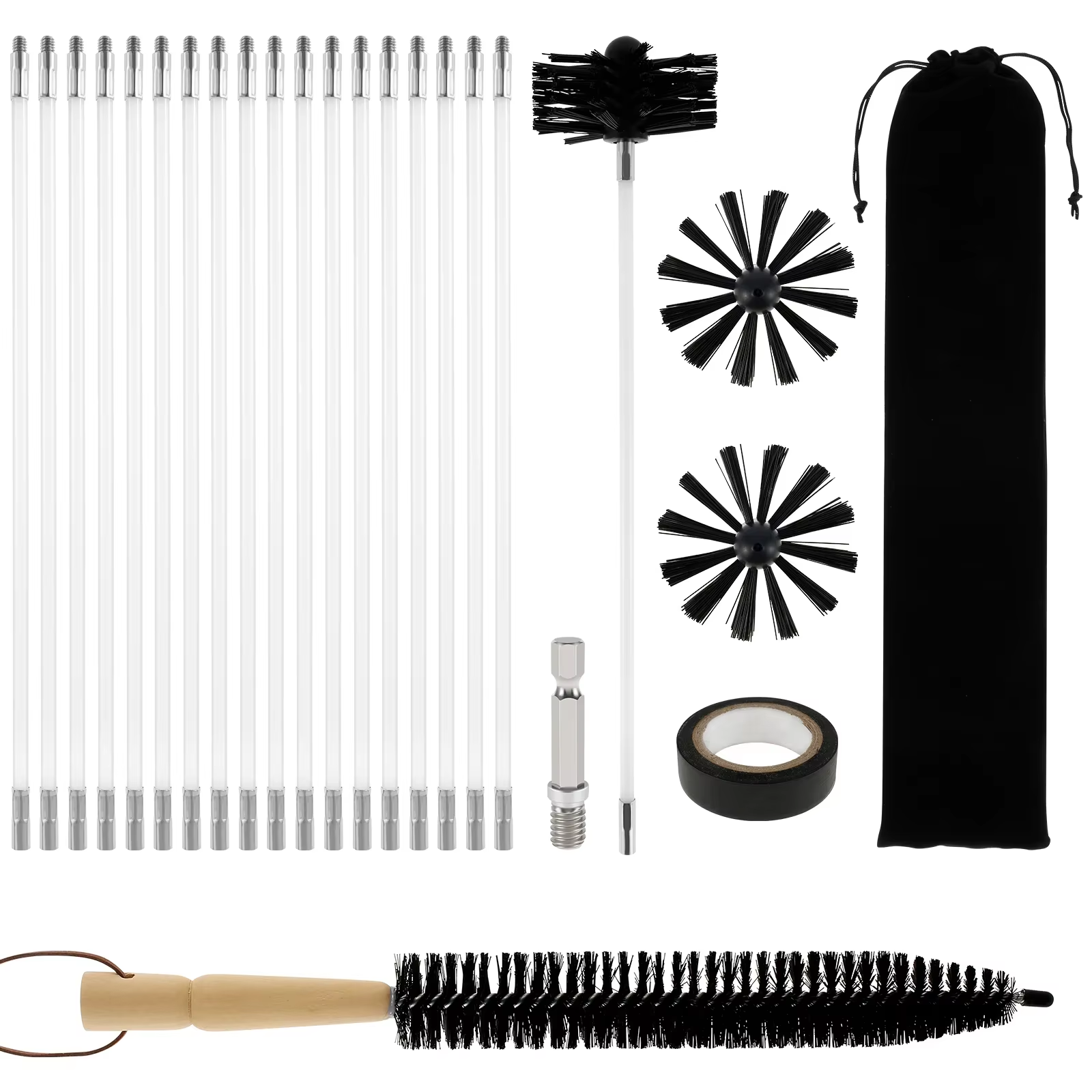
Seasonal Maintenance Calendar for Your Mobile Home Wood Stove
Owning a wood stove for mobile home heating means staying on top of regular maintenance to ensure safe, efficient operation year-round. Here’s a month-by-month guide to keep your heating system running smoothly.
Spring (March-May)
April: Give your wood stove for mobile home a thorough cleaning after the heating season. Remove all ash, inspect the interior for damage, and clean the glass doors. Check door gaskets and replace if they’re cracked or compressed.
May: Schedule professional chimney cleaning and inspection. Spring is the perfect time since most chimney services offer off-season discounts. Clean or replace the chimney cap and inspect the roof penetration for any winter damage.
Don’t miss our complete guide about How to Clean Wood Stove Chimney Yourself.
Summer (June-August)
June: Stock up on next year’s firewood. Freshly cut wood needs 6-12 months to properly season. Split and stack your wood in a dry, ventilated area away from your mobile home.
July: Inspect and clean your outside air intake system. Remove any debris like leaves, bird nests, or spider webs that might block airflow. Test the damper operation while you’re at it.
August: Check heat shields and floor protection around your wood stove for mobile home. Look for any warping, discoloration, or damage that occurred during the previous heating season.
Fall (September-November)
September: Test your wood stove before you need it. Build a small fire to check for proper draft and operation. This is also a good time to replace batteries in your smoke and carbon monoxide detectors.
October: Inspect your chimney pipe connections and tighten any loose joints. Check that your wood supply is properly seasoned, good firewood should have moisture content below 20%.
November: Do a final safety check before heavy use begins. Ensure your fire extinguisher is charged, review your emergency plan with family members, and confirm your insurance policy covers your wood stove for mobile home installation.
Winter (December-February)
December-February: Monitor your stove’s performance throughout the heating season. Remove ash weekly (store in a metal container away from combustibles), and watch for any changes in draft or unusual sounds that might indicate problems.
Monthly Year-Round Tasks
- Check door gaskets: A dollar bill should be held firmly when closed in the door
- Inspect chimney cap: Look for rust, damage, or blockages
- Test smoke/CO detectors: Replace batteries twice yearly
- Clean glass doors: Use only approved wood stove glass cleaner
- Monitor wood moisture: Seasoned wood burns cleaner and more efficiently
Red Flag Warning Signs
Watch for these issues that require immediate attention:
- White staining on the outside of your chimney (efflorescence)
- Rust on the damper or firebox
- Cracks in the chimney pipe or joints
- Strong odors when the stove isn’t operating
- Difficulty starting fires or poor draft
Remember, a well-maintained wood stove for mobile home heating will provide years of reliable, cost-effective warmth. When in doubt, consult with a certified technician who understands the unique requirements of mobile home installations.
This maintenance schedule might seem like a lot of work, but most tasks take just minutes to complete. The peace of mind and optimal performance you’ll get from a properly maintained wood stove for mobile home use makes it absolutely worth the effort.
Safety Tips for Using Wood Stoves in Mobile Homes

- Use a heat shield or fireproof mat under and behind the stove.
- Install carbon monoxide and smoke detectors.
- Use approved chimney and ventilation systems.
- Schedule annual chimney inspections and cleanings.
- Never leave the stove unattended while burning.
Final Thoughts: Is a Wood Stove Right for Your Mobile Home?
If you’re seeking an off-grid heating solution that’s cost-effective and environmentally conscious, a wood stove for your mobile home is an outstanding option. With so many certified, compact, and stylish models available today, there’s a solution for every size and budget.
Whether you’re heating a small RV or a full-sized modular home, the right wood stove can bring long-lasting warmth, ambiance, and savings.
FAQs about Wood Stoves for Mobile Home

Can I install any wood stove in my mobile home?
No. Only use HUD-approved and mobile-home-certified wood stoves to ensure safety and compliance. Regular residential wood stoves lack the specific safety features required for mobile home installations, like outside air intakes and proper clearance specifications.
How much does it cost to install a mobile home wood stove?
Installation costs range from $500 to $2,000, depending on chimney requirements and labor rates. This includes the chimney pipe, heat shields, and professional installation. DIY installation can save money but requires careful attention to local codes and manufacturer specifications.
Are pellet stoves safe for mobile homes?
Yes, many pellet stoves are certified for mobile home use and offer cleaner burning than traditional wood stoves. They’re actually easier to install since they use smaller venting pipes and produce less creosote buildup.
What’s the difference between a regular wood stove and a wood stove for mobile home use?
Mobile home wood stoves have specific design features like outside air intake connections, lower clearance requirements, and reinforced mounting systems. They’re built to handle the unique structural characteristics of mobile homes, including potential movement and different ventilation needs.
What’s the difference between a regular wood stove and a wood stove for mobile home use?
Mobile home wood stoves have specific design features like outside air intake connections, lower clearance requirements, and reinforced mounting systems. They’re built to handle the unique structural characteristics of mobile homes, including potential movement and different ventilation needs.
How much wood will I need for a heating season?
Most mobile home owners use 2-4 full cords of seasoned hardwood per heating season, depending on your climate, home size, and how often you run the stove. Start with 3 cords your first year and adjust based on your actual usage.
Can I use my wood stove for cooking during power outages?
While not designed as cooking appliances, many wood stove owners successfully use the flat top surface for simple cooking tasks like boiling water or heating canned goods. Never use the stove interior for cooking, and always ensure proper ventilation.
What clearances do I need around my wood stove for mobile home installation?
Mobile home wood stoves typically require 18-36 inches from combustible walls (reduced with heat shields), 18 inches from the ceiling, and 16 inches from the front. Always check your specific model’s requirements, as they can vary significantly.
Is insurance more expensive with a wood stove for mobile home heating?
Some insurance companies may adjust premiums for homes with wood stoves, but having a properly installed, certified unit often has minimal impact. Many insurers actually view wood stoves as a backup heating source that reduces claim risks during power outages.
How often should I clean my chimney with a mobile home wood stove?
Clean your chimney at least once per heating season, or after every cord of wood burned. Mobile home installations often have longer horizontal runs that can accumulate creosote faster than traditional vertical chimneys. don’t miss our guide about How to Clean Wood Stove Chimney Yourself
Can I heat my entire mobile home with one wood stove?
Yes, a properly sized wood stove for mobile home use can heat most single-wide and many double-wide homes effectively. The key is choosing the right BTU output and installing ceiling fans to circulate warm air throughout the space.
What’s the best location for installing a wood stove in a mobile home?
Central locations work best for heat distribution, but you’ll need to consider structural support, clearance requirements, and chimney routing. Many mobile home owners find success with living room or kitchen installations where the family spends most of their time.
