
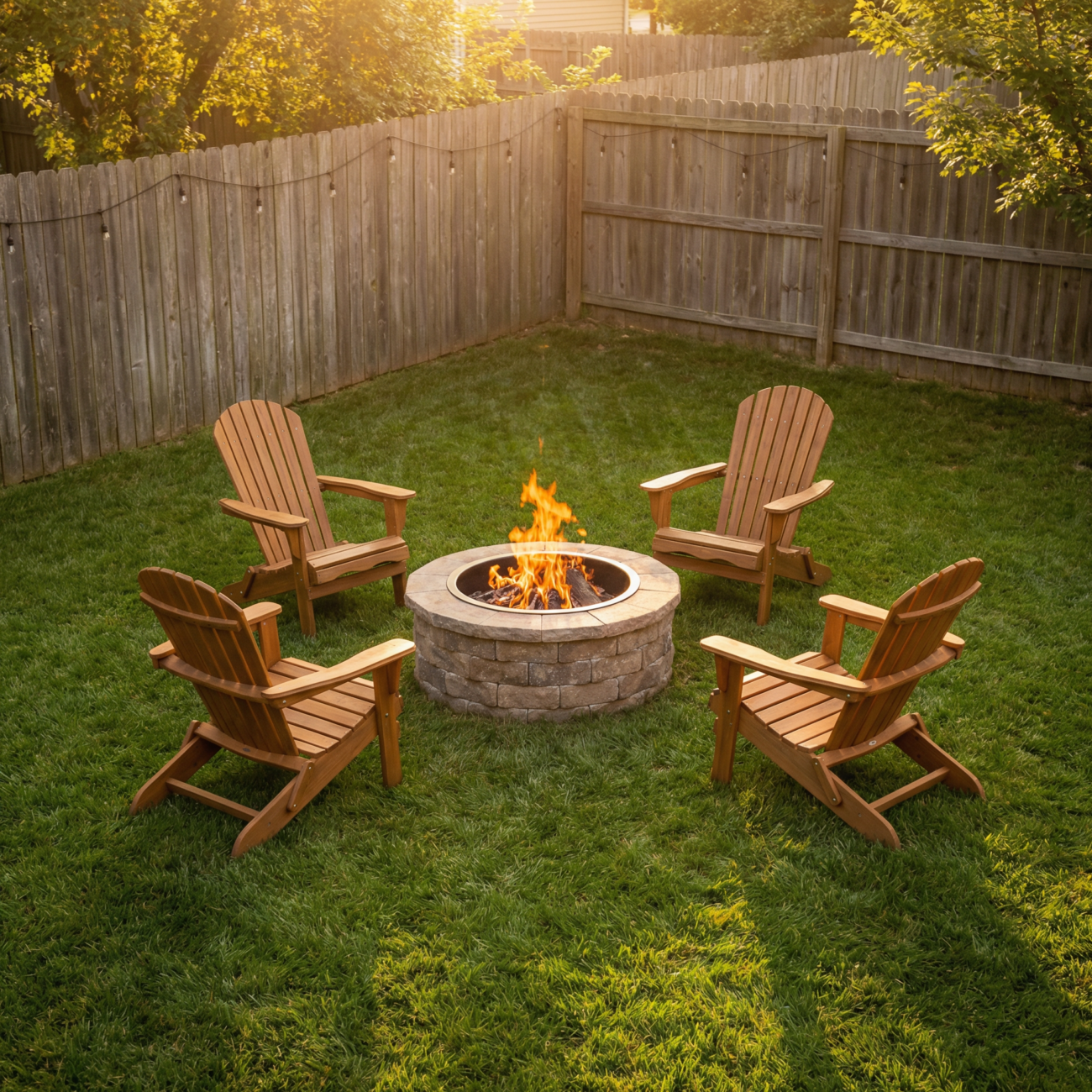
You’re standing in your compact backyard, imagining cozy evenings by the fire, but the space feels impossibly tight. Here’s the truth: the best fire pit setup for small backyard spaces combines a 36-inch diameter pit placed 15 feet from structures, uses heat-resistant materials, and follows local regulations. Most homeowners don’t realize you can create a stunning fire pit area in spaces as small as 10×10 feet.
I’ve helped dozens of homeowners transform cramped yards into fire pit havens, and the mistakes I see are always the same. They pick pits that are too large, ignore safety clearances, or skip the permit check. What they discover too late is that small doesn’t mean compromised when you plan smart. Finding the best fire pit setup for small backyard areas requires strategy, not square footage.
In this guide, you’ll learn exactly how to choose, position, and build the best fire pit setup for small backyard areas. We’ll cover legal requirements that vary by state, space-saving designs that actually work, and budget-friendly options under $200. Whether you’re working with a tiny patio or a narrow side yard, you’ll walk away knowing precisely what to buy, where to put it, and how to make it legal.
Understanding Small Backyard Fire Pit Regulations in 2026
Before you spend a dime, you need to know what’s actually allowed in your area. Fire pit laws have gotten stricter across the country, particularly in wildfire-prone regions and densely populated suburbs.
The baseline federal standard from the EPA states that recreational fires must use clean-burning fuels and avoid creating smoke that bothers neighbors. That’s vague on purpose because local jurisdictions set the real rules. When researching the best fire pit setup for small backyard compliance, your city or county ordinances matter more than federal guidelines.
Standard Distance Requirements
Most municipalities require minimum clearances that directly impact the best fire pit setup for small backyard spaces. Here’s what you’re typically looking at:
- 10-15 feet from any structure (houses, sheds, fences)
- 15-25 feet from combustible materials (wood decks, trees, bushes)
- 10 feet from property lines in most suburban areas
- 25 feet from structures in some rural jurisdictions
These aren’t suggestions. Violating clearance rules can result in fines ranging from $100 to $500, depending on your location. Worse, if your fire causes damage and you’re not in compliance, your homeowner’s insurance might deny the claim.
Fire Pit Size Restrictions
The standard maximum size for recreational fires is 3 feet in diameter and 2 feet in height. This is the fuel area, not the entire pit structure. If you buy a decorative fire pit with a 48-inch outer ring but a 30-inch burn area, you’re fine. This size restriction actually works perfectly for the best fire pit setup for small backyard spaces since you want proportional scale anyway.
Some cities have gotten more specific. New York City, for instance, requires fire pits be in approved containers positioned 15 feet from structures, while places like Cobb County, Georgia only allow recreational fires between 10 AM and 10:30 PM except on windy days.
Gas vs. Wood Regulations
Here’s where it gets interesting for small spaces. Gas fire pits face different rules than wood-burning ones. Many areas that restrict wood burning during dry seasons still permit gas fire pits because they’re:
- Easier to control and extinguish
- Don’t produce embers or floating ash
- Create minimal smoke
- Can be shut off instantly
If you’re tight on space and want year-round use, a propane or natural gas setup might be your best fire pit setup for small backyard areas from a legal standpoint.
Permit Requirements
Most recreational fire pits don’t require permits, but there are exceptions:
- Natural gas installations that require running gas lines need building permits
- Permanent structures built into landscaping may need approval
- HOA properties almost always need architectural committee approval
- Wildfire zones may require special permits even for portable units
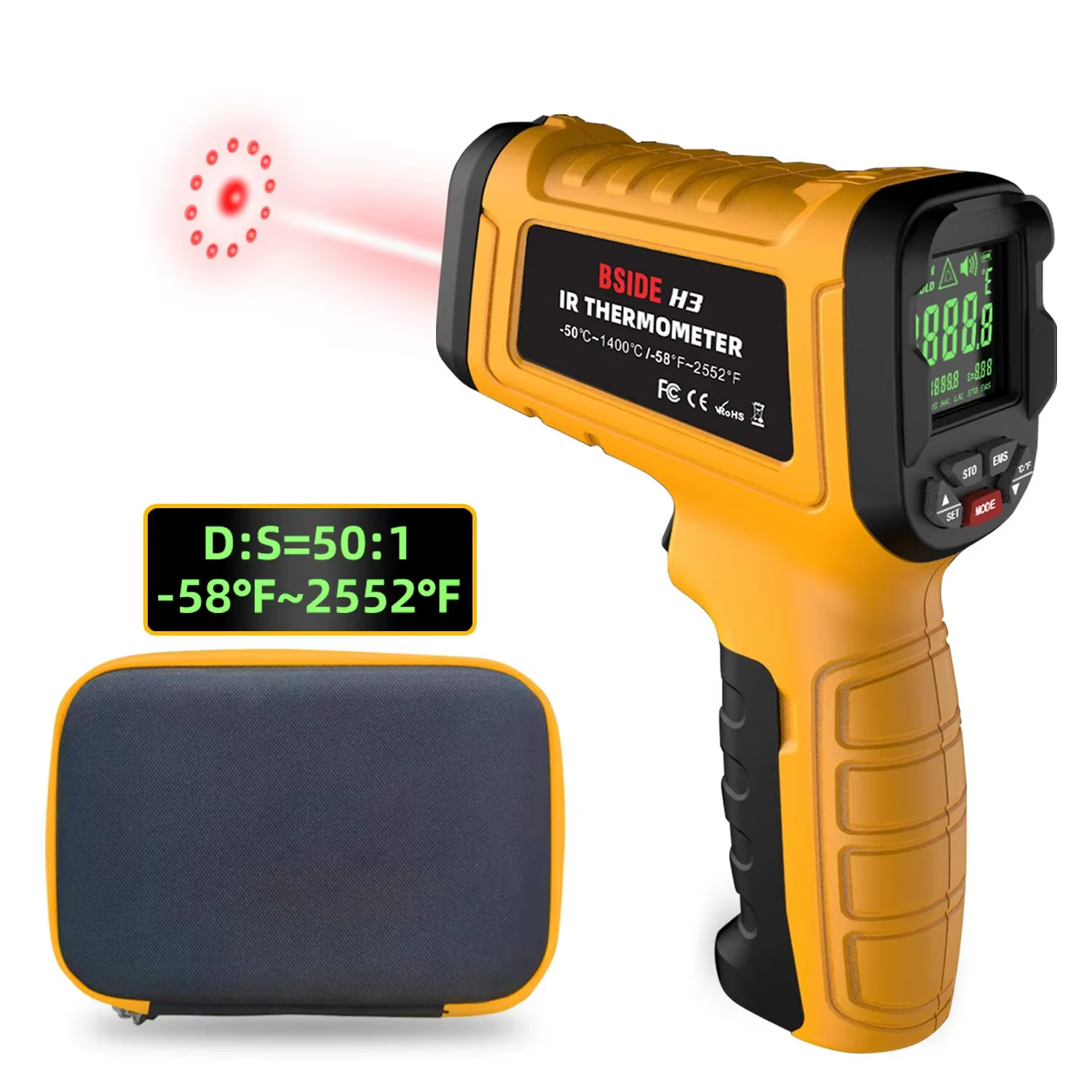
Call your local fire department’s non-emergency line. Tell them the size and type of fire pit you’re considering, and they’ll tell you exactly what’s allowed. This five-minute call can save you from expensive mistakes and ensure you’re creating the best fire pit setup for small backyard use within legal boundaries.
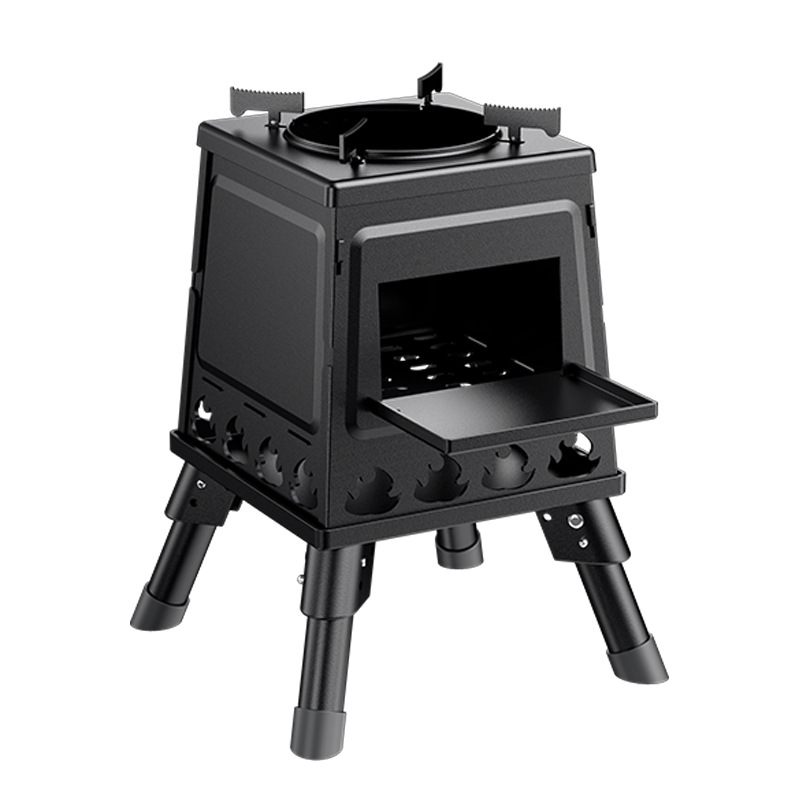
For more on heating regulations that might affect your setup, check out our guide on 2026 wood stove regulations.

Space Planning: Making Every Square Foot Count
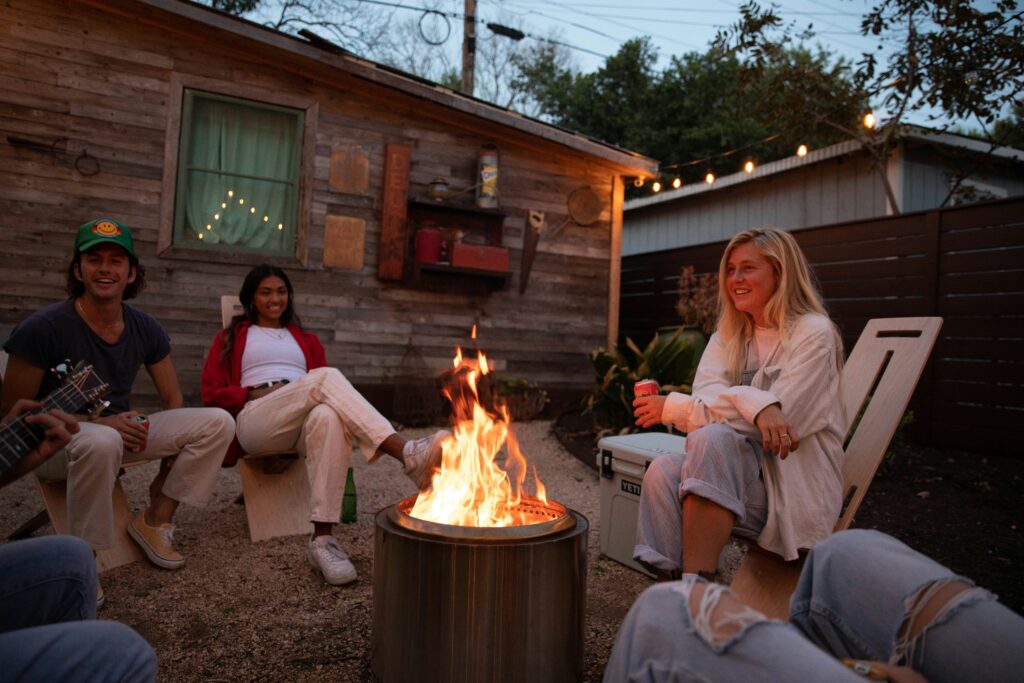
The biggest mistake homeowners make is thinking their backyard is too small for a fire pit. I’ve seen functional setups in yards smaller than 200 square feet. The secret isn’t finding more space; it’s using what you have strategically. Even tiny yards can accommodate the best fire pit setup for small backyard entertaining when planned correctly.
Measuring Your Available Space
Start with actual measurements, not guesswork. You’ll need:
- Fire pit diameter: 24-36 inches for small spaces
- Safety clearance: 10-15 feet minimum from structures
- Seating area: 6-7 feet from pit center to chair backs
- Walking paths: 36 inches minimum for comfortable movement
Here’s a simple formula: For a 30-inch fire pit, you need a minimum circular area of about 14 feet in diameter to meet safety standards and fit 4 chairs. That’s roughly 154 square feet. This calculation is fundamental when planning the best fire pit setup for small backyard dimensions.
Corner Placement vs. Center Placement
For the best fire pit setup for small backyard areas, corner placement almost always wins. Here’s why:
Corner Advantages:
- Uses “dead space” most yards ignore
- Natural windbreak from two fence lines
- Frees up central lawn for other activities
- Feels more intimate and cozy
- Easier to run gas lines or power if needed
Center Placement Advantages:
- Better airflow reduces smoke issues
- Equal access from all sides
- Natural focal point for gatherings
- More flexibility with seating arrangements
I usually recommend corners for yards under 300 square feet and center placement for anything larger.
Multi-Function Space Design
In small backyards, your fire pit area needs to pull double duty. Creating the best fire pit setup for small backyard functionality means thinking beyond just the fire itself. The best setups I’ve seen include:
- Removable Furniture: Choose lightweight chairs that stack or fold. During the day, clear them for kids’ play area. At night, arrange them around the fire.
- Covered Fire Pits: Get a quality cover that turns your fire pit into a side table when not in use. Suddenly it’s functional space 24/7.
- Integrated Storage: Build benches with storage underneath for firewood, fire tools, and cushions. This eliminates the need for a separate shed or storage box.
The off grid cabin heating options article has some clever dual-purpose heating solutions that translate well to outdoor fire pit areas.
Choosing the Right Fire Pit Type for Compact Spaces
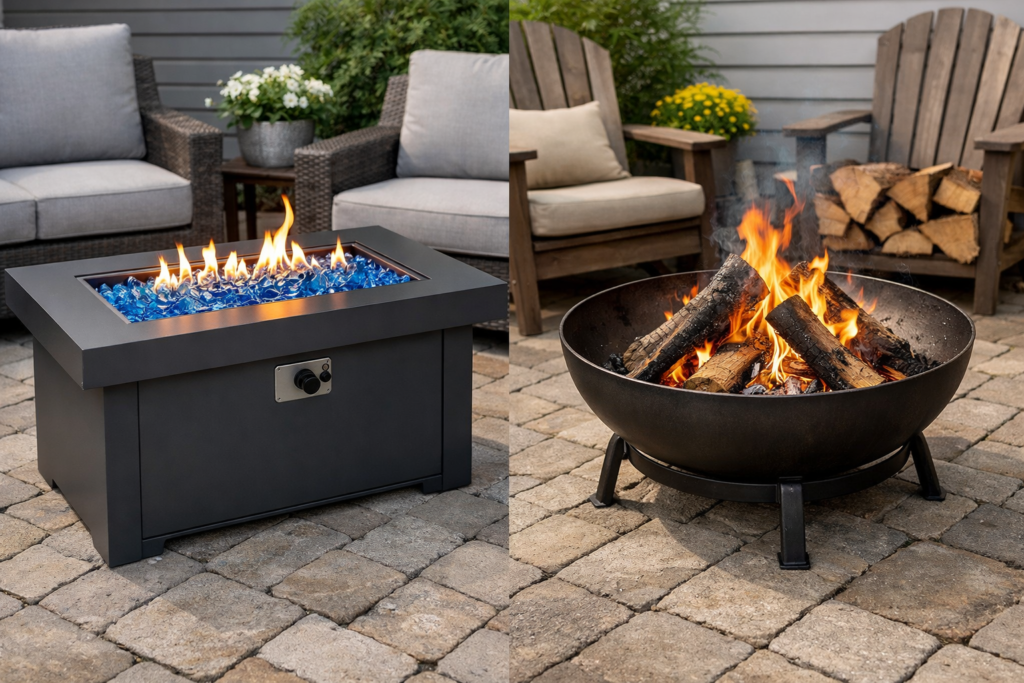
Not all fire pits work in small backyards. Some are too large, others create too much smoke, and a few are downright dangerous in tight quarters. Here’s what actually works.
1. Wood-Burning Fire Pits
Traditional wood-burning pits offer the authentic campfire experience, but they come with trade-offs in small spaces. Whether wood-burning qualifies as the best fire pit setup for small backyard areas depends on your priorities and local regulations.
Best for small spaces:
- Steel fire bowls (22-30 inch diameter)
- Cast iron fire rings with minimal footprint
- Elevated designs that reduce ground heat
Pros:
- Genuine campfire ambiance and smell
- No fuel costs if you have free wood access
- Higher heat output for cold nights
- Great for cooking marshmallows and hot dogs
Cons:
- Smoke can be problematic with close neighbors
- Requires wood storage space
- More cleanup (ash disposal)
- Can be banned during dry seasons
- Needs constant attention
For wood-burning setups, consider getting the best firewood for wood stoves, which also works perfectly in outdoor fire pits.
2. Gas Fire Pits (Propane and Natural Gas)
For the best fire pit setup for small backyard areas, gas often wins. Here’s the breakdown:
Propane Advantages:
- Portable; move it for lawn care or parties
- No installation required
- Works anywhere in the yard
- 20-pound tank lasts 8-12 hours
- Clean burning with minimal smoke
- Easy on/off control
Natural Gas Advantages:
- Never runs out mid-gathering
- Lower operating cost long-term
- No tank storage needed
- Consistent flame height
- Permanent installation adds home value
Gas Fire Pit Drawbacks:
- Initial cost higher ($200-$800 vs. $100-$300 for wood)
- Less authentic campfire feel
- Natural gas requires professional installation
- Propane tanks need storage space
- Can’t cook directly over flames
I’ve found that homeowners with less than 300 square feet of backyard space prefer propane for flexibility. Anything larger, and natural gas makes sense if you’re staying in the home long-term. For many urban dwellers, a propane setup becomes the best fire pit setup for small backyard areas due to portability and clean burning.
3. Tabletop and Portable Fire Pits
Don’t overlook these space-saving champions. Modern tabletop fire pits have come a long way from the cheap gel-fuel bowls of the past. For balconies or exceptionally tight spaces, a premium tabletop unit might be the best fire pit setup for small backyard or patio use.
Best Options:
- Concrete bowl designs (12-18 inches)
- Stainless steel tabletop fire bowls
- Bioethanol tabletop units
- Portable propane fire tables
These work brilliantly for:
- Balconies and small patios
- Apartment dwellers with outdoor space
- Renters who need something non-permanent
- Secondary fire features for ambiance
- Yards too small for standard pits
The best fire pit setup for small backyard spaces sometimes means getting creative with scale. A beautiful tabletop unit on a dining table surrounded by string lights can create as much atmosphere as a full-sized pit.
4. Fire Pit Tables
These are the Swiss Army knives of small-space fire pits. When not lit, they function as regular outdoor coffee tables or dining tables.
Why they work:
- Dual-purpose functionality saves space
- Built-in seating options with some models
- Controlled flame height (usually 6-12 inches)
- Wind guards prevent flame blowout
- Storage inside base for propane tank
Fire tables range from $300 to $2,000, but mid-range options around $500 offer the best value for small backyards. The dual functionality makes fire tables strong contenders for the best fire pit setup for small backyard areas where space is at a premium.
Safe Installation and Placement Guidelines
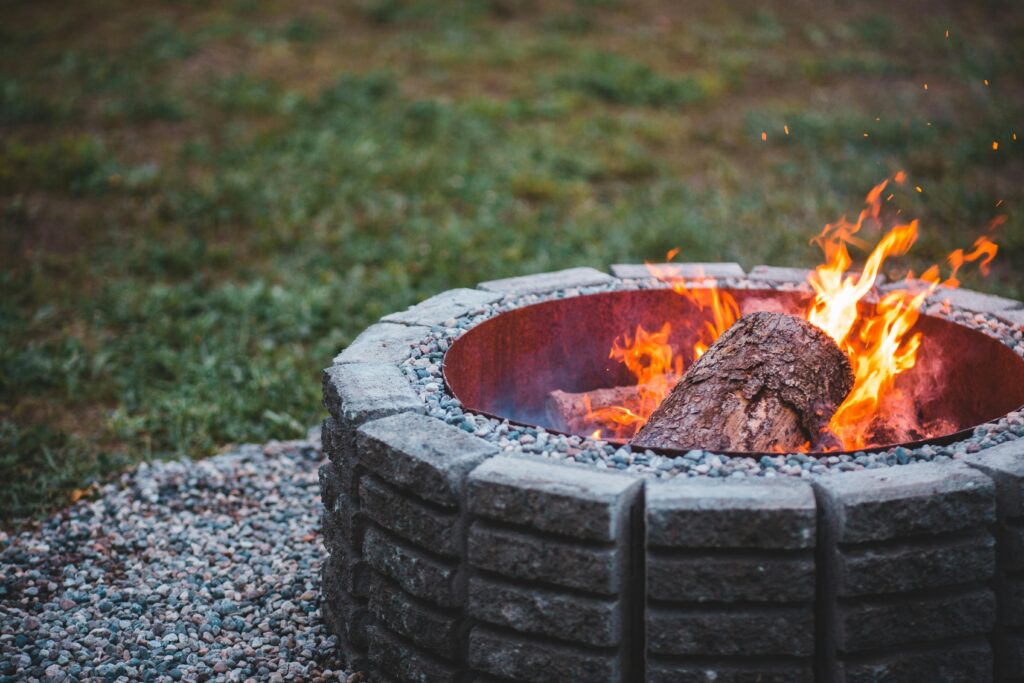
You’ve picked your fire pit. Now let’s make sure it doesn’t become a liability. Proper installation separates the best fire pit setup for small backyard spaces from potential disasters.
1. Ground Surface Requirements
What’s under your fire pit matters more than most people realize. The ground needs to be:
Level and Stable: A wobbly fire pit is dangerous. Use a 4-foot level to check the area. If you’re on a slope, you’ll need to build a level base with pavers or create a gravel pad.
Non-Combustible: Never place fire pits directly on:
- Wood decks (even composite)
- Grass (it dies and creates bare patches)
- Dry leaves or mulch
- Synthetic turf
Heat-Resistant Base Options:
| Material | Durability | Installation | Best For |
|---|---|---|---|
| Paver stones | Excellent | Moderate | Permanent setups |
| Gravel pad | Good | Easy | Budget builds |
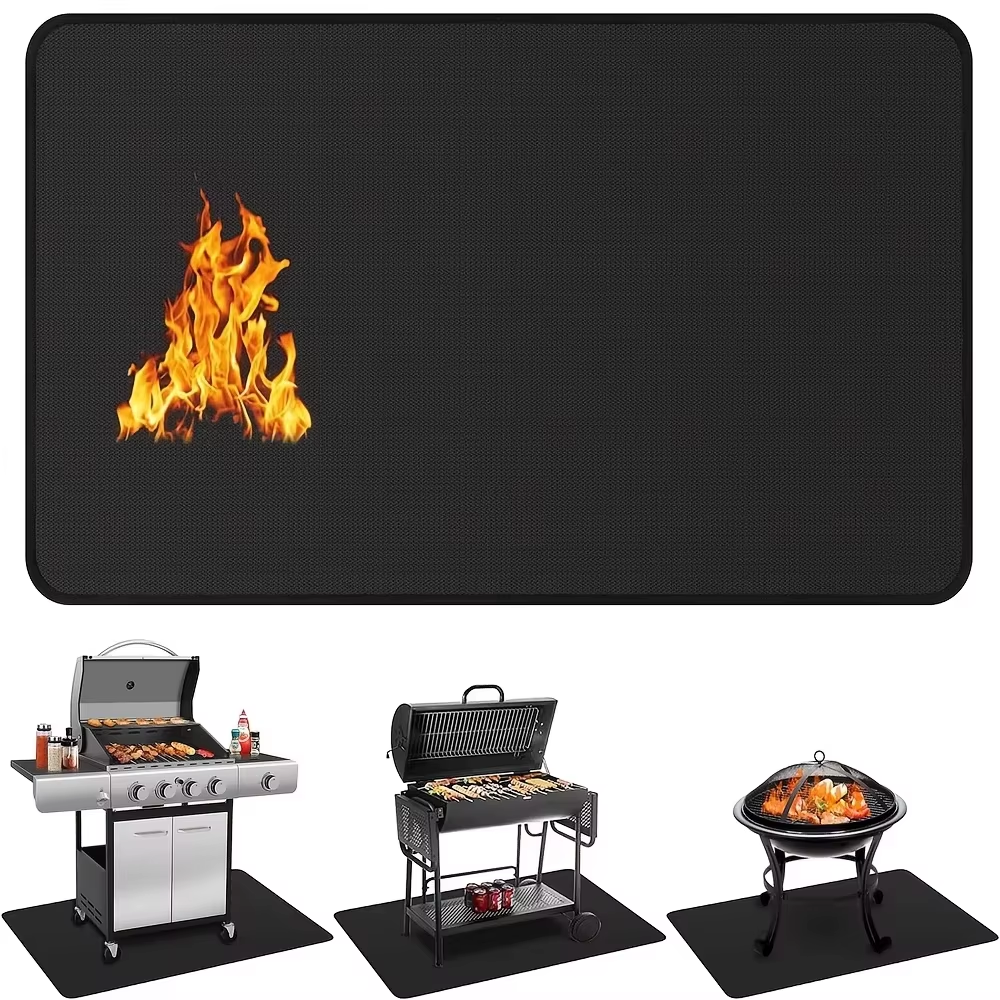
| Fire-resistant mat | Good | Instant | Portable pits |
| Concrete pad | Excellent | Difficult | Natural gas installs |
| Flagstone | Excellent | Moderate | Aesthetic setups |
For most small backyard fire pits, a 4-6 inch deep gravel pad topped with pavers gives you the best balance of cost, safety, and appearance. This foundation approach works for nearly any design when building the best fire pit setup for small backyard spaces.
2. Creating Proper Clearance Zones
Think of clearance in three circles:
Zone 1 (Immediate Area, 0-3 feet):
- Non-combustible surface only
- No furniture, plants, or decorations
- Keep fire tools and extinguisher here
- Clear of all overhanging branches
Zone 2 (Safety Perimeter, 3-10 feet):
- Heat-resistant furniture only
- No stored firewood or combustibles
- Seating area for guests
- Emergency exit paths
Zone 3 (Extended Area, 10-25 feet):
- Minimum distance to structures
- Distance to property lines
- Clearance from tree canopies
- Neighbor consideration zone
In small backyards, Zone 3 often bumps right against your fence line or house. This is why corner placement works so well; it naturally creates a 90-degree wedge of usable space.
3. Wind Direction and Smoke Management
Here’s something nobody mentions until it’s too late: prevailing wind direction determines whether you’ll love or hate your fire pit.
Check Wind Patterns:
- Observe which direction wind typically blows in the evening (when you’ll use it most)
- Note seasonal changes (summer vs. winter winds)
- Consider your neighbor’s windows and outdoor spaces
Position for Minimum Impact:
- Place fire pit upwind from your house and neighbors when possible
- Use fence lines or structures as windbreaks
- Avoid spots where wind creates swirling patterns
- Consider adding decorative wind barriers
I’ve seen homeowners move fire pits three times before finding the sweet spot. Save yourself the trouble: Spend a week observing wind patterns before making it permanent. Wind assessment is a crucial but often overlooked element of the best fire pit setup for small backyard comfort.
For similar placement considerations with indoor heating, check our guide on wood stove heat shield requirements.
DIY Fire Pit Builds Under $200
Building the best fire pit setup for small backyard spaces doesn’t require a contractor or a huge budget. Here are three proven DIY designs that work in compact areas.
1. The Simple Stone Ring Method
Total Cost: $80-$120
This is the most straightforward build and perfect for beginners.
Materials Needed:
- 36-inch galvanized fire ring ($30-$50)
- 60-80 landscaping blocks or bricks ($40-$60)
- 1-2 bags of paver base ($10-$15)
- 1 bag of fire-resistant sand ($5-$10)
Step-by-Step:
- Mark a 5-foot diameter circle using a stake and string
- Dig down 3-4 inches within the circle
- Add 2 inches of paver base, tamp flat
- Center the fire ring in the circle
- Stack blocks around the ring (no mortar needed for small pits)
- Fill center with 2 inches of sand
- Add decorative rock or gravel around the outside
Build Time: 2-3 hours
Pros: Easily removable, no special skills needed, can be disassembled if you move, affordable entry point for the best fire pit setup for small backyard budgets
Cons: Less polished look, blocks may shift over time, not as durable as mortared designs
2. The In-Ground Fire Pit
Total Cost: $50-$100
Perfect for the best fire pit setup for small backyard areas because it saves vertical space and feels more integrated. Many homeowners find in-ground designs offer the best fire pit setup for small backyard aesthetics since they blend seamlessly with landscaping.
Materials Needed:
- 30-inch steel fire ring ($25-$40)
- Fire bricks for lining ($30-$50)
- Gravel for drainage ($10-$15)
Step-by-Step:
- Dig a bowl-shaped hole 18 inches deep, 40 inches diameter
- Create a 6-inch drainage hole in the center bottom
- Add 4 inches of gravel for drainage
- Line sides with fire bricks (dry stack is fine)
- Set fire ring into lined pit
- Edge with pavers or stones at ground level
Build Time: 3-4 hours
Pros: Low profile, won’t obstruct views, naturally wind-protected, saves surface space
Cons: Drainage issues in wet climates, can collect water, harder to clean, kids/pets can’t see it easily
3. The Cinder Block Square
Total Cost: $60-$90
My favorite for small backyards because you can build this in literally any corner.
Materials Needed:
- 36 cinder blocks ($1.50 each = $54)
- Metal fire bowl or ring insert ($30-$40)
- Construction adhesive (optional, $6-$10)
Step-by-Step:
- Level a 4×4 foot area with paver base
- Lay first layer of cinder blocks in a square (12 blocks)
- Stack second and third layers, offsetting joints
- Leave 3-4 inch gaps between some blocks for airflow
- Set fire bowl inside the square
- Cap with flat pavers if desired
Build Time: 1-2 hours
Pros: Extremely fast build, rectangular shape fits corners perfectly, blocks can be painted or faced with stone veneer, built-in storage in block holes
Cons: Less attractive than circular pits, industrial look unless dressed up, blocks can crack with extreme heat cycles
Each of these designs creates a functional, safe fire pit for under $200. The stone ring gives you the most traditional look, the in-ground option maximizes space efficiency, and the cinder block build offers the fastest construction.
For more DIY outdoor projects that complement your fire pit area, see our guide on small wood stoves for cabin applications.
Fire Pit Safety Essentials You Can’t Skip
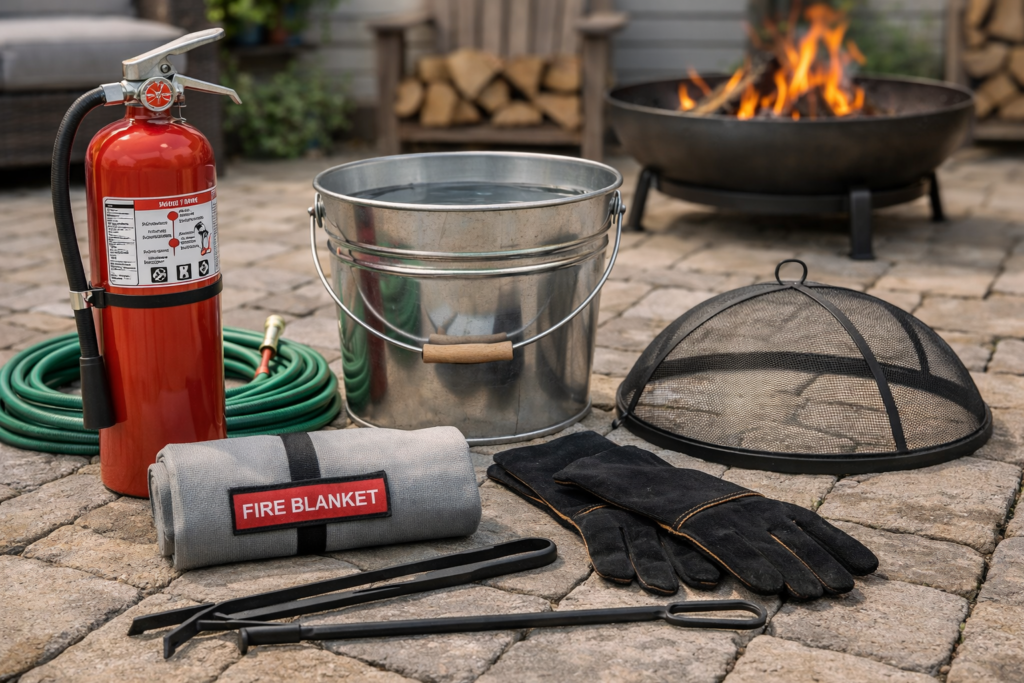
The best fire pit setup for small backyard spaces includes proper safety equipment. These aren’t optional extras; they’re requirements that protect your family and property.
1. Must-Have Safety Equipment
Fire Extinguisher: Keep a 10-pound ABC-rated extinguisher within 10 feet of the fire pit. Check the pressure gauge monthly. Replace or recharge when the needle drops into the red zone.
Cost: $30-$50
Lifespan: 5-10 years with proper maintenance
Water Source: Have a connected garden hose that reaches the fire pit with water turned on. Keep a 5-gallon bucket of water or sand next to the pit as backup.
Fire Blanket: Fiberglass fire blankets smother small fires and can wrap around someone whose clothing catches fire. Hang one near the pit area.
Cost: $15-$25
Lifespan: Indefinite if kept dry
Fire Screen or Spark Guard: Essential for wood-burning pits. Prevents embers from jumping out and starting spot fires in your yard or on your deck.
Cost: $30-$80 depending on size
Bonus: Keeps kids and pets at safe distance
Long Fire Tools: You need tools long enough to safely manage the fire:
- 36-inch fireplace poker
- 30-inch tongs
- 24-inch shovel for ash
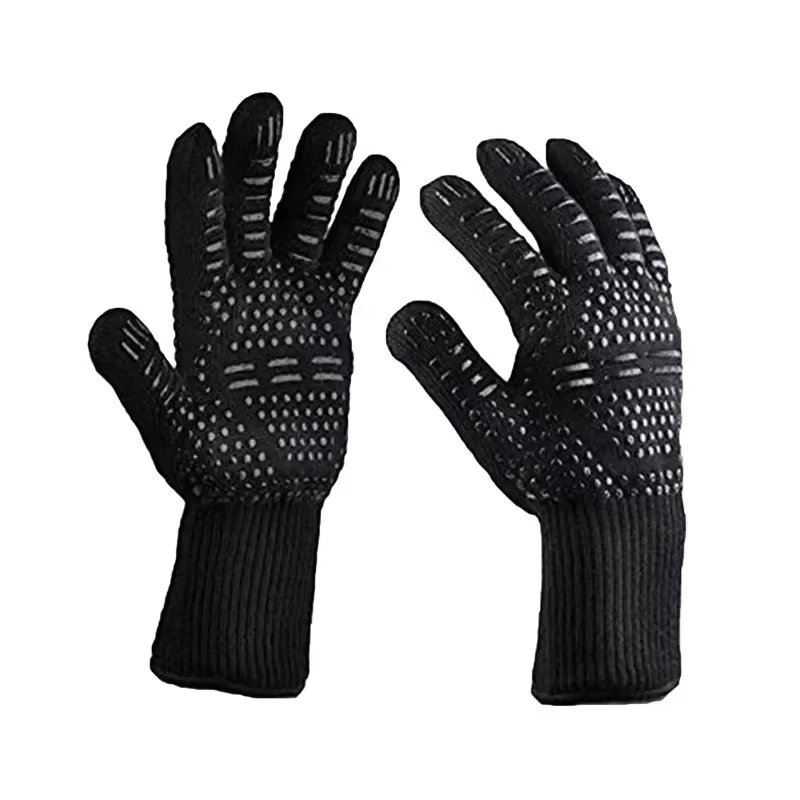
Heat-Resistant Gloves: Welding gloves or leather fireplace gloves protect when moving hot grates or adjusting logs.
2. Fire Starting and Maintenance Rules
Safe Fire Starting:
- Never use gasoline, lighter fluid, or accelerants (causes flash fires)
- Use fire starters, newspaper, or kindling
- Build fires small; you can always add more wood
- Keep fires under 2 feet high in small backyards
During the Fire:
- Never leave unattended, not even for a minute
- Assign one responsible adult as “fire monitor”
- Keep children and pets at least 3 feet away
- Don’t wear loose, flowing clothing near flames
- Avoid alcohol consumption by the person monitoring the fire
Extinguishing Properly: Most people do this wrong. Here’s the right method:
- Let wood burn down to coals (about 30 minutes before bedtime)
- Spread coals with shovel or poker
- Pour water slowly over coals (too fast creates steam clouds)
- Stir ash and coals, mixing water throughout
- Add more water
- Feel coals with back of hand from 6 inches away; should feel cool
- If any heat remains, repeat water and stirring
Never cover a fire to “smother” it. Coals can smolder for hours under covers, then reignite.
3. What Never to Burn
These materials create toxic fumes, excessive smoke, or explosion risks:
- Treated lumber or painted wood (releases chemicals)
- Plywood or particle board (toxic glues)
- Plastic of any type (toxic fumes, melts)
- Trash or garbage (illegal in most places)
- Cardboard with colored ink (chemicals)
- Wet or green wood (excessive smoke)
- Christmas trees (flames too high, sparks everywhere)
Stick to dry, seasoned hardwoods. If you’re unsure about wood quality, our best firewood for wood stoves guide applies equally to fire pits.
4. Weather-Related Safety
Don’t Burn When:
- Winds exceed 10-15 mph (check weather apps)
- Air quality alerts are active
- Burn bans are in effect
- It hasn’t rained in 2+ weeks during summer
- Dead leaves or dry grass surround the area
According to NFPA standards, most fire pit accidents happen on windy days when embers travel to unintended areas. That’s especially dangerous in small backyards where houses are close together.
Maximizing Comfort and Ambiance in Tight Spaces
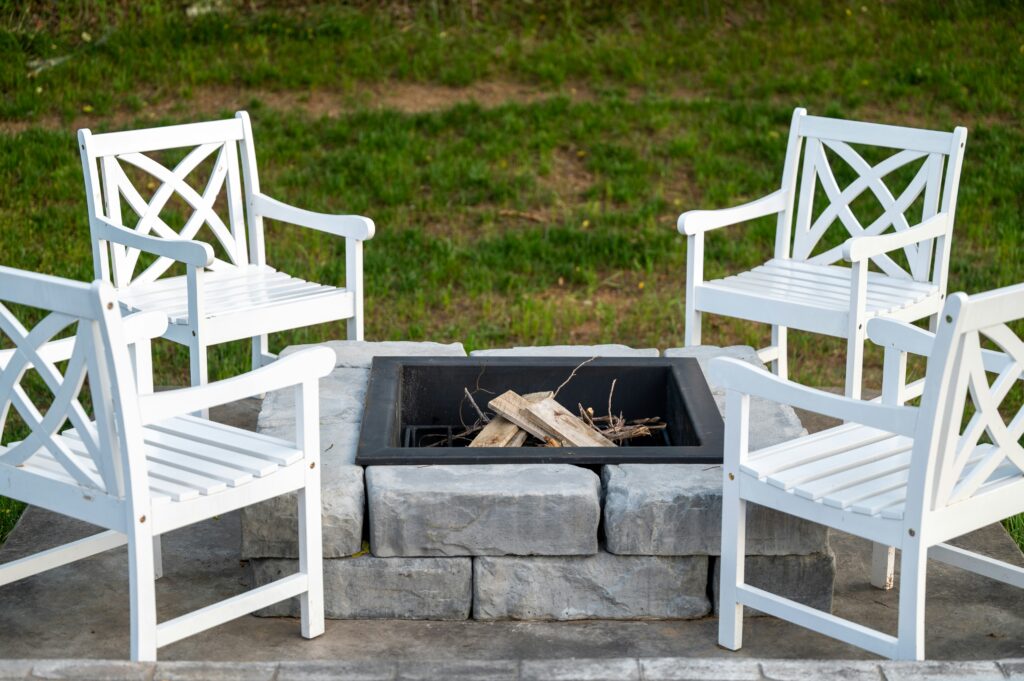
Creating the best fire pit setup for small backyard areas means making every inch count. The best fire pit setup for small backyard comfort combines smart furniture choices with clever design tricks. Here’s how to design a space that feels spacious and inviting despite limited square footage.
1. Strategic Seating Arrangements
The Semi-Circle Setup: Instead of seating all around, arrange chairs in a 180-degree arc. This:
- Keeps one side open for fire tending
- Creates intimate conversation space
- Allows easy entry and exit
- Saves 40% of the space vs. full-circle seating
Furniture Selection:
- Choose armless chairs (save 8-12 inches per seat)
- Look for stackable or folding options
- Consider built-in stone or concrete benches
- Use ottomans that double as extra seating or tables
Spacing Guidelines:
- 24 inches between chair seats minimum
- 36 inches for walking paths behind chairs
- 6-7 feet from fire to seat backs for comfort
2. Lighting Strategies
Proper lighting extends your fire pit season and creates atmosphere without eating into your limited space.
Layered Lighting Approach:
Ambient Layer:
- String lights overhead (zigzag pattern saves space)
- Solar path lights around perimeter
- Low-voltage landscape lighting on fence lines
Task Layer:
- Small LED lanterns on side tables
- Rechargeable camping lights near firewood storage
- Motion-sensor lights on paths to house
Accent Layer:
- Flameless candles on tables (wind-proof)
- Tiki torches in corners (citronella bonus)
- Uplighting on nearby trees or structures
Avoid flood lights or bright overhead lights. They kill the fire pit ambiance and make flames less visible.
3. Space-Saving Accessories
Fire Pit Covers: A good cover does triple duty:
- Protects from weather when not in use
- Creates usable table surface
- Keeps debris and critters out
Integrated Storage:
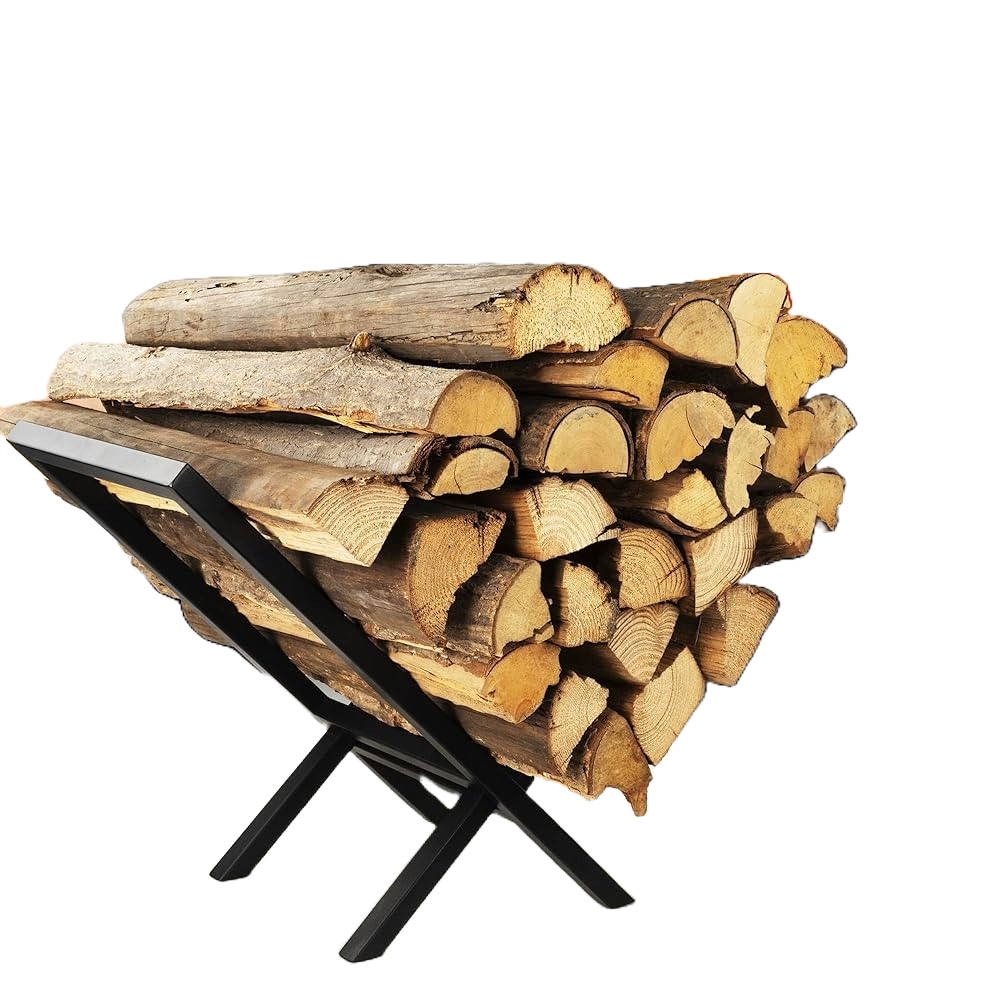
- Firewood rack that doubles as bench back
- Waterproof storage ottomans
- Wall-mounted tool holders
- Under-bench storage boxes
Multi-Purpose Elements:
- Side tables with built-in coolers
- Chairs with storage under seats
- Retractable shade structures
- Removable cooking grates
4. Creating Visual Expansion
Make your small space feel larger with these designer tricks:
Vertical Elements:
- Tall planters with grasses or bamboo
- Hanging plants on fence
- Vertical garden walls
- Trellises with climbing vines
Mirrors and Reflective Surfaces:
- Outdoor mirrors on fences (double the space visually)
- Polished metal accents
- Glass tabletops
- Water features with reflective surfaces
Color and Texture:
- Light-colored furniture keeps space feeling open
- Varied textures add interest without clutter
- Monochromatic color schemes feel more spacious
- Pops of color in pillows (easily changed)
The goal is creating a cohesive outdoor room that happens to center around fire rather than furniture.
Year-Round Maintenance for Small Fire Pits
The best fire pit setup for small backyard spaces requires minimal but consistent maintenance. Skip these tasks and you’ll face rust, deterioration, or safety issues.
1. Monthly Maintenance Tasks
Ash Removal: Even small fires create ash that needs regular clearing.
- Let ash cool completely (24 hours minimum)
- Scoop into metal container
- Dispose in trash (check local rules; some areas compost wood ash)
- Leave thin layer of ash as insulation for next fire
Visual Inspection: Walk around and check for:
- Cracks in fire bowl or ring
- Rust spots forming
- Loose pavers or stones
- Debris accumulation
- Animal nests in unused pits
- Water drainage issues
Cleaning:
- Brush off soot from exterior
- Wipe down surrounding pavers
- Clear dead leaves from area
- Check gas lines for damage (if applicable)
2. Seasonal Maintenance
Spring (Pre-Season):
- Deep clean entire pit area
- Check all clearances (trees may have grown)
- Test gas connections and valves
- Replace worn fire screens or spark guards
- Seal any cracks in stone or concrete
- Trim back vegetation that grew over winter
Summer (Peak Season):
- Weekly ash removal during heavy use
- Monitor wood moisture if storing nearby
- Check local fire restrictions weekly
- Inspect seating for weather damage
- Refresh gravel or mulch in surrounding area
Fall (Shoulder Season):
- Clear fallen leaves daily
- Check drainage before rainy season
- Apply rust-prevention treatment to metal
- Store cushions to prevent mildew
- Consider leaf netting over pit
Winter (Off-Season):
- Deep clean before storing
- Apply protective coating to metal parts
- Cover with waterproof, breathable cover
- Elevate covers to prevent water pooling
- Check monthly for snow/ice damage
- Store propane tanks properly
3. Material-Specific Care
Steel Fire Pits:
- Apply high-heat paint annually
- Remove rust with wire brush
- Consider moving to covered storage in winter
- Expected lifespan: 3-7 years with care
Cast Iron:
- Season like a skillet when new
- Re-season annually
- Never leave standing water inside
- Expected lifespan: 10-15 years
Copper:
- Develops natural patina (green color is normal)
- Polish if you prefer shiny copper look
- Wax coating helps slow patina development
- Expected lifespan: 15-25 years
Stone/Concrete:
- Seal annually with masonry sealer
- Check mortar joints for cracks
- Repoint if gaps appear
- Expected lifespan: 20+ years
4. Winter Storage Options
If you’re in a harsh winter climate, proper storage prevents damage:
Covered Storage (Best):
- Garage or shed
- Completely dry before storing
- Elevate off concrete floor
- Remove propane tanks
Outdoor Cover (Good):
- Waterproof, UV-resistant cover
- Elevate cover to prevent water pooling
- Secure against wind
- Check monthly for moisture
In-Place Protection (Acceptable):
- Heavy-duty cover with vents
- Remove ash completely
- Add desiccant packs for moisture control
- Inspect after every major storm
The best fire pit setup for small backyard spaces includes a storage plan. Protecting your investment adds years to the lifespan.
For related outdoor maintenance tips, see our essential wood burning stove maintenance checklist.
Budget-Friendly Fire Pit Solutions Under $300

Creating the best fire pit setup for small backyard spaces doesn’t require breaking the bank. You can achieve the best fire pit setup for small backyard gatherings on almost any budget. Here are proven budget strategies that deliver quality results.
1. Cost Breakdown by Approach
DIY Basic Setup ($75-$150):
- Simple stone ring: $80-$120
- Fire-resistant base: $20-$40
- Basic safety equipment: $25-$50
- Total: $125-$210
DIY Premium Setup ($200-$400):
- Mortared brick or stone pit: $150-$250
- Decorative pavers: $50-$80
- Complete safety kit: $50-$75
- Seating (DIY benches): $40-$60
- Total: $290-$465
Store-Bought Budget ($150-$300):
- Quality steel fire bowl: $100-$200
- Fire-resistant mat: $30-$50
- Basic tools and screen: $40-$60
- Total: $170-$310
Store-Bought Premium ($400-$800):
- Gas fire table: $350-$600
- Professional base pad: $80-$120
- Complete accessory set: $75-$100
- Total: $505-$820
2. Money-Saving Strategies
Shop Off-Season: Fire pits go on clearance September through March. I’ve seen $400 units marked down to $200 in October.
Use Reclaimed Materials:
- Free bricks from Craigslist or Facebook Marketplace
- Stone from demolished patios or walls
- Steel bowls from old washing machine drums
- Pavers from previous landscaping projects
Bundle Purchases:
- Buy materials for fire pit, base, and seating together
- Many stores offer 10-15% bulk discounts
- Split costs with neighbors building similar pits
DIY vs. Buy Decision Matrix:
| If You Have… | Best Choice | Why |
|---|---|---|
| Tight budget + Time | DIY build | Save 50-60% |
| Moderate budget + No time | Store-bought portable | Ready immediately |
| Good budget + Want permanent | DIY custom | Control design |
| Rental property | Portable store-bought | Can take when moving |
| HOA restrictions | Store-bought certified | Pre-approved designs |
3. Free and Low-Cost Additions
Seating:
- Cinder blocks with cushions ($2 per seat)
- Log rounds from tree trimming (free to $10)
- Repurposed outdoor furniture (Craigslist free section)
- Built-in stone benches using leftover materials
Lighting:
- Solar string lights ($15-$30)
- Thrifted lanterns ($2-$8 each)
- DIY citronella torches ($5 per torch)
Decorative Elements:
- River rocks from landscaping projects
- Reclaimed wood for firewood storage
- Native plants from yard divisions
- DIY wind chimes or garden art
The best fire pit setup for small backyard areas balances initial cost with long-term value. A $200 quality build beats a $100 cheapo unit that rusts out in two years.
Common Small Backyard Fire Pit Mistakes to Avoid
I’ve seen these errors dozens of times. Each one compromises safety, comfort, or longevity. Here’s what to watch for.
Mistake 1: Ignoring Wind Patterns
The Problem: Placing your fire pit without considering prevailing winds means smoke constantly blows into seating areas or your neighbor’s windows.
The Fix: Observe evening wind patterns for a week before installing. Position seating upwind from the fire. Use decorative screens or landscaping as windbreaks.
Mistake 2: Choosing the Wrong Size
The Problem: Too large overwhelms small spaces and violates clearances. Too small creates weak fires that disappoint.
The Fix: For backyards under 300 square feet: 24-30 inch fire pits
For 300-600 square feet: 30-36 inch fire pits
For 600+ square feet: 36-48 inch fire pits
Follow the 3-foot maximum diameter rule unless you’ve verified local exceptions.
Mistake 3: Skipping the Base Prep
The Problem: Setting fire pits directly on grass, dirt, or decking causes damage, creates uneven surfaces, or violates codes.
The Fix: Always create a proper base:
- Minimum 4-inch gravel base
- Topped with pavers or fire-resistant mat
- Level within 1/4 inch across the surface
- Extends 2 feet beyond pit diameter
Mistake 4: Inadequate Clearances
The Problem: “Just a few feet closer won’t matter” is how houses catch fire. Insurance won’t cover damage if you violated clearance requirements.
The Fix: Measure clearances before buying. If your yard can’t accommodate minimum distances, choose a smaller pit or different location. Never compromise on safety distances.
Mistake 5: Wrong Fuel Choice
The Problem: Using wet wood, treated lumber, or inappropriate fuels creates excessive smoke, toxic fumes, or poor fires.
The Fix:
- Use only dry, seasoned hardwoods (oak, maple, ash)
- Wood should be split and dried for 6-12 months
- Moisture content under 20% (test with moisture meter)
- Never burn trash, treated wood, or painted materials
Mistake 6: Neglecting Drainage
The Problem: Water pools in fire pits, causing rust and creating mosquito breeding grounds.
The Fix:
- Drill drain holes in metal fire bowls
- Create drainage hole in center of in-ground pits
- Slope ground away from pit area
- Cover when not in use
Mistake 7: Forgetting About Smoke Path
The Problem: Smoke drifts into your house through open windows, sets off smoke alarms, or bothers neighbors.
The Fix:
- Place pit downwind from house
- Consider smoke height (typically rises 10-15 feet)
- Account for second-story windows
- Talk to neighbors before first fire
Mistake 8: Cheap Materials That Don’t Last
The Problem: Budget pits that rust through in one season waste money and create safety hazards.
The Fix: Buy quality where it matters:
- Heavy-gauge steel (minimum 14-gauge)
- Powder-coated finish (not just painted)
- Stainless steel or copper for longevity
- Proper fire brick for DIY builds
Save money on decorative elements, not structural components.
Best Fire Pit Setup for Small Backyards: FAQs
What is the minimum space needed for a fire pit in a small backyard?
You need at least a 12-foot diameter circle for the best fire pit setup for small backyard areas. This includes a 30-inch fire pit with mandatory 10-foot clearance from structures. Smaller spaces can use tabletop fire pits or portable bowls with reduced clearances, typically 3-5 feet from structures. Always verify your local fire codes, as requirements vary by jurisdiction.
Can I put a fire pit on a small patio or deck?
Never place fire pits directly on wood or composite decks. For the best fire pit setup for small backyard patios, use a fire-resistant mat rated for your pit’s temperature on concrete or stone patios. Gas fire pits are safer than wood-burning on patios due to no flying embers. Maintain minimum 5-foot clearance from railings and 15 feet from structures. Check your homeowner’s insurance policy, as some exclude deck fires.
What size fire pit is best for a small backyard?
The ideal size for the best fire pit setup for small backyard spaces is 24-36 inches in diameter. A 30-inch fire pit provides enough heat for 4-6 people while meeting most local size restrictions. Smaller yards under 200 square feet work better with 24-28 inch portable units. Remember, the 3-foot diameter rule refers to the fuel area, not the overall pit structure.
Do I need a permit for a backyard fire pit?
Most portable recreational fire pits don’t require permits, but permanent installations or natural gas connections do. Check with your local fire department, as regulations vary widely. HOA properties typically need architectural approval. Wildfire-prone areas may require special permits even for portable units. Always verify before purchasing to ensure your setup for the best fire pit setup for small backyard remains legal.
How far should a fire pit be from a house or fence?
Standard minimum clearance is 10-15 feet from structures, though many jurisdictions require 25 feet in residential areas. For the best fire pit setup for small backyard spaces, aim for 15 feet from your house and 10 feet from fences as a safe middle ground. Gas fire pits may have reduced requirements (10 feet minimum). Always check local fire codes and maintain these distances for safety and insurance compliance.
What’s cheaper, gas or wood-burning fire pits?
Wood-burning fire pits cost less initially ($50-$300) compared to gas units ($200-$800), but operating costs vary. Free or cheap firewood makes wood-burning economical long-term. Propane costs $3-$5 per 8-10 hour burn. Natural gas runs $1-$2 per evening. For the best fire pit setup for small backyard areas on a budget, wood-burning wins upfront, while natural gas saves money over 3-5 years of regular use.
How do I make my small backyard fire pit area feel bigger?
Create the illusion of space through strategic design. Use light-colored furniture and minimal accessories for the best fire pit setup for small backyard areas. Add vertical elements like tall planters or trellises to draw eyes upward. Incorporate mirrors on fences to visually double space. Choose semi-circle seating instead of full-circle arrangements. Layer lighting at different heights and use multi-purpose furniture that serves dual functions.
Final Thoughts on Creating Your Perfect Small Backyard Fire Pit
The best fire pit setup for small backyard spaces comes down to smart planning, not square footage. You’ve learned the regulations that keep you legal, the placement strategies that maximize limited space, and the design choices that deliver both safety and style.
Start by checking your local fire codes, that five-minute phone call saves you from expensive mistakes. Measure your space honestly and choose a pit size that fits comfortably within clearance requirements. Whether you build a DIY stone ring for under $150 or invest in a quality gas fire table, prioritize safety equipment and proper installation over fancy features.
Remember that your fire pit becomes the heart of your outdoor space. It’s where you’ll make memories, share stories, and extend your backyard season. Done right, even the smallest yard can host magical evenings around the fire.
