
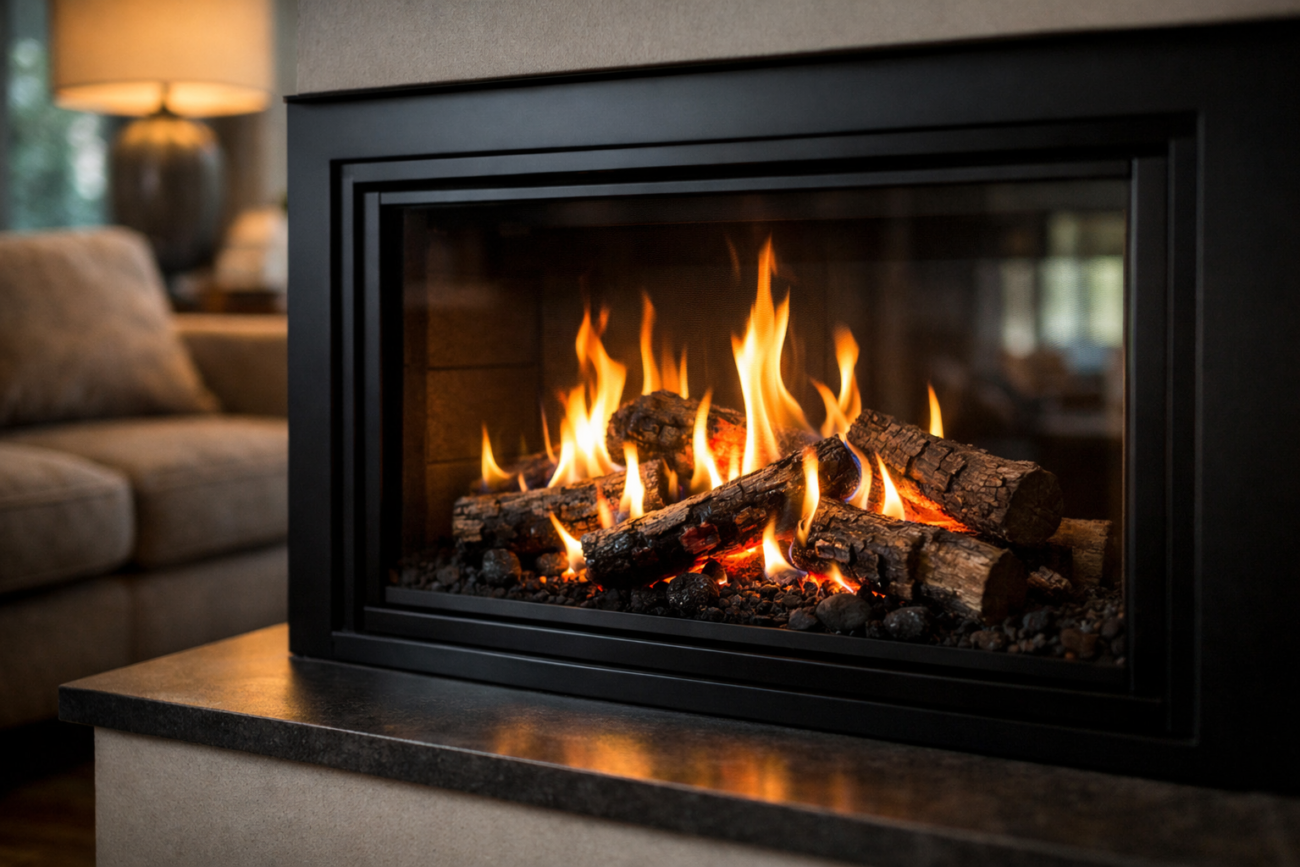
Looking to upgrade your old fireplace without the mess of wood? Gas fireplace inserts offer the warmth and ambiance you want with none of the hassle. These modern heating solutions transform drafty, inefficient fireplaces into powerful heat sources that can warm your entire home while slashing your heating bills.
The best gas fireplace inserts of 2026 combine cutting-edge efficiency with realistic flame technology that’s practically indistinguishable from a real wood fire. Whether you’re dealing with a poorly insulated older home or just want supplemental heat that doesn’t require constant attention, gas fireplace inserts deliver consistent warmth at the push of a button. After researching dozens of models and consulting with installation professionals, I’ve identified the seven gas fireplace inserts that offer the best combination of heat output, efficiency, features, and value. You’ll find options for every budget, from compact units perfect for smaller spaces to powerhouse models that can heat 2,000 square feet or more.
Why Gas Fireplace Inserts Are Worth Considering in 2026
The heating landscape has changed dramatically over the past few years. Energy costs continue climbing, and homeowners are looking for efficient alternatives to central heating systems that waste money warming unused rooms. Gas fireplace inserts address this problem head-on.
Unlike traditional wood-burning fireplaces that lose up to 90% of their heat up the chimney, modern gas fireplace inserts achieve efficiency ratings between 70% and 85%. That’s a game-changer for anyone tired of watching their heating dollars literally go up in smoke. The EPA reports that upgrading from an old fireplace to an efficient insert can reduce heating costs by 30% to 50% in rooms where the insert is used as the primary heat source.
What makes gas fireplace inserts particularly appealing right now is the technology improvement. The flame patterns look incredibly realistic thanks to advanced burner systems and ceramic log sets. You get the cozy ambiance without the work of splitting wood, cleaning ashes, or dealing with smoke. Many of today’s models include smartphone controls, variable flame heights, and thermostatic operation that maintains your desired temperature automatically.
Installation has also become more straightforward. While you’ll still need a professional (and should check your wood stove insurance requirements since similar rules often apply), most gas fireplace inserts fit standard fireplace openings and connect to existing gas lines. According to the Hearth, Patio & Barbecue Association, installation typically takes 4-6 hours for a standard setup.
What to Look for When Choosing Gas Fireplace Inserts
Before we get into specific models, let’s talk about what separates exceptional gas fireplace inserts from mediocre ones. These factors make a real difference in daily use.
Heating Capacity and BTU Output
The BTU (British Thermal Unit) rating tells you how much heat the insert produces. Most gas fireplace inserts range from 20,000 to 40,000 BTUs. Here’s what that means in practical terms:
- 20,000-25,000 BTUs: Heats 800-1,200 square feet
- 25,000-35,000 BTUs: Heats 1,200-1,800 square feet
- 35,000-40,000+ BTUs: Heats 1,800-2,500 square feet
Don’t just chase the highest BTU number, though. An oversized insert in a small room will cycle on and off constantly, which wastes gas and wears out components faster. Match the BTU output to your actual heating needs.
Venting Options
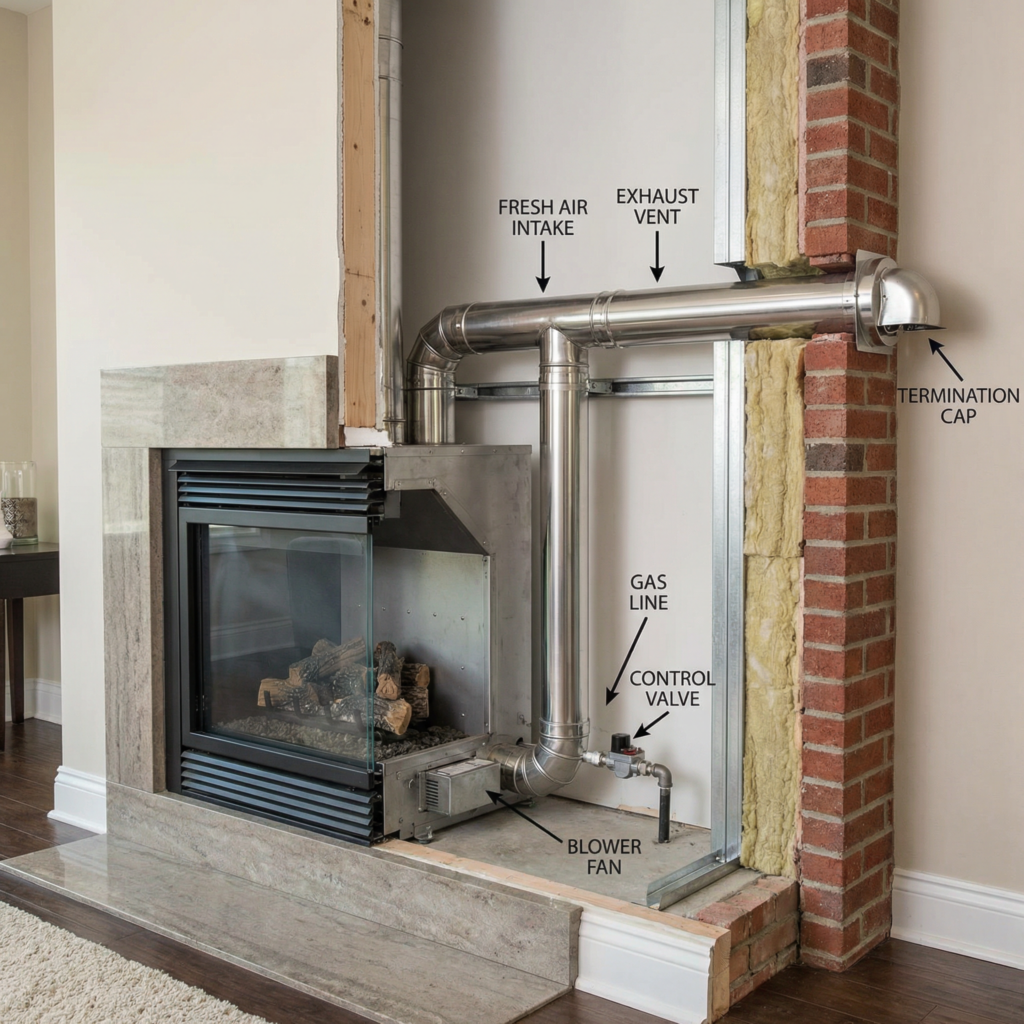
Gas fireplace inserts come in three venting configurations, and your home’s structure often determines which type you need:
- Direct vent models are the most common and versatile. They use a two-pipe system that draws combustion air from outside and exhausts gases directly out through an exterior wall or roof. These work in most homes and don’t affect indoor air quality.
- Ventless (vent-free) models don’t require any venting, which makes installation simpler and less expensive. However, they’re banned in some states and municipalities due to indoor air quality concerns. They also must include oxygen depletion sensors and can’t exceed certain BTU limits. The Consumer Product Safety Commission recommends caution with ventless units in tightly sealed homes.
- Natural vent models use your existing chimney but are less efficient than direct vent options. They’re becoming less common as direct vent technology improves.
Efficiency Ratings
Look for gas fireplace inserts with Annual Fuel Utilization Efficiency (AFUE) ratings of 75% or higher. The highest-efficiency models reach 85% or more. Every percentage point matters when you’re heating regularly. A 75% efficient insert means 75 cents of every dollar spent on gas actually heats your home, while the rest goes up the vent.
Similar to how you’d research wood stove efficiency, comparing fuel costs matters. Natural gas prices vary by region, but the U.S. Energy Information Administration tracks national averages that can help you calculate operating costs.
Control Options and Features
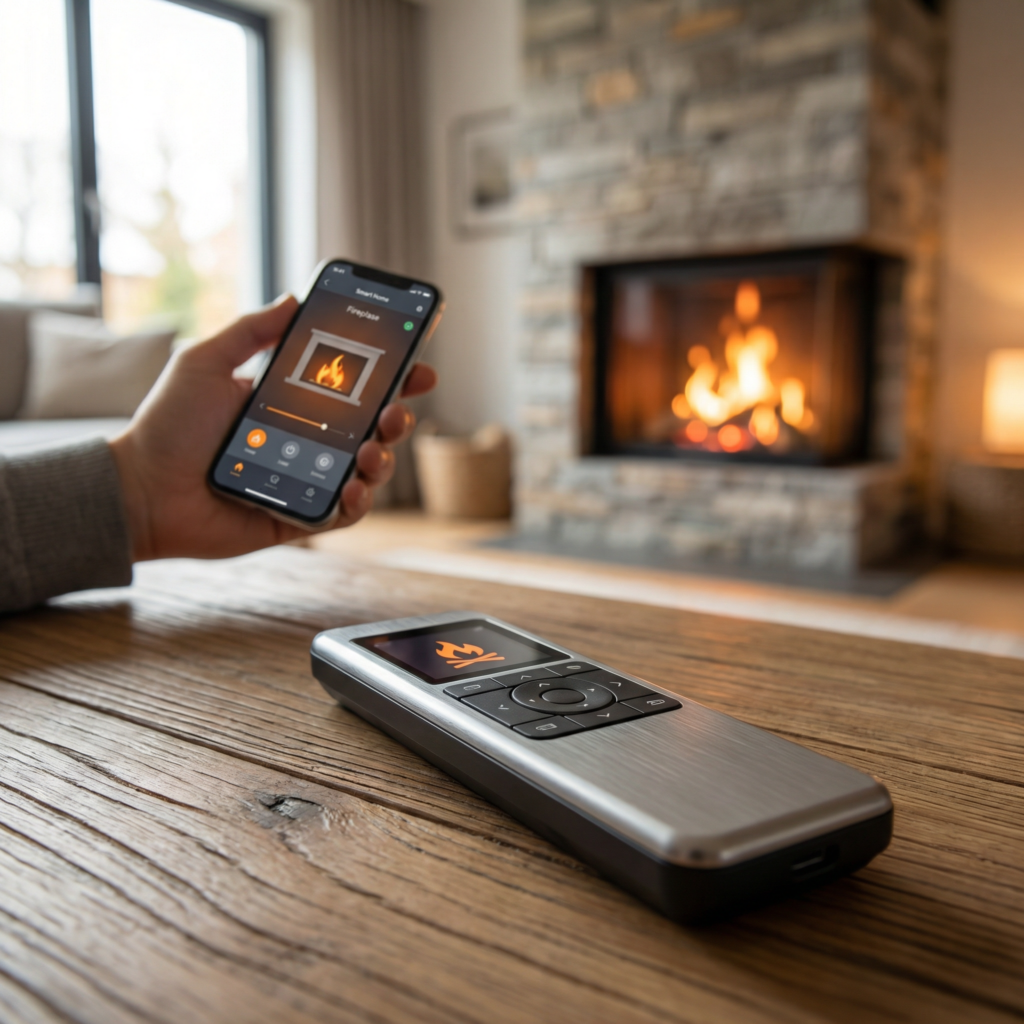
Basic models use manual controls or simple wall switches. Mid-range gas fireplace inserts add remote controls and thermostatic operation. Premium models include:
- Smartphone app control
- Voice assistant integration (Alexa, Google Home)
- Programmable schedules
- Variable flame height adjustment
- Accent lighting controls
- Battery backup for power outages
These features aren’t just conveniences. Thermostatic control, in particular, can reduce gas consumption by 15-20% compared to manual operation because the insert maintains your set temperature instead of running continuously.
Build Quality and Warranty Coverage
Check the warranty carefully. Quality manufacturers offer:
- Limited lifetime warranty on the firebox
- 5-10 years on major components (burner, logs, controls)
- 1-2 years on electronic parts
Avoid gas fireplace inserts with warranties shorter than 5 years, which often indicate cheaper construction that won’t last.


Top 7 Best Gas Fireplace Inserts of 2026
After evaluating dozens of models based on efficiency, heat output, features, reliability, and value, these seven gas fireplace inserts stand out from the competition. I’ve included options for different budgets and heating needs so you can find the right fit.
1. Napoleon Inspiration ZC Direct Vent Gas Fireplace Insert
The Napoleon Inspiration ZC earns the top spot for good reason. This direct vent gas fireplace insert combines exceptional heating performance with features you won’t find on competitors at this price point.
Heat output reaches 40,000 BTUs, enough to comfortably heat spaces up to 2,200 square feet. The efficiency rating hits 82%, which means you’re not wasting money on gas that doesn’t translate to warmth. What really sets this model apart is the flame presentation. Napoleon’s PHAZER log set and burner system creates incredibly realistic flames with glowing embers that look nearly identical to a wood fire.
The electronic ignition system lights reliably every time, and the unit includes both remote control and wall switch operation. You can adjust flame height independently from heat output, which lets you maintain ambiance on warmer days without overheating the room. The ceramic glass front stays remarkably clean thanks to the airwash system that directs air across the glass surface.
Installation flexibility is another advantage. The Inspiration ZC fits fireplace openings from 36 to 42 inches wide, and the direct vent can run horizontally through an exterior wall or vertically through the roof. Napoleon backs this insert with a limited lifetime warranty on the firebox and 5 years on components.
At around $3,200-$3,600 before installation, it’s not cheap. But you’re getting a gas fireplace insert that’ll perform flawlessly for decades. Homeowners who’ve made this investment consistently report lower heating bills and note that guests can’t tell it’s not burning real wood.
2. Regency Liberty L234 Small Direct Vent Insert
Not everyone needs massive heat output. The Regency Liberty L234 proves that smaller gas fireplace inserts can still deliver impressive performance. This compact unit fits fireplace openings as small as 22 inches wide, making it perfect for apartments, condos, or smaller rooms.
Don’t let the size fool you. The L234 produces 21,000 BTUs and achieves 74% efficiency, which effectively heats 900-1,100 square feet. That’s more than enough for most bedrooms, home offices, or living rooms. The contemporary design includes your choice of traditional logs or modern glass media, so it works with different decor styles.
The viewing area maximizes the compact footprint, giving you a surprisingly large flame display for the unit’s size. Regency’s ceramic fiber log set looks authentic, and the variable flame control lets you set the perfect ambiance. The electronic ignition includes battery backup, so you maintain heat even during power outages (a feature worth considering based on your off-grid heating needs).
Installation costs run lower than larger inserts because the L234 requires less extensive venting work. The direct vent system can terminate through an exterior wall with minimal modification to your existing fireplace. Professional installation typically adds $1,200-$1,800 to the $2,100-$2,400 unit cost.
The Liberty L234 is ideal if you’re working with limited space or want to add supplemental heat to a specific area without the expense of a whole-house system. It’s also a smart choice for rental properties where you want to upgrade heating without a massive investment.
3. Enviro E33 Direct Vent Gas Fireplace Insert
The Enviro E33 hits the sweet spot between performance and affordability. This mid-sized direct vent gas fireplace insert provides 33,000 BTUs of heating capacity with an impressive 78% efficiency rating, handling spaces up to 1,600 square feet without breaking a sweat.
What makes the E33 special is the attention to detail. The PHAZER log set includes hand-painted logs that capture the texture and color variation of real wood. The flame pattern mimics the random movement of a wood fire rather than the predictable flame shapes on cheaper inserts. You also get glowing ember beds that pulse naturally, creating ambiance that actually relaxes instead of feeling artificial.
The convection fan system deserves mention. Unlike basic models that rely on radiant heat alone, the E33’s fan circulates warm air throughout the room, distributing heat more evenly and reducing hot spots near the fireplace. You can operate the fan separately from the flames, which extends the heating period after you’ve turned down the gas.
Control options include a remote with thermostatic operation, or you can upgrade to smartphone control through Enviro’s app. The thermostat maintains your set temperature within 2 degrees, cycling the flames up or down as needed. This precise control reduces gas consumption compared to leaving the insert running at a constant level.
Enviro covers the E33 with a 10-year warranty on major components and lifetime coverage on the firebox. Customer service has an excellent reputation for handling warranty claims quickly. At $2,600-$2,900 for the insert, the E33 represents solid value for homeowners who want quality without paying premium prices.
4. Mendota FV46 Decor Fullview Direct Vent Insert
If you want the absolute best flame presentation money can buy, the Mendota FV46 Decor delivers. This premium gas fireplace insert prioritizes aesthetics without sacrificing heating performance, making it perfect for homes where the fireplace serves as a visual focal point.
The Fullview design extends the viewing area nearly to the edges of the firebox, creating an expansive flame display that dominates the room. Mendota’s patented burner technology produces tall, dancing flames that fill the entire firebox rather than concentrating in the center. The result looks so realistic that you’ll find yourself checking to make sure there’s no actual wood burning.
Heat output reaches 35,000 BTUs with 80% efficiency, comfortably heating 1,500-1,900 square feet. The ceramic glass stays clear thanks to an advanced airwash system that outperforms cheaper alternatives. You can choose from multiple log sets, reflective panels, and decorative media to customize the appearance exactly to your preferences.
The control system includes everything: remote operation, wall switch compatibility, and optional smartphone integration. Variable speed blower adjusts heat distribution, and the standing pilot option provides heat during power outages (similar considerations apply as with wood stove venting during emergencies).
Premium quality comes at a premium price. The FV46 Decor runs $4,200-$4,800 before installation, placing it at the higher end of the market. But you’re paying for American manufacturing, superior components, and a limited lifetime warranty. Homeowners who choose Mendota report zero regrets and frequently mention that the insert becomes a conversation piece.
This gas fireplace insert makes sense if your fireplace is a primary design element in your main living space and you want performance that matches high-end construction.
5. Kingsman IDV33 Direct Vent Gas Insert
The Kingsman IDV33 delivers professional-grade features at a surprisingly accessible price point. This direct vent gas fireplace insert produces 30,000 BTUs with 76% efficiency, providing enough heat for spaces up to 1,400 square feet while keeping operating costs reasonable.
Kingsman focuses on practical features that matter in daily use. The electronic ignition system includes battery backup for operation during outages. The variable flame height adjusts independently from heat output, so you can enjoy a full flame on low heat or vice versa depending on the season. The convection blower includes a rheostat control that lets you fine-tune fan speed rather than choosing between simple high and low settings.
The log set quality exceeds what you’d expect in this price range. Hand-painted ceramic fiber logs include char marks and bark texture that photograph well and look authentic from across the room. The ember bed includes multiple colors that glow naturally as the burner heats up.
Installation costs tend to run lower with Kingsman gas fireplace inserts because they’re designed to fit standard fireplace openings without custom modifications. The direct vent system accommodates both horizontal and vertical termination, and the flexible liner works with most chimney configurations. Professional installers familiar with the brand can typically complete installation in a single day.
At $2,200-$2,600 for the insert, the IDV33 represents excellent value. The 7-year warranty on components and lifetime coverage on the heat exchanger provide peace of mind. Customer reviews consistently praise reliability and note that the insert performs as well after 5+ years as it did when new.
Choose the Kingsman IDV33 if you want dependable heating without unnecessary complexity or expense. It’s an honest product that does exactly what it promises.
6. Valor Legend G4 Insert Series
Valor gas fireplace inserts have earned a reputation for innovation, and the Legend G4 Insert continues that tradition. This direct vent model stands out for its HeatShift system, which redirects heat to adjacent rooms through optional ducting. If you’ve ever wished your fireplace could heat more than just the room it’s in, this solves that problem.
The Legend G4 produces 38,000 BTUs with an impressive 84% efficiency rating, ranking among the most efficient gas fireplace inserts available. That efficiency translates directly to lower operating costs, which matters when you’re using the insert as a primary heat source for several months each year.
The flame presentation uses Valor’s exclusive burner technology that creates three-dimensional flames with depth and movement. You can choose between traditional log sets or contemporary designs with crushed glass media. The intermittent pilot ignition saves gas by only running when the system needs to light, unlike standing pilots that consume fuel continuously.
Control options include the standard remote and thermostat, but Valor offers an interesting upgrade: the Comfort Control system. This learns your heating preferences and automatically adjusts operation to maintain comfort while minimizing gas use. After a few weeks, it anticipates when you’ll want heat and pre-warms the space.
The HeatShift system deserves special mention. By ducting warm air to up to two additional rooms, you can effectively heat 2,000+ square feet from a single insert. Installation requires running ducts through walls or floors, which adds to installation costs but dramatically extends the heating range.
Pricing runs $3,600-$4,200 depending on options selected. The investment makes sense if you plan to use the insert as primary heat for multiple rooms rather than just supplemental warmth in one space. Valor backs the Legend G4 with a limited lifetime warranty on the firebox and 10 years on components.
7. Marquis Capella Direct Vent Insert
The Marquis Capella rounds out our list as the best budget-friendly option that doesn’t sacrifice essential features. This direct vent gas fireplace insert proves you don’t need to spend $4,000 to get reliable heat and decent flame presentation.
At 28,000 BTUs with 73% efficiency, the Capella handles heating needs for spaces up to 1,300 square feet. The ceramic fiber log set looks good, though it doesn’t match the realism of premium models. The flames are attractive and the ember bed glows convincingly, creating adequate ambiance for most homeowners.
What you get for the money includes electronic ignition, remote control operation, and a variable speed blower. The thermostat maintains your set temperature, and the system includes a comfort timer that automatically adjusts heat output over the course of the evening. These features often cost extra on competing budget models.
Installation tends to be straightforward because Marquis designs their gas fireplace inserts to work with standard fireplace dimensions. The direct vent system terminates horizontally through an exterior wall in most installations, keeping costs down. You’ll still need professional installation (similar to wood stove installation requirements), but labor costs typically run $200-$400 less than premium models that require extensive customization.
The Capella sells for $1,800-$2,200, making it accessible for homeowners who want to upgrade from an inefficient fireplace without breaking the bank. Marquis provides a 5-year warranty on components and lifetime coverage on the heat exchanger, which is reasonable for this price point.
This insert makes sense if you need supplemental heat in one room, want the convenience of gas operation, and don’t need cutting-edge features. It’s honest about what it offers and delivers solid performance for the money.


Gas Fireplace Insert Installation Considerations
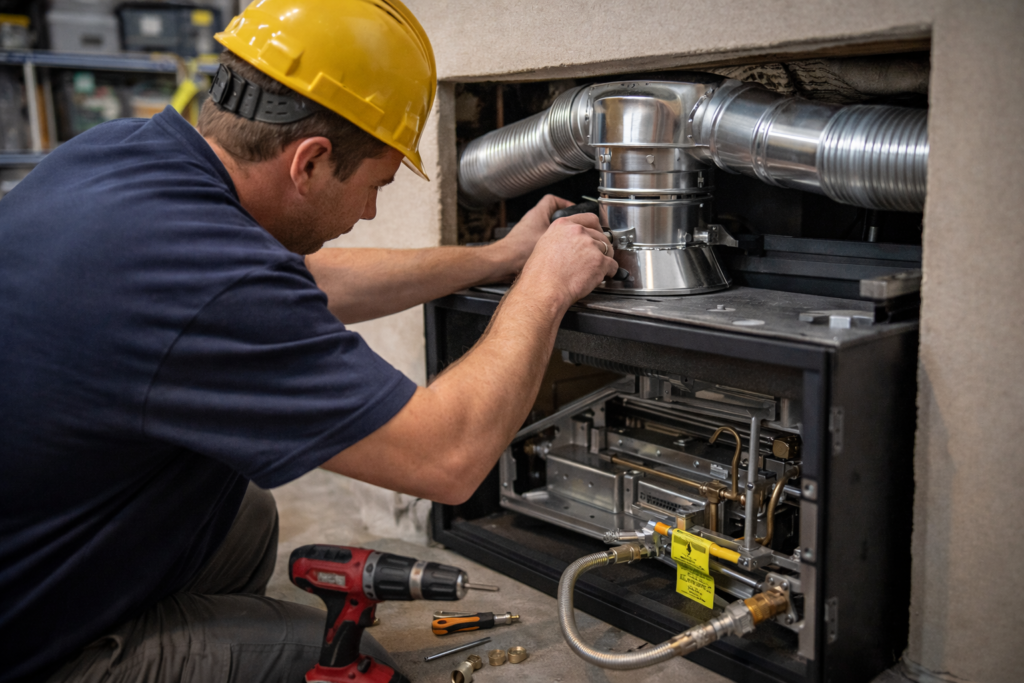
Even the best gas fireplace inserts won’t perform properly without correct installation. This isn’t a DIY project unless you’re a licensed gas technician. The work involves gas lines, venting systems, and local building codes that vary by jurisdiction.
Professional installation typically costs $1,500-$3,500 depending on complexity. Factors that affect price include:
- Distance from gas line to fireplace
- Venting configuration (horizontal wall termination vs. vertical through roof)
- Chimney liner requirements
- Local permit costs
- Removal and disposal of existing fireplace components
Get at least three quotes from licensed installers who specialize in gas fireplace inserts. The lowest bid isn’t always the best choice. Ask about their experience with your specific brand and model, whether they pull permits, and how they handle warranty work if problems arise.
Permits are required in most jurisdictions. The International Code Council sets standards that local codes typically reference. Inspectors will verify proper venting, adequate combustion air supply, correct gas line sizing, and appropriate clearances to combustible materials. Skipping permits might save money upfront but creates liability issues and can void your warranty.
The existing chimney condition matters more than most people realize. Gas fireplace inserts produce cooler exhaust than wood fires, which can cause condensation in unlined masonry chimneys. Most installations require a stainless steel liner that runs from the insert to the chimney cap. This adds $500-$1,200 to installation costs but prevents moisture damage to the chimney structure.
Factor in annual maintenance too. Gas fireplace inserts need professional service every 1-2 years to clean the burner, inspect the venting system, and verify safe operation. Service calls typically run $150-$250, though catching small problems early prevents expensive repairs later.
Efficiency Comparison and Operating Cost Analysis
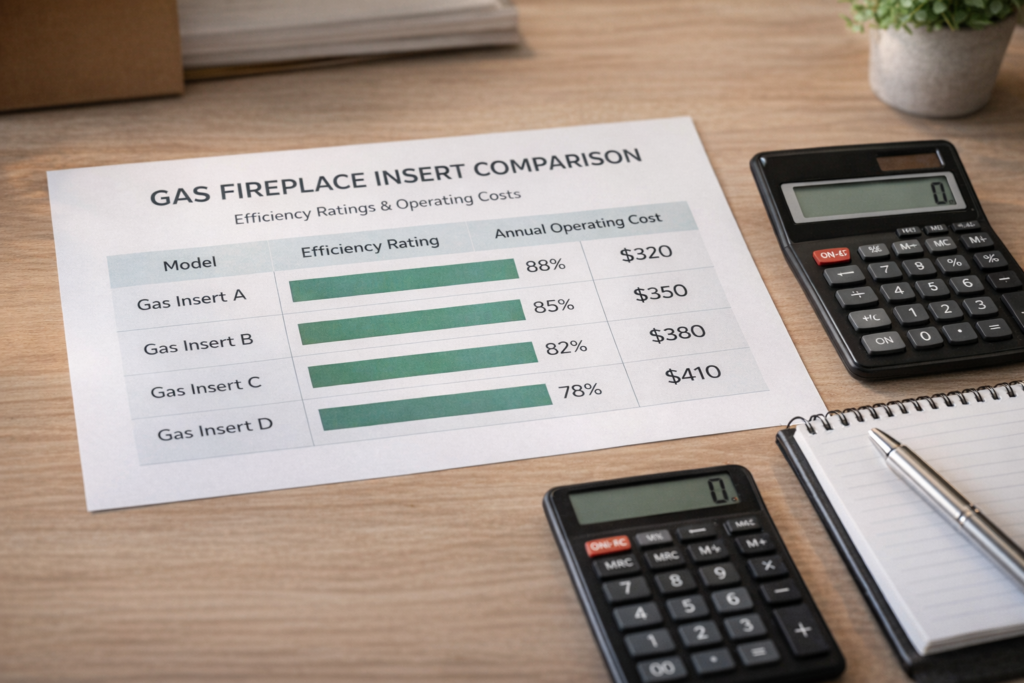
Understanding the real operating costs of gas fireplace inserts helps you make a smarter buying decision. Let’s break down what you’ll actually spend on gas over a heating season.
Here’s a comparison table showing estimated monthly operating costs for each insert running 8 hours per day:
| Model | BTU Output | Efficiency | Gas Use (therms/month) | Est. Monthly Cost* |
|---|---|---|---|---|
| Napoleon Inspiration ZC | 40,000 | 82% | 117 | $140 |
| Regency Liberty L234 | 21,000 | 74% | 68 | $82 |
| Enviro E33 | 33,000 | 78% | 101 | $121 |
| Mendota FV46 Decor | 35,000 | 80% | 105 | $126 |
| Kingsman IDV33 | 30,000 | 76% | 95 | $114 |
| Valor Legend G4 | 38,000 | 84% | 108 | $130 |
| Marquis Capella | 28,000 | 73% | 92 | $110 |
*Based on national average natural gas price of $1.20 per therm

These numbers assume continuous operation at maximum output, which rarely happens in real-world use. With thermostatic control, actual consumption typically runs 40-60% lower because the insert cycles based on room temperature rather than running constantly.
The efficiency difference between a 73% insert and an 84% insert might seem small, but it compounds over years of operation. Over a 15-year lifespan, the more efficient unit saves enough on gas to offset a higher purchase price.
Propane users should note that propane contains more BTUs per gallon than natural gas, but typically costs 2-3 times more per BTU. The same insert running on propane might cost $250-$350 monthly at current propane prices. This makes efficiency ratings even more critical if you’re using propane.
Compare these costs to your current heating expenses. Many homeowners find that using a gas fireplace insert to heat the main living space while keeping the central heat lower in unused rooms reduces overall heating costs by 20-30%. The exact savings depend on your home’s insulation, climate, and heating patterns.
Maintenance Requirements for Long-Term Performance
Gas fireplace inserts require less maintenance than wood stoves, but they’re not entirely maintenance-free. Following a regular service schedule keeps your insert running efficiently and safely for decades.
Annual Professional Service
Schedule professional service every fall before heating season starts. A qualified technician should:
- Clean the burner assembly and pilot
- Inspect the log set for damage or deterioration
- Check the venting system for blockages or deterioration
- Test the ignition system and safety sensors
- Verify proper gas pressure at the unit
- Clean the glass and check the gasket seal
- Test the blower motor and lubricate if necessary
- Inspect electrical connections
This service runs $150-$250 but prevents the majority of problems that cause expensive repairs. More importantly, it ensures safe operation. Faulty gas appliances can produce carbon monoxide, which is why you should always maintain working CO detectors near gas fireplace inserts.
Regular Owner Maintenance
Between professional services, you can handle basic maintenance:
Every month during heating season:
- Clean the glass with appropriate fireplace glass cleaner (not ammonia-based products)
- Vacuum dust from the blower intake and louvers
- Test the remote control batteries
- Visually inspect the log set for any shifting or damage
Before each heating season:
- Test the ignition system
- Verify the blower operates smoothly
- Check that all controls respond properly
- Inspect visible portions of the vent pipe for damage or disconnection
Every 2-3 years:
- Replace the log set if it shows significant deterioration
- Replace the glass if it develops permanent haze or cracks
- Have the chimney liner inspected by a professional
Most manufacturer warranties require annual professional service to remain valid. Keep receipts and service records in case you need warranty work.
Common Problems and Troubleshooting Tips
Even quality gas fireplace inserts occasionally develop issues. Knowing how to troubleshoot basic problems saves service calls for simple fixes.
Insert Won’t Light
Check the pilot light first. If it’s out, relight following the manufacturer’s instructions. Most models have a lighting procedure that involves holding the pilot button while pressing the igniter several times. If the pilot lights but won’t stay lit, the thermocouple or thermopile might need replacement.
No gas at all? Verify the main gas valve is fully open and check that you have gas service to the house. Sometimes people shut the valve when cleaning and forget to reopen it.
Flames Look Yellow or Orange Instead of Blue
This usually indicates incomplete combustion due to a dirty burner or incorrect air mixture. Turn off the insert and contact a service technician. Yellow flames can produce carbon monoxide and shouldn’t be ignored.
Blower Won’t Turn On
Most inserts include a thermal sensor that activates the blower once the firebox reaches operating temperature. This delay is normal and protects the fan from damage. If the blower never turns on even after 15-20 minutes, check the manual override switch if your model has one. A failed thermal sensor or blower motor requires professional repair.
Glass Stays Dirty or Develops Film
The airwash system might not be working properly, or you’re running the flames too low. Try operating at a higher flame setting for a few hours to burn off deposits. Persistent problems suggest a venting issue that needs professional attention.
Pilot Goes Out Frequently
This often indicates a drafty chimney pulling the pilot flame away from the thermocouple. A weak thermocouple signal will shut off gas as a safety measure. Other causes include a faulty thermocouple, incorrect gas pressure, or debris in the pilot assembly. Have a technician diagnose and fix the root cause rather than repeatedly relighting the pilot.
None of these problems should tempt you to disable safety features or attempt repairs beyond basic maintenance. Gas appliances require proper training to service safely. Issues that seem minor can create dangerous situations if handled incorrectly.
FAQ: Best Gas Fireplace Inserts
How much does it cost to run gas fireplace inserts daily?
Operating costs depend on gas prices in your area and how long you run the insert, but most homeowners spend $80-$140 per month running an insert 6-8 hours daily. Natural gas costs average $1.20 per therm nationally, though rates vary significantly by region. A 30,000 BTU insert at 75% efficiency uses about 3 therms during 8 hours of operation, costing roughly $3.60 per day. Thermostatic control reduces actual consumption by 40-50% since the insert cycles on and off to maintain temperature rather than running continuously.
Can gas fireplace inserts work during power outages?
Many gas fireplace inserts can operate during power outages if they have battery backup for the electronic ignition or use a standing pilot system. However, the convection blower requires electricity, so you’ll only get radiant heat from the fireplace itself without the fan circulating warm air. Models with standing pilots provide the most reliable outage heating since they don’t depend on electronic ignition systems. Some premium inserts include millivolt systems that generate their own electricity from the pilot flame, allowing full operation without external power.
What’s the difference between direct vent and ventless gas fireplace inserts?
Direct vent gas fireplace inserts use a sealed combustion system that draws air from outside for burning and exhausts combustion gases directly outside through a two-pipe system. They don’t affect indoor air quality and are legal everywhere. Ventless inserts burn gas without venting to the outside, making installation simpler but raising indoor air quality concerns. Many states and cities ban ventless units, and they must include oxygen depletion sensors for safety. Direct vent models cost more upfront but offer better safety and broader legal acceptance.
How long do gas fireplace inserts typically last?
Quality gas fireplace inserts last 15-25 years with proper maintenance, and some components like the firebox often carry lifetime warranties. The burner assembly, logs, and electronics typically need replacement every 10-15 years depending on use frequency. Annual professional service significantly extends lifespan by catching small problems before they cause major failures. Budget models might only last 10-12 years before requiring extensive repairs, while premium brands often operate flawlessly for two decades or more.
Do I need a chimney liner for installing gas fireplace inserts?
Most installations require a stainless steel chimney liner to safely vent combustion gases, even if you have an existing masonry chimney. Gas produces cooler, moisture-laden exhaust that can condense inside unlined chimneys, causing deterioration and potential carbon monoxide backdrafting. Direct vent installations through an exterior wall don’t use the chimney at all and don’t need a liner. Local building codes determine specific requirements, and professional installers can assess your situation during the quote process.
Can gas fireplace inserts heat an entire house?
Gas fireplace inserts can heat entire homes if properly sized and located, though effectiveness depends on home layout and insulation quality. A 35,000-40,000 BTU insert can heat 1,800-2,200 square feet in open floor plans with good insulation. Multi-level homes or layouts with many closed-off rooms present challenges since heat doesn’t circulate well through doorways and stairwells. Some models like the Valor Legend G4 include ducting systems that direct heat to adjacent rooms, expanding effective heating range. Most homeowners use inserts for zone heating, warming main living areas while keeping thermostats lower in unused spaces.
Are gas fireplace inserts more efficient than wood stoves?
Modern gas fireplace inserts achieve 75-85% efficiency compared to EPA-certified wood stoves that typically rate 70-78% efficient, giving gas a slight edge. However, the fuel cost comparison matters more than efficiency ratings alone. Wood costs less per BTU in areas where firewood is abundant, while natural gas is cheaper in urban areas with good distribution infrastructure. Gas offers convenience and cleaner operation without ash disposal or wood storage, but wood stoves provide heat during gas outages and don’t depend on utility service. The best choice depends on your specific situation, priorities, and available fuel sources.
Making Your Final Decision
Choosing among these seven gas fireplace inserts comes down to your specific needs, budget, and heating goals. Let’s recap the standout features of each model:
- Best overall: Napoleon Inspiration ZC delivers premium features, exceptional efficiency, and realistic flames for serious heating performance.
- Best for small spaces: Regency Liberty L234 proves compact inserts can still provide impressive heat in a smaller footprint.
- Best value: Enviro E33 balances price and performance with quality construction and excellent warranty coverage.
- Best flame presentation: Mendota FV46 Decor creates the most realistic fire with an expansive viewing area.
- Best practical features: Kingsman IDV33 includes thoughtful touches like variable fan speed and quality components at a fair price.
- Most efficient: Valor Legend G4 achieves 84% efficiency and can heat multiple rooms with optional ducting.
- Best budget option: Marquis Capella delivers reliable heat and essential features without premium pricing.
Consider how you’ll actually use the insert. If it’s the primary heat source for your main living area through winter, invest in higher efficiency and BTU output. For supplemental heat or ambiance in a room that already has adequate heating, you can save money on a smaller or less feature-rich model.
Don’t forget to factor in installation costs and annual operating expenses. A cheaper insert with lower efficiency might cost more over its lifespan than a premium model that uses less gas. Run the numbers based on your local gas prices and expected usage.
Whatever you choose, proper installation and regular maintenance protect your investment. Work with qualified professionals for installation and service, follow the manufacturer’s maintenance recommendations, and address problems promptly rather than letting small issues become major repairs.
Gas fireplace inserts offer the perfect combination of convenience, efficiency, and ambiance for modern homeowners who want warmth without the work of traditional fireplaces. Any of these seven models will serve you well if matched correctly to your heating needs and space requirements.
