
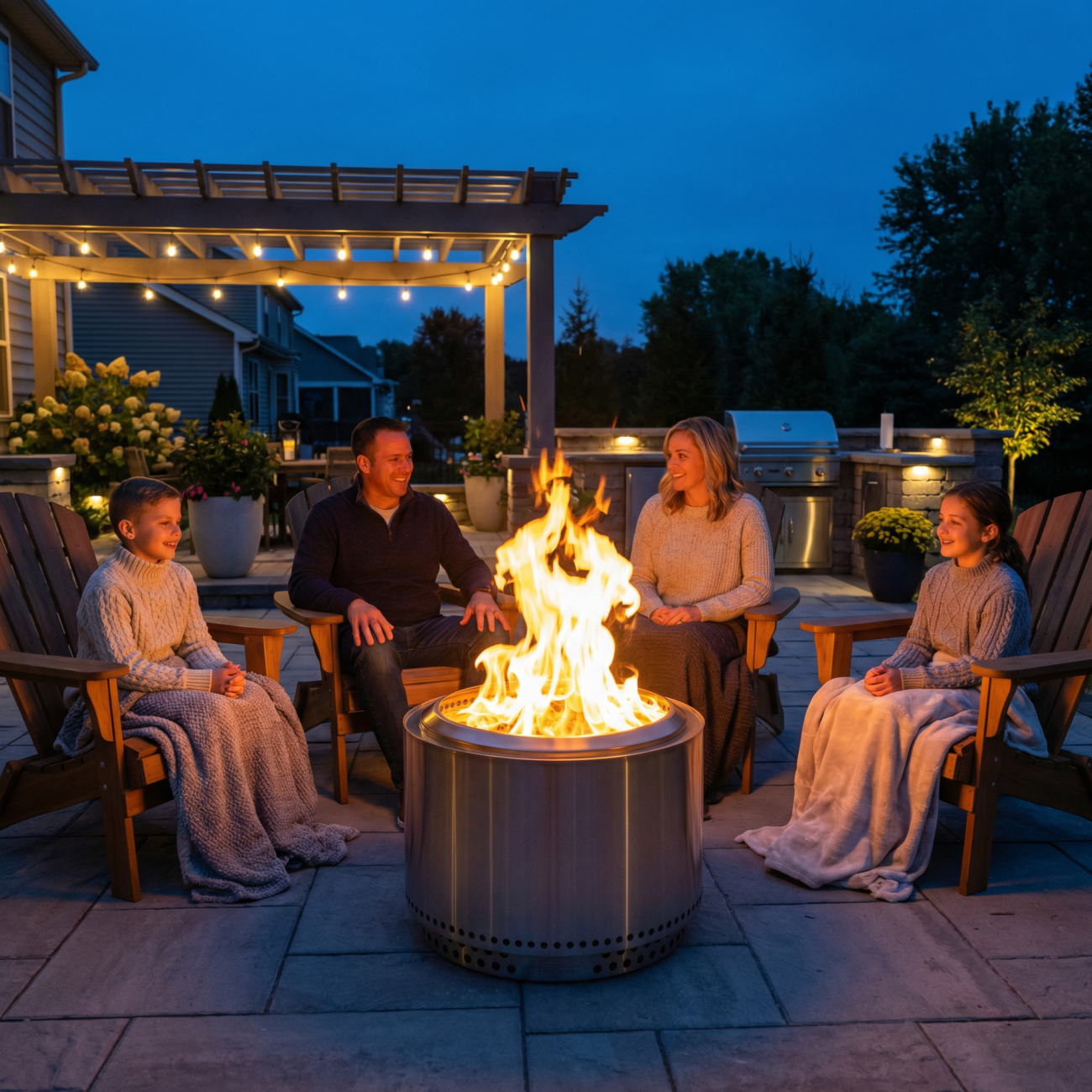
You know that feeling when you’re sitting around a traditional fire pit and the smoke follows you no matter where you move? I’ve spent countless evenings dodging smoke clouds, my eyes watering and clothes reeking of campfire smell for days afterward. That was until I discovered the smokeless fire pit and realized outdoor gatherings didn’t have to be that way.
A smokeless fire pit uses advanced double-wall construction and strategic airflow design to burn wood so efficiently that it produces 80-99% less smoke than traditional fire pits. Instead of smoke billowing into your face, these clever devices create a secondary combustion system that reburns smoke particles before they escape, giving you all the warmth and ambiance of a real fire without the annoying smoke.
In this guide, I’ll walk you through everything you need to know about choosing the best smokeless fire pit for your backyard in 2026. We’ll compare top models from Solo Stove, Breeo, Tiki, and other leading brands, explain exactly how this technology works, and help you decide which portable smokeless fire pit fits your outdoor living setup. Whether you’re looking for an eco-friendly fire pit for small patio evenings or a larger model for entertaining friends, you’ll find the answers you need right here.
What Makes a Smokeless Fire Pit Different
The first time someone told me about a smokeless fire pit, I was skeptical. How can fire not produce smoke? Turns out, they’re not claiming zero smoke, but they come pretty darn close through some seriously smart engineering.
Traditional fire pits let oxygen enter from the top, which keeps the fire burning but doesn’t achieve complete combustion. That incomplete burning creates all that smoke and particulate matter that makes outdoor fires less enjoyable. A smokeless fire pit changes the game by controlling airflow in a way that burns fuel far more thoroughly.
Here’s what sets them apart from your grandfather’s backyard fire ring.
Double-Wall Construction Technology
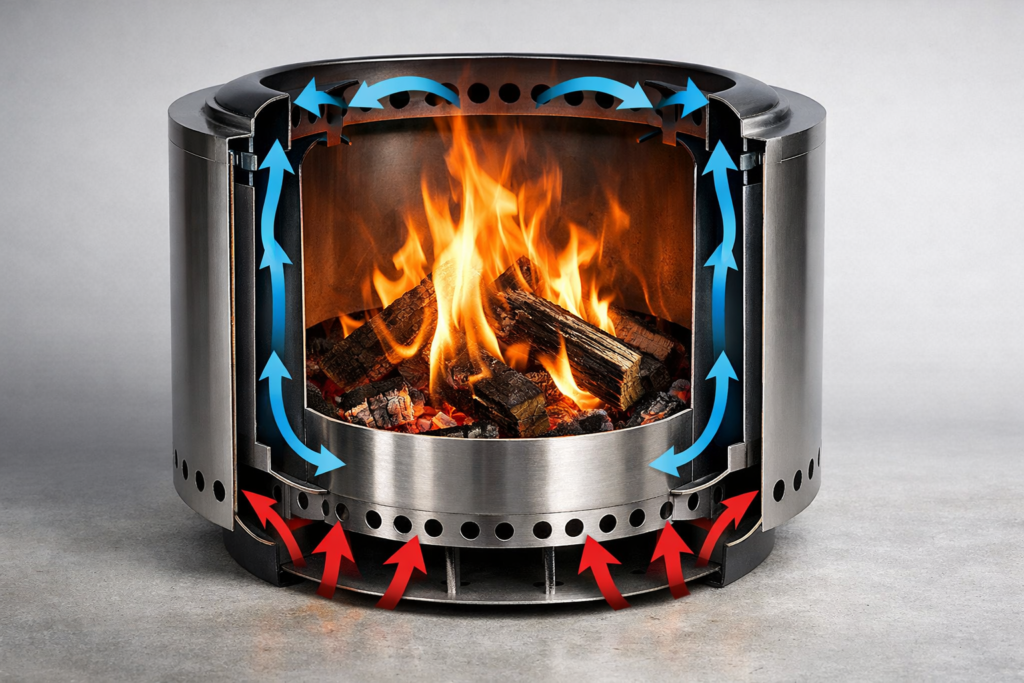
The secret sauce in every quality smokeless fire pit is its double-wall design. Think of it like an insulated coffee mug, but engineered for combustion efficiency rather than keeping your drink hot.
These fire pits feature two cylindrical walls with a gap between them. Cool air enters through vents at the bottom of the outer wall, travels upward through this gap, and gets superheated by the fire burning in the inner chamber. According to Breeo’s engineering specifications, this heated air can reach temperatures high enough to ignite smoke particles that would otherwise escape.
The preheated oxygen then exits through strategically placed holes around the rim of the inner wall, creating what engineers call secondary combustion. This process burns off smoke before it ever leaves the pit.
The Science of Secondary Combustion
Secondary combustion sounds complicated, but it’s actually pretty straightforward once you understand the basics. When wood burns in a primary fire, it releases gases and particles that we see as smoke. In a regular fire pit, these escape into the air. In a smokeless fire pit, they get a second chance to burn.
The U.S. Department of Energy recognizes secondary combustion as a key feature in modern efficient wood-burning systems. The superheated air from those double walls creates temperatures hot enough (often exceeding 1,000°F) to ignite these unburned particles.
What you end up with is a fire that burns at least 80% cleaner than traditional methods. Some manufacturers claim up to 99% smoke reduction, though I find real-world performance sits closer to 85-90% with proper fuel and technique.
Strategic Vent Placement Matters
Not all smokeless fire pits are created equal, and one big differentiator is vent design. I’ve tested models where the airflow just didn’t work right, either because vents were poorly sized or positioned incorrectly.
The best smokeless fire pit models feature vents that promote optimal oxygen supply without creating uneven burns or cold spots. Bottom vents pull in fresh air, while top vents near the rim inject that preheated oxygen right where the smoke is trying to escape.
Some advanced models like the BioLite FirePit+ even include battery-powered fans to control airflow precisely, though most rely on natural convection which works surprisingly well.
Best Smokeless Fire Pits in 2026
After burning through cords of firewood testing different models, I can tell you there’s a smokeless fire pit for just about every budget and backyard setup. Let’s break down the top performers this year.
Solo Stove Bonfire 2.0

The Solo Stove Bonfire 2.0 is pretty much the household name when it comes to smokeless fire pits. After using mine for two seasons, I understand why it’s so popular.
Performance and Design
This 19.5-inch diameter smokeless fire pit burns through wood efficiently while producing minimal smoke once the fire reaches full temperature. The removable ash pan makes cleanup easier than most competitors, which is something you’ll appreciate after a dozen fires.
Solo Stove’s signature 360-degree airflow creates those tall, mesmerizing flames that reach well above the rim. One thing to note, you’ll need to purchase the base stand separately, which feels like a nickel-and-dime move when you’re already dropping $300-400 on the fire pit itself.
Best For
The portable smokeless fire pit design works great for groups of 4-6 people. If you’re looking for something compact enough to move around your backyard but large enough for decent gatherings, this hits the sweet spot.
| Specification | Details |
|---|---|
| Diameter | 19.5 inches |
| Weight | 20 pounds |
| Material | 304 stainless steel |
| Price Range | $249-399 |
| Warranty | Lifetime |
Breeo X Series 24
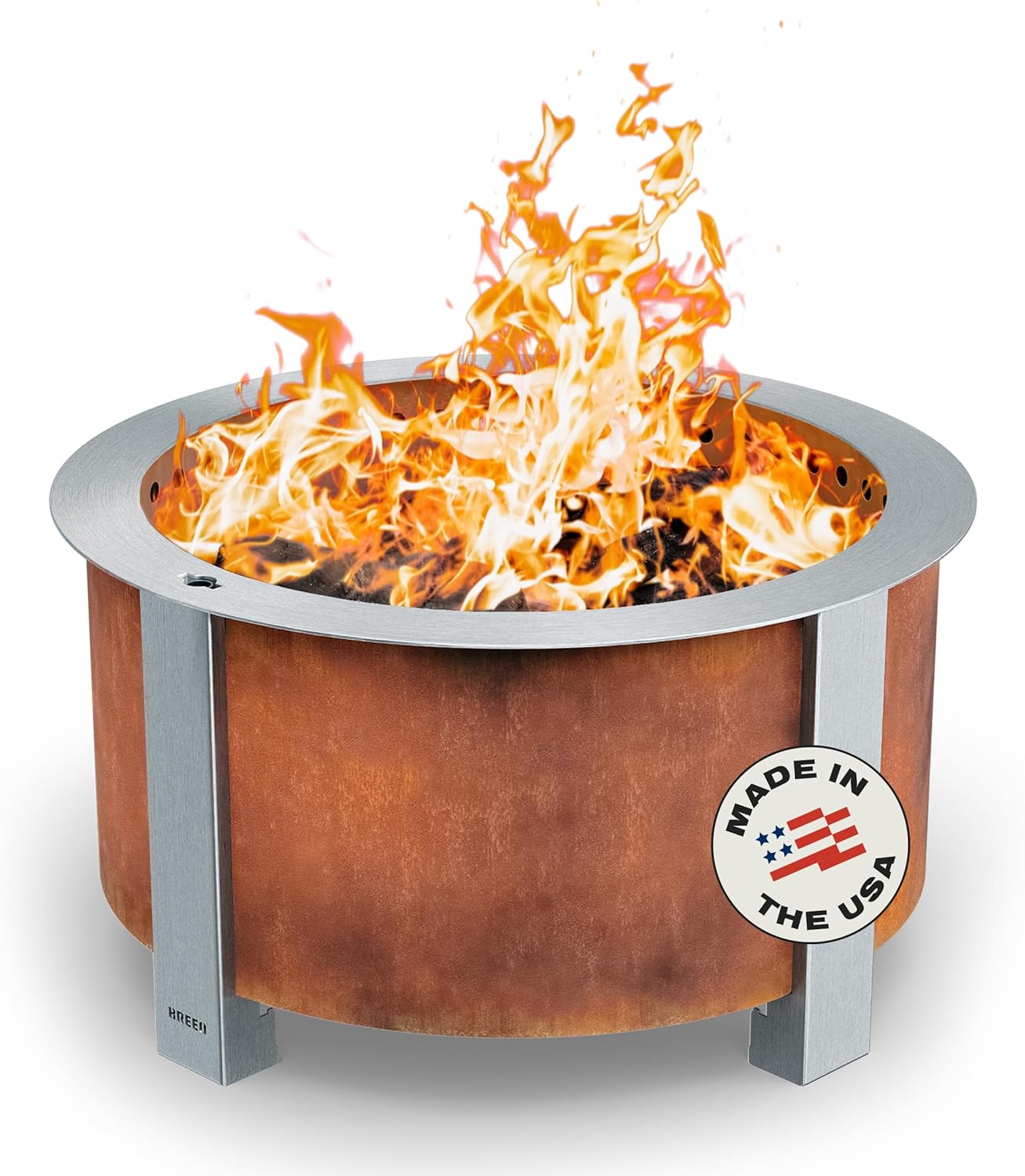
If the Solo Stove is the popular kid, the Breeo X Series is the one built to last generations. This thing weighs twice as much as most competitors, clocking in at 62 pounds of solid steel.
The Corten Steel Advantage
What makes this smokeless fire pit stand out is its corten steel construction option. This weathering steel develops a protective rust-like patina over time that actually shields the metal from further corrosion. It’s basically maintenance-free outdoor furniture that gets better looking with age.
The patented X-shaped air intake keeps logs elevated and allows oxygen to flow underneath. According to testing by Popular Mechanics, this design handles 18-20 inch logs easily and maintains flames 12-24 inches above the rim.
Cooking Capabilities
Unlike some smokeless fire pit models that discourage cooking, the Breeo X Series embraces it. You can add their outpost grill system or sear plate for legitimate outdoor cooking. I’ve grilled steaks over mine that rivaled anything from my gas grill.
| Specification | Details |
|---|---|
| Diameter | 24 inches |
| Weight | 62 pounds |
| Material | Stainless or corten steel |
| Price Range | $500-1,200 |
| Warranty | Lifetime |
Tiki Brand Reunion Smokeless

The Tiki pit takes a different approach than most smokeless fire pits. Its shallower bowl design means flames consistently crest above the rim, even with just a few logs burning.
Pellet-Friendly Design
What sets Tiki apart is how well it handles wood pellets. The included pellet burn bag makes starting fires ridiculously easy, igniting a full blaze in under five minutes. Each bag burns 30-45 minutes, perfect for shorter evening gatherings when you don’t want to commit to a full cord of wood.
The built-in stand and removable ash tray simplify setup and cleanup. According to CNN’s testing, cleanup takes about 30 seconds once everything’s cooled, just dump the ash tray and you’re done.
The Downside
At 43 pounds and a 24.75-inch diameter, this isn’t what I’d call a portable smokeless fire pit despite some marketing claims. It’s also pricier than Solo Stove when comparing similar sizes.
| Specification | Details |
|---|---|
| Diameter | 24.75 inches |
| Weight | 43 pounds |
| Material | Stainless steel |
| Price Range | $399-499 |
| Stand Included | Yes |
BioLite FirePit+
Here’s where things get interesting. The BioLite FirePit+ includes a battery-powered fan system that actively controls combustion rather than relying purely on natural convection.
Active Airflow Control
With 51 air jets powered by a rechargeable battery pack, you can dial in exactly how hot and how smokeless your fire burns. The BioLite smartphone app even lets you control fan speed remotely, which feels a bit silly until you’re adjusting the fire from your lawn chair.
The X-Ray mesh design allows you to see the fire from all angles instead of hiding it behind solid steel walls. This smokeless fire pit works with wood, charcoal, or pellets, making it genuinely versatile.
Battery Concerns
The 12,800 mAh battery lasts about 30 hours on low settings, but you’re dependent on keeping it charged. When the battery dies mid-burn, the fire pit still works but loses much of its smokeless advantage. Some users report battery degradation after a couple seasons.
| Specification | Details |
|---|---|
| Dimensions | 27 x 13 x 15.8 inches |
| Weight | 19.8 pounds |
| Fuel Types | Wood, charcoal, pellets |
| Price Range | $299-349 |
| Battery Life | Up to 30 hours |
Blue Sky Peak

For those watching their budget, the Blue Sky Peak delivers solid performance at half the price of premium brands. This 21.6-inch smokeless fire pit uses black alloy steel instead of stainless, keeping costs down while still providing good smoke reduction.
Testing by Consumer Reports found it handles both wood and pellets well, though pellets burn faster than in some competitors. The detachable base fits inside the firebox for transport, and the included shoulder strap carrying case makes this genuinely portable.
At 35 pounds, it’s light enough to move around your backyard setup without throwing out your back, yet substantial enough to feel stable and well-built.
| Specification | Details |
|---|---|
| Diameter | 21.6 inches |
| Weight | 35.27 pounds |
| Material | Black alloy steel |
| Price Range | $179-249 |
| Portability | Includes carry case |
Breeo Y Series

The newest entry from Breeo, the Y Series offers adjustable legs that transform it from compact storage (11 inches) to full burn mode (15 inches) to elevated cooking position (20 inches). This versatility makes it appealing for those who want one fire pit that does everything.
Like its bigger sibling, this smokeless fire pit burns wood, charcoal, and pellets. The 19-inch diameter works for 4-5 people, and at 31 pounds it’s reasonably portable with the built-in side handle.
What I appreciate most is the compatibility with Breeo’s extensive accessory lineup. The same cooking grates and accessories that work on the X Series fit the Y Series, giving you serious cooking capabilities when you want them.
| Specification | Details |
|---|---|
| Diameter | 19 inches (21 inches total) |
| Weight | 31 pounds |
| Heights | 11″, 15″, 20″ (adjustable) |
| Price Range | $399-499 |
| Fuel Types | Wood, charcoal, pellets |
Why You Actually Want a Smokeless Fire Pit
Let’s cut through the marketing hype and talk about real benefits. I’ve owned both traditional fire rings and smokeless fire pits, so I can tell you what actually matters.
No More Playing Musical Chairs
You know that old campfire saying, “smoke follows beauty”? It’s a nice way of saying everyone’s dodging smoke all night. With a properly burning smokeless fire pit, that nonsense stops. You can actually sit in one spot all evening without your eyes watering or coughing every few minutes.
Once the fire reaches operating temperature (usually 15-20 minutes after lighting), smoke production drops dramatically. I’ve had guests comment that they forgot we even had a fire going until they felt the heat, that’s how clean these burn.
Your Clothes Won’t Reek
Nothing ruins a nice outdoor evening like smelling like a campfire for the next three days. Traditional wood smoke permeates clothing fibers and just won’t quit. Since smokeless fire pits reduce emissions by 80-99%, you’ll actually be able to wear that jacket again without washing it first.
This matters more than you might think. I used to avoid wearing nice fleece or wool around fires because I knew it’d hold that smell forever. Not anymore.
Better for Your Neighbors
If you live in a suburban setting with houses close together, a smokeless fire pit backyard setup is practically mandatory. Traditional fire pits can send smoke drifting into neighbors’ yards and homes, which doesn’t exactly foster good relationships.
Many municipalities have ordinances about recreational burning and smoke nuisance. An eco-friendly fire pit that produces minimal smoke helps you stay compliant with local regulations while still enjoying outdoor fires. For those interested in other outdoor heating options, check out our complete guide on off grid cabin heating options.
Cleaner Burning Means Less Ash
The complete combustion process in a smokeless fire pit converts more of your fuel into heat rather than leaving it as ash and unburned particles. You’ll still need to clean out ash, but there’s noticeably less of it compared to traditional fire pits.
This efficiency also means you’re getting more heat from less wood. While fuel consumption varies by model and how you burn, most users report needing 20-30% less wood to maintain comparable heat output.
The Environmental Angle
Beyond the obvious benefit of breathing cleaner air yourself, smokeless fire pits contribute to better air quality for everyone. The Environmental Protection Agency recognizes that more complete combustion reduces particulate matter (PM2.5) emissions, which are harmful to respiratory health.
Wood smoke contains hundreds of chemical compounds, many of which are released when combustion is incomplete. By burning at higher temperatures and achieving secondary combustion, these eco-friendly fire pits minimize toxic emissions while still using a renewable fuel source.
Setting Up Your Smokeless Fire Pit Backyard Space
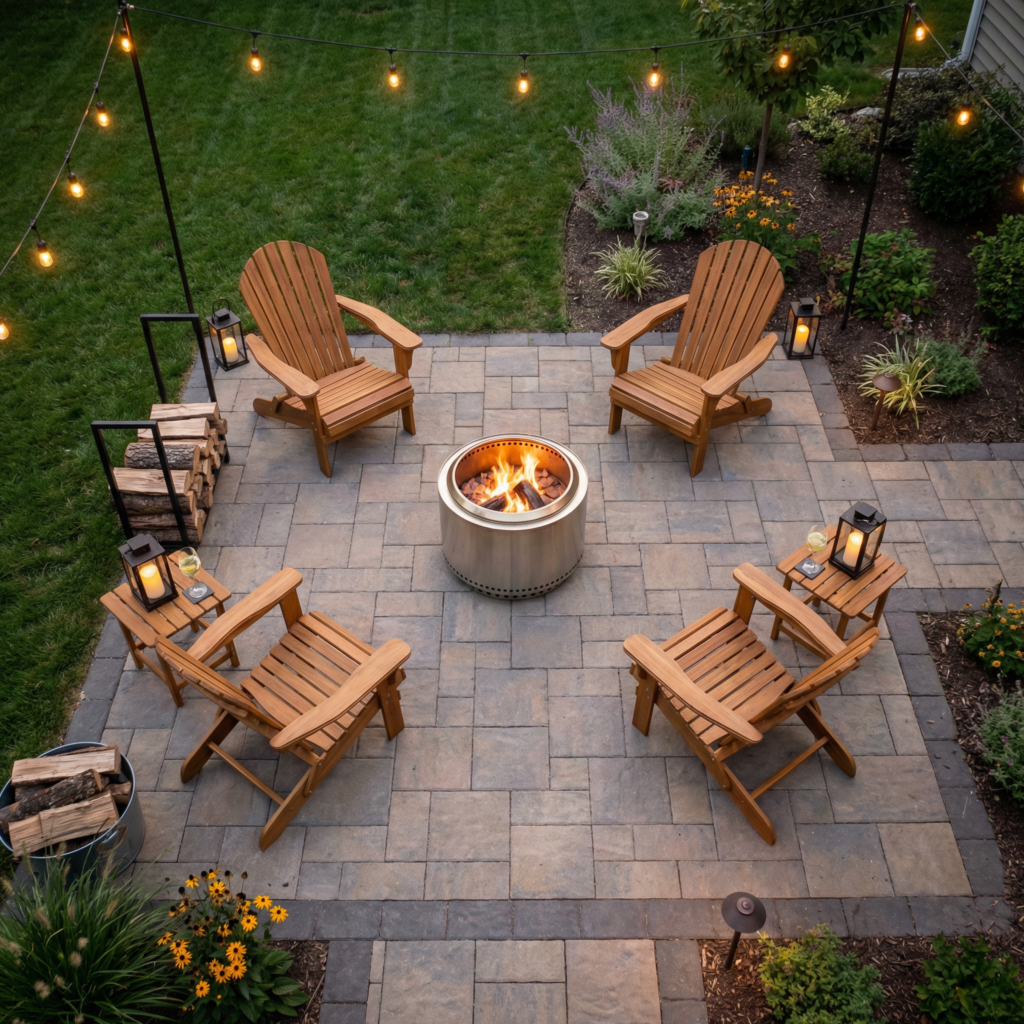
Choosing the right location makes all the difference between enjoying your investment and dealing with problems down the road. Let me walk you through what actually matters based on installations I’ve done.
Safe Placement Guidelines
The Consumer Product Safety Commission recommends maintaining at least 10 feet of clearance from structures, though I prefer 15-20 feet when possible. That buffer zone protects your house, garage, fences, and other combustible materials from radiant heat and stray sparks.
Don’t forget to look up. You need at least 20-25 feet of vertical clearance to tree branches, power lines, and overhangs. Even though smokeless fire pits produce less smoke, they still generate heat that rises and can ignite overhead hazards.
Ground Surface Considerations
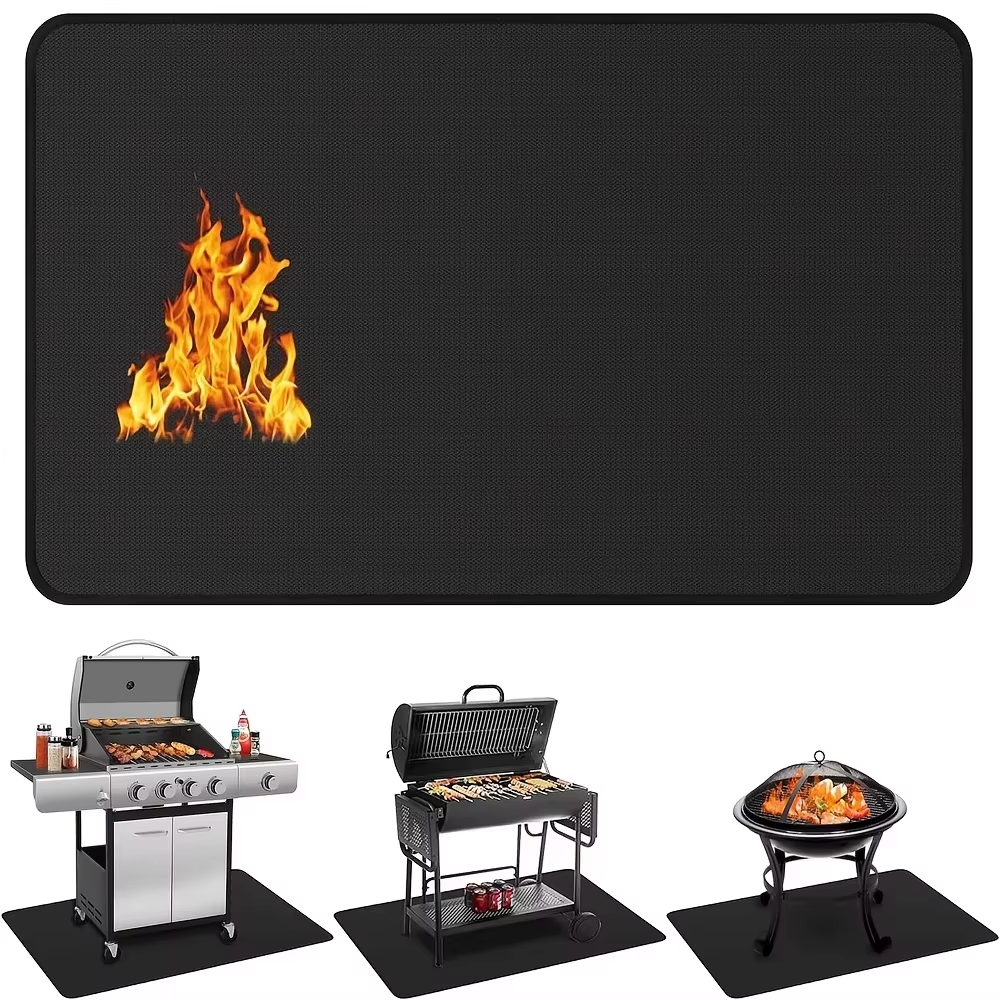
Your smokeless fire pit needs stable, non-combustible ground. Concrete patios, pavers, gravel, or brick work great. Avoid placing directly on wooden decks unless you’re using a proper fire pit pad or stand that keeps the heat away from the wood.
Grass and dirt can work if the area is level and you use a fire pit stand or base. Some models include integrated stands, others sell them separately. Trust me, spending $50-100 on a stand beats scorching your lawn or creating a permanent dead spot.
Creating the Perfect Gathering Space
Think about seating arrangements before you commit to a location. You’ll want 6-8 feet between the fire pit rim and the first row of seating for comfort and safety. Chairs arranged in a circle or semi-circle work better than straight rows.
I like to include different seating heights, some low Adirondack chairs for relaxing and some regular height chairs for folks who have trouble getting up from low seating. Add a small side table within arm’s reach of each seating area for drinks.
Wind Patterns Matter
Pay attention to prevailing wind direction in your yard. Even though smokeless fire pits produce minimal smoke, positioning the pit so wind naturally carries any smoke away from your main seating area improves the experience.
I’ve seen too many setups where someone placed their fire pit perfectly for aesthetics but didn’t consider that the wind blows smoke directly toward their patio furniture. Spend a few evenings observing wind patterns before you commit to a permanent location.
Access to Fuel Storage
You’ll need somewhere to store firewood within reasonable distance of your fire pit. I keep a covered wood rack about 20 feet away, close enough for easy access but far enough that flying sparks won’t be an issue.
For those using a portable smokeless fire pit with wood pellets, dedicated dry storage for pellet bags is essential. Moisture ruins pellets quickly, so a weatherproof deck box works perfectly. Speaking of fuel choices, our guide on the best firewood for wood stoves covers wood selection principles that apply equally to fire pits.
How to Get the Best Performance
Buying a premium smokeless fire pit doesn’t guarantee smokeless performance if you don’t operate it correctly. Here’s what I’ve learned through trial and plenty of errors.
Use Dry, Seasoned Hardwood
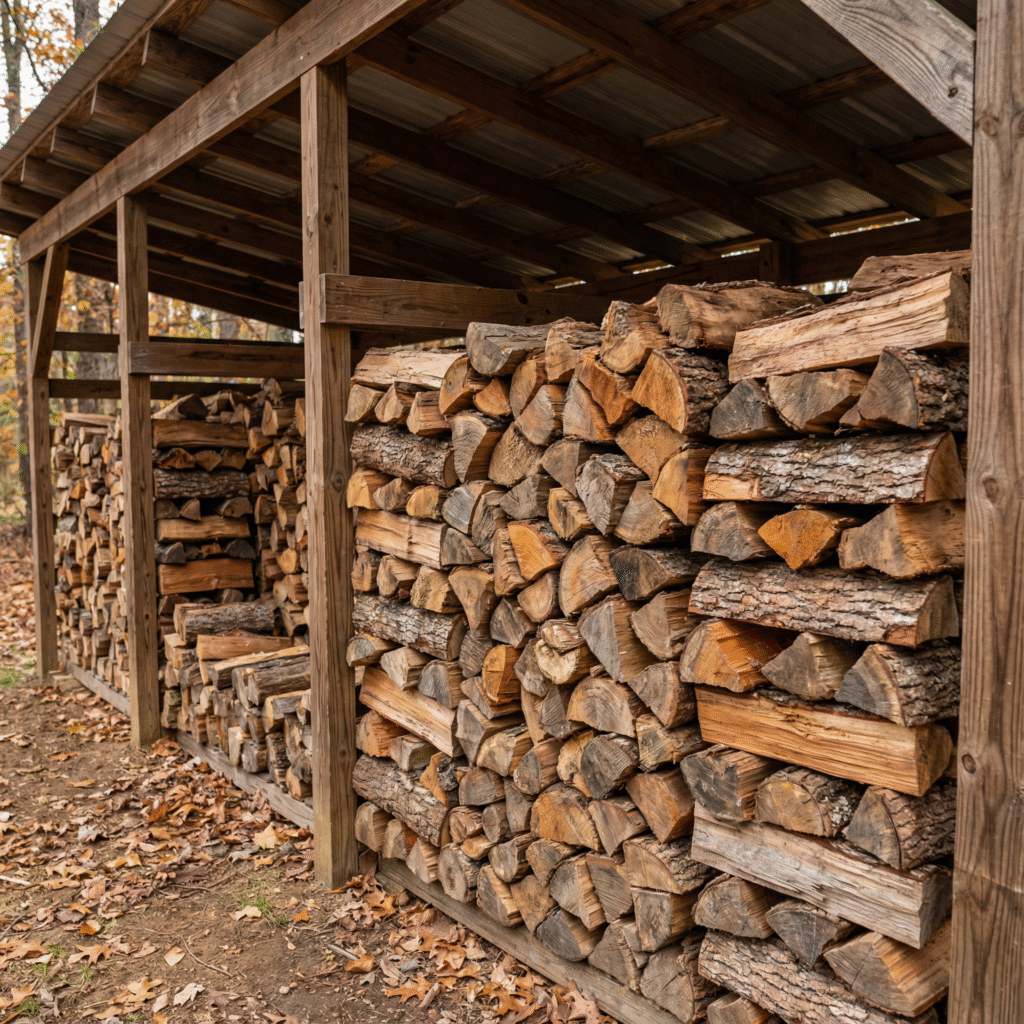
This cannot be overstated. Wet or green wood produces excessive smoke no matter how good your fire pit’s design is. You want firewood with moisture content below 20%, which you can verify with an inexpensive moisture meter.
Hardwoods like oak, maple, ash, and hickory burn hotter and longer than softwoods. They also produce better coals for maintaining an extended burn. Avoid pine, cedar, and other resinous woods which create creosote buildup and excessive smoke.
The U.S. Forest Service recommends seasoning firewood for 6-12 months depending on species and climate. Split wood seasons faster than whole logs, and proper stacking with good airflow makes a huge difference.
Start Small, Build Gradually
Don’t dump a full load of logs into a cold smokeless fire pit and expect magic. Start with kindling and small splits to build a hot coal base. Once you’ve got good flames and coals established (usually 15-20 minutes), add larger logs gradually.
The secondary combustion that makes these fire pits smokeless only kicks in once the walls reach operating temperature. If you smother a young fire with too much wood too quickly, you’ll get smoke.
Keep Fuel Below the Rim
Most smokeless fire pits work best when you don’t overfill them. Logs should sit below or right at the rim level, not stacked high above it. Overfilling restricts airflow and prevents the secondary combustion jets from working effectively.
I usually aim to keep fuel about an inch below the top edge. This gives the airflow system room to work while still allowing plenty of fuel for a good burn.
Don’t Close Dampers or Vents
Unlike a wood stove where damper control helps manage burn rate, smokeless fire pits need maximum airflow to function. Blocking vents reduces the oxygen supply that drives secondary combustion, which means more smoke.
If your model includes adjustable vents, keep them fully open during normal operation. The only time to reduce airflow is when you’re ready to let the fire die down naturally.
Give It Time to Heat Up
Patience pays off with smokeless fire pits. That first 15-20 minutes while the fire is coming up to temperature will produce some smoke. This is normal and unavoidable with wood combustion.
Once the double walls heat up and secondary combustion kicks in, smoke drops dramatically. Don’t judge performance during startup, wait until you’ve got a full bed of coals and the system has reached working temperature.
Portable Smokeless Fire Pits for Camping
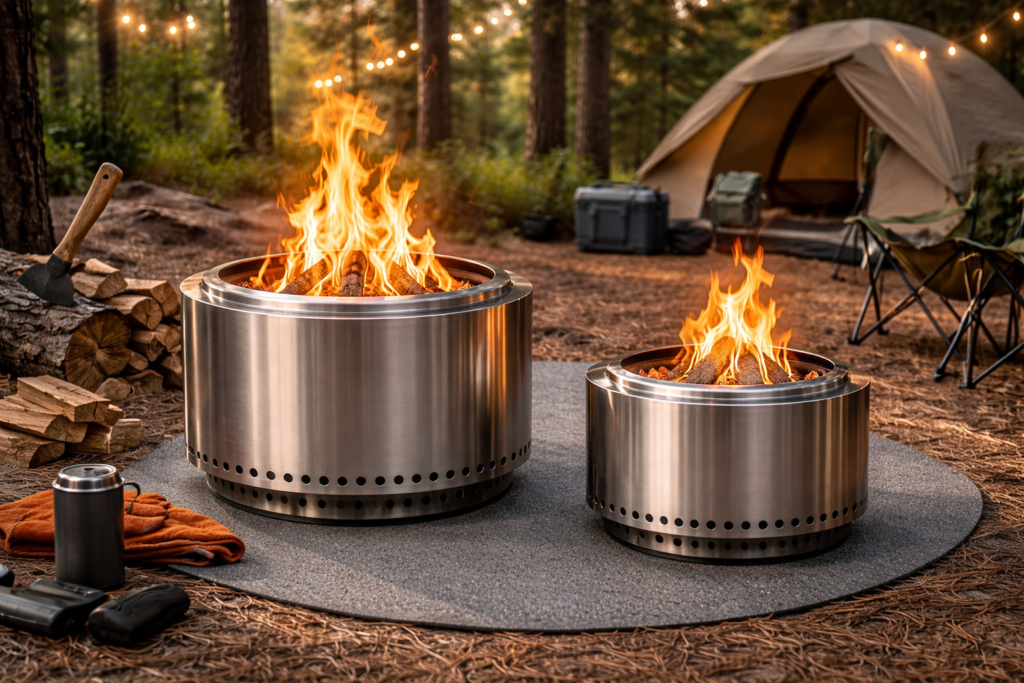
Not all smokeless fire pits are designed for permanent backyard installation. Several models excel at bringing that smoke-free experience to campsites, tailgates, and beach gatherings.
What Makes a Fire Pit Truly Portable
Weight matters most. Anything over 30 pounds becomes a chore to transport regularly. The truly portable smokeless fire pit options weigh 15-25 pounds and include carry bags or handles for easy movement.
Collapsible or stackable designs save trunk space. Models where the base nests inside the fire bowl take up half the space of fixed-design units. If you’re packing for camping trips, this difference is huge.
Top Portable Options
- The BioLite FirePit+ wins for pure portability at just under 20 pounds with its carrying case. The battery-powered fan means you get smokeless performance even in windy conditions where natural convection struggles.
- Solo Stove’s Ranger (15 pounds) and Bonfire 2.0 (20 pounds) both include carrying cases and work great for car camping. I wouldn’t backpack with either, but they’re perfect for weekend camping trips where you’re driving to your site.
- The Blue Sky Peak’s detachable base and 35-pound weight put it on the edge of portable. It’s manageable for occasional transport but not something you’ll want to haul regularly.
Camping-Specific Considerations
- Check campground regulations before assuming you can use any fire pit. Some parks require ground-level fires only, while others allow elevated fire pits like these. State parks often have different rules than private campgrounds.
- Bring a fireproof mat even if your portable smokeless fire pit includes a stand. Many campgrounds require protection for the ground surface, and a mat also makes cleanup easier when you’re packing up camp.
- Consider fuel availability at your destination. If you’re traveling to remote areas, relying on finding dry firewood might leave you disappointed. Bringing pre-split kindling and a fire starter makes setup reliable anywhere.
Smokeless Fire Pit Accessories Worth Buying
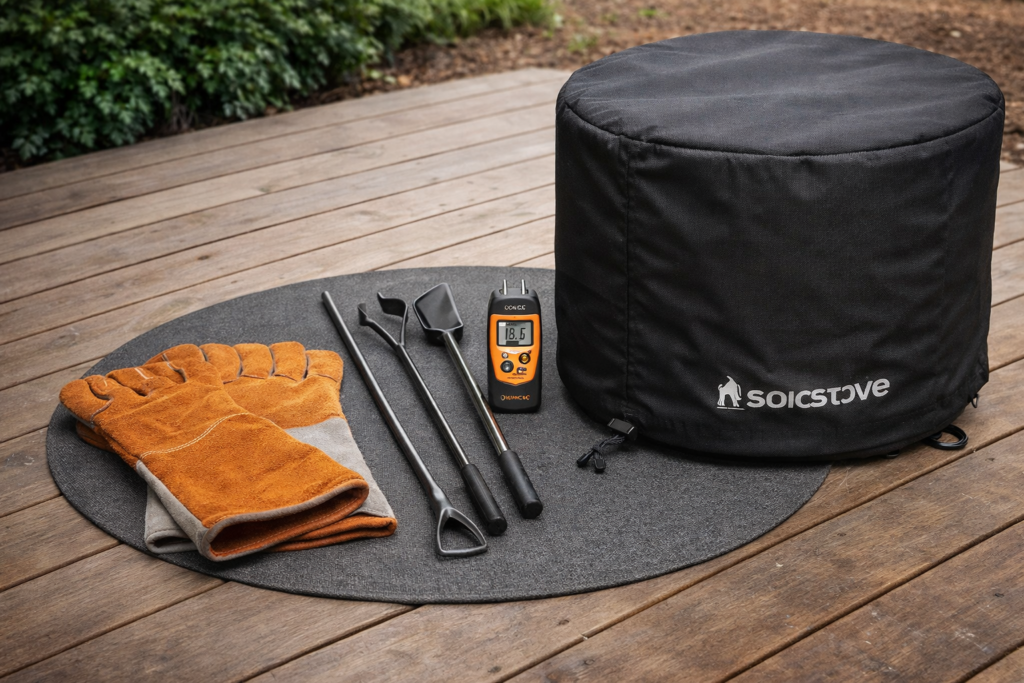
The right accessories enhance your experience, while others are pure marketing gimmicks. Let me separate what’s actually useful from what’s just fluff.
Essential Accessories
A proper fire pit stand protects ground surfaces and improves airflow. Even if your smokeless fire pit came with legs, a separate heat shield stand adds another layer of protection. Expect to spend $50-150 depending on size.
A quality cover extends the life of your investment significantly. Look for heavy-duty, weather-resistant covers with UV protection and ventilation grommets to prevent moisture buildup. Budget $40-80 for covers that actually last.
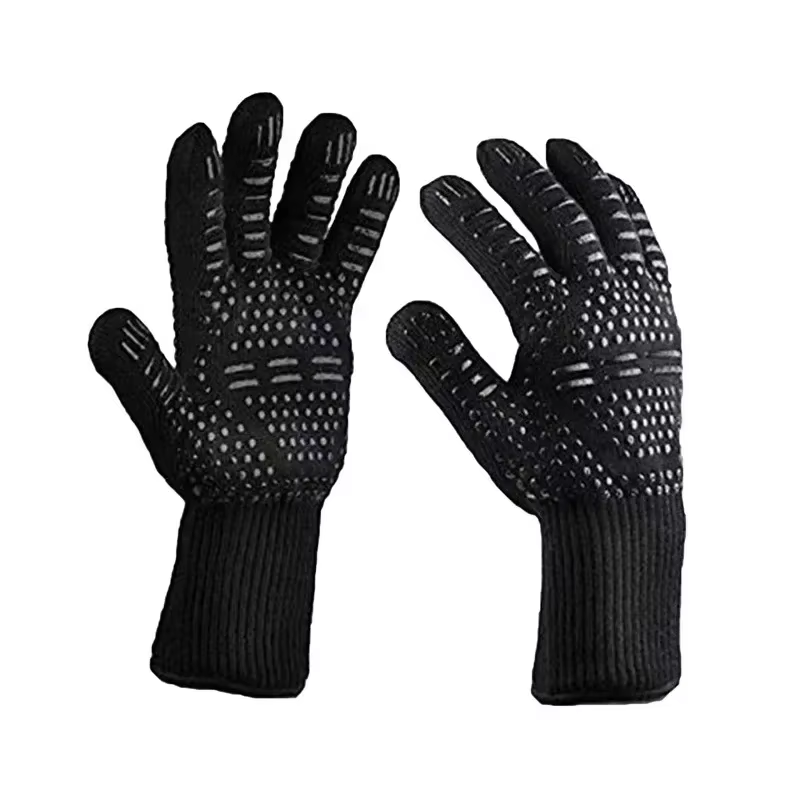
Fire-resistant gloves are non-negotiable. Welding gloves work great and cost $15-30. They protect your hands when adding fuel or adjusting burning logs.
Cooking Accessories
If you plan to cook over your fire pit, a grill grate designed specifically for your model ensures proper fit and stability. Universal grates rarely work as well as manufacturer-specific options.
Cast iron cooking grates distribute heat evenly and last forever with proper care. Budget $80-150 for quality cooking surfaces. For those interested in cooking over fire, our article on best wood stove accessories covers similar principles for indoor wood cooking.
Rotisserie attachments turn your smokeless fire pit into an outdoor cooking machine. Breeo and some other brands offer rotisserie systems that work surprisingly well for whole chickens or roasts.
Nice-to-Have Additions
Spark screens reduce flying embers without significantly impacting performance. They’re especially valuable if you’re burning in windy conditions or near dry vegetation. Most cost $30-60.
LED lighting kits mount under the rim and create atmospheric glow after dark. These are pure aesthetics but look amazing at night gatherings. Figure $40-100 depending on quality.
Weatherproof storage boxes keep firewood, kindling, and fire starters organized near your fire pit. A tidy setup looks better and makes it easier to maintain fires throughout the evening.
Skip These Gimmicks
Color-changing flame packets might seem fun, but they add chemicals to your otherwise clean burn. If you want a smokeless, eco-friendly fire pit experience, skip the rainbow flames.
Overpriced branded fire starters offer nothing special compared to standard fire starter options. Save your money and buy generic fire starter cubes or make your own from dryer lint and wax.
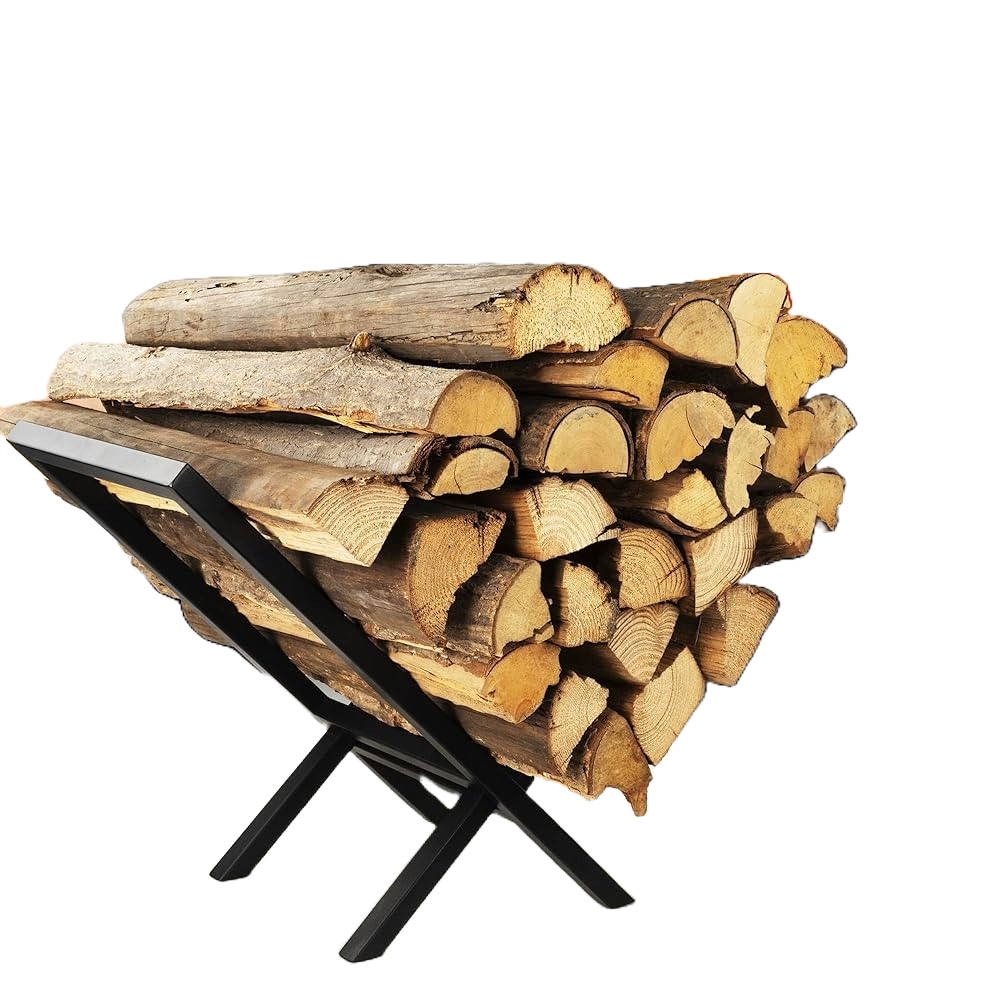
Designer log holders look nice but don’t improve function. A simple firewood rack positioned nearby works just as well for a fraction of the cost.
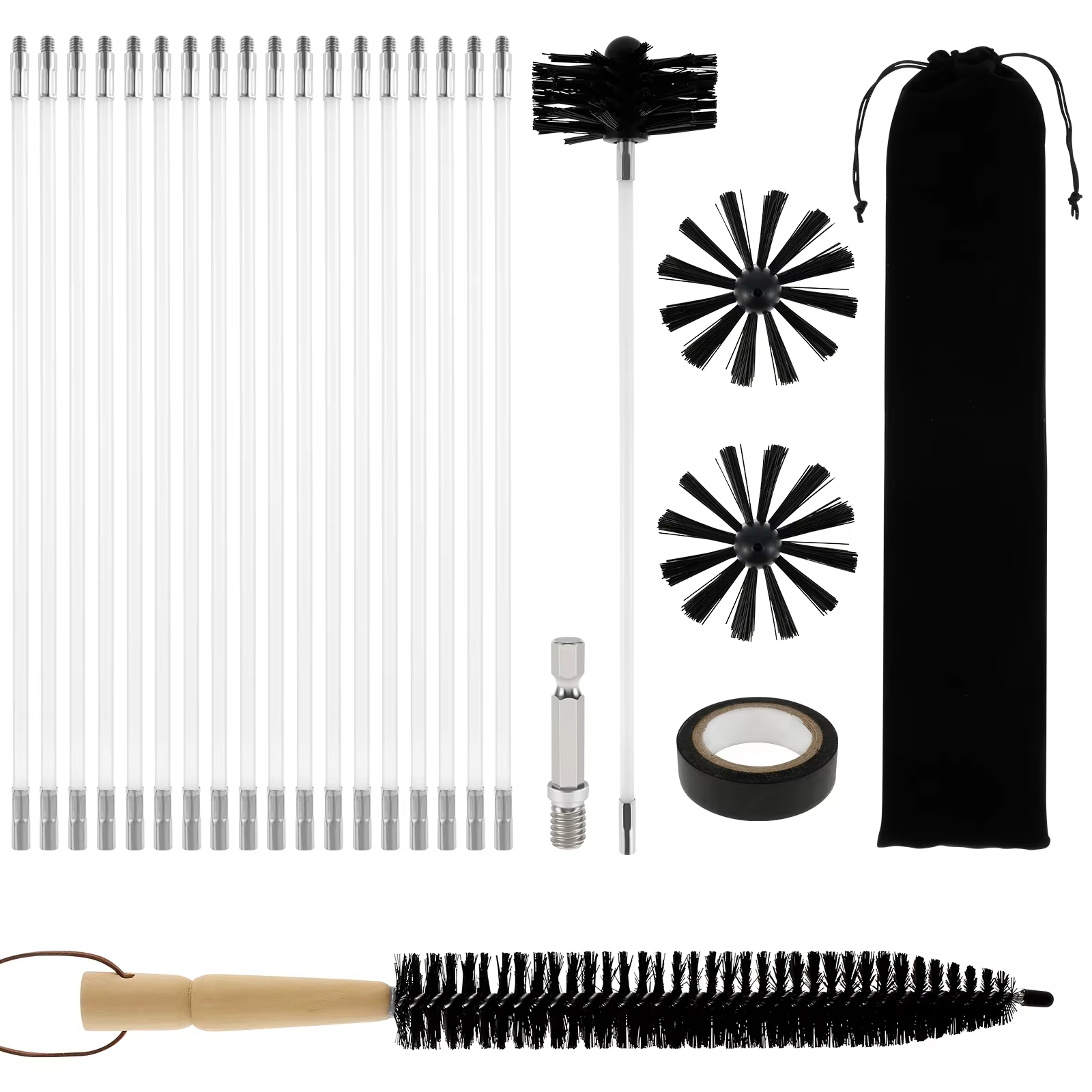
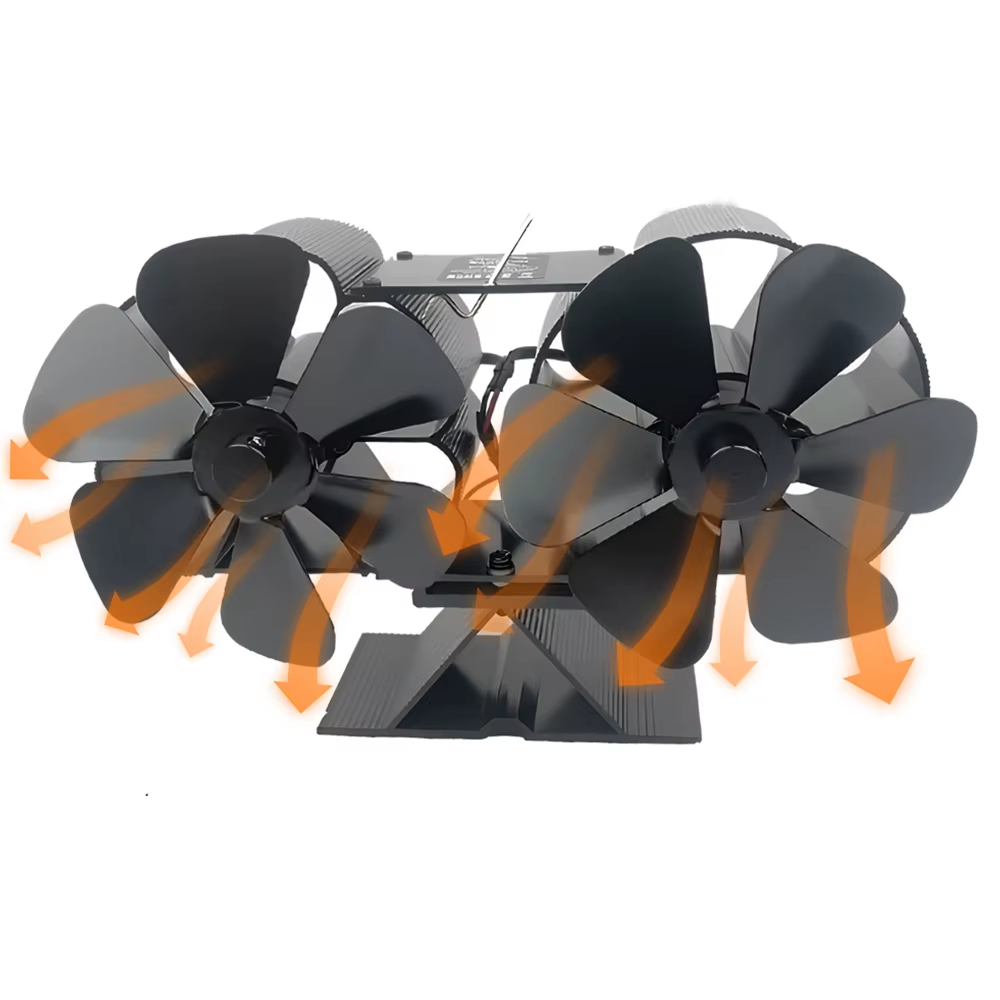
Common Problems and Solutions
Even the best smokeless fire pit can have issues if conditions aren’t right. Here’s how to troubleshoot the most common complaints.
Too Much Smoke
If your fire pit is producing excessive smoke, start by checking fuel moisture. Wet or green wood is the number one culprit. Test with a moisture meter, anything above 20% will smoke badly.
Insufficient airflow causes smoke. Make sure all vents are clear of ash and debris. If your model has adjustable vents, ensure they’re fully open during normal operation.
Overfilling restricts the secondary combustion system. Remove some fuel if you’ve stacked wood above the rim. Keep the fuel level at or slightly below the top edge.
Cold starts always produce more smoke. Give the fire pit 15-20 minutes to heat up before judging smokeless performance. The secondary combustion won’t activate until the walls reach operating temperature.
Uneven Burning
Hot spots and cold spots usually indicate airflow problems. Rotate logs occasionally to ensure even exposure to oxygen flow. Dense hardwoods in particular benefit from periodic repositioning.
Check that your fire pit sits level. An unlevel pit can create airflow imbalances that lead to uneven burning. Use a spirit level and adjust the stand or surface as needed.
Some models burn better with specific fuel arrangements. Consult your manufacturer’s guidelines for recommended log stacking patterns. The X-pattern works well in many designs.
Fire Won’t Stay Lit
Poor quality or wet kindling makes starting difficult. Invest in dry kindling or use commercial fire starters to establish a solid base before adding larger pieces.
Insufficient initial fuel prevents the fire from reaching operating temperature. Start with more kindling and small splits than you think you need. Once established, the fire becomes self-sustaining.
Blocked vents strangle the fire. Even partial blockages significantly impact performance. Clean all air passages thoroughly if you’re having persistent lighting issues.
Rust or Corrosion
Stainless steel shouldn’t rust under normal conditions. If you’re seeing rust, you may have a lower-grade steel or surface contamination. Clean thoroughly and apply a light coat of vegetable oil.
Corten steel is supposed to develop a rust-colored patina. This protective layer prevents further corrosion and is a feature, not a problem. Don’t try to remove or prevent it.
Salt air accelerates corrosion on any metal. If you’re near the coast, rinse your smokeless fire pit with fresh water monthly and consider storing it covered when not in use.
Smokeless Fire Pit vs Traditional Fire Pit
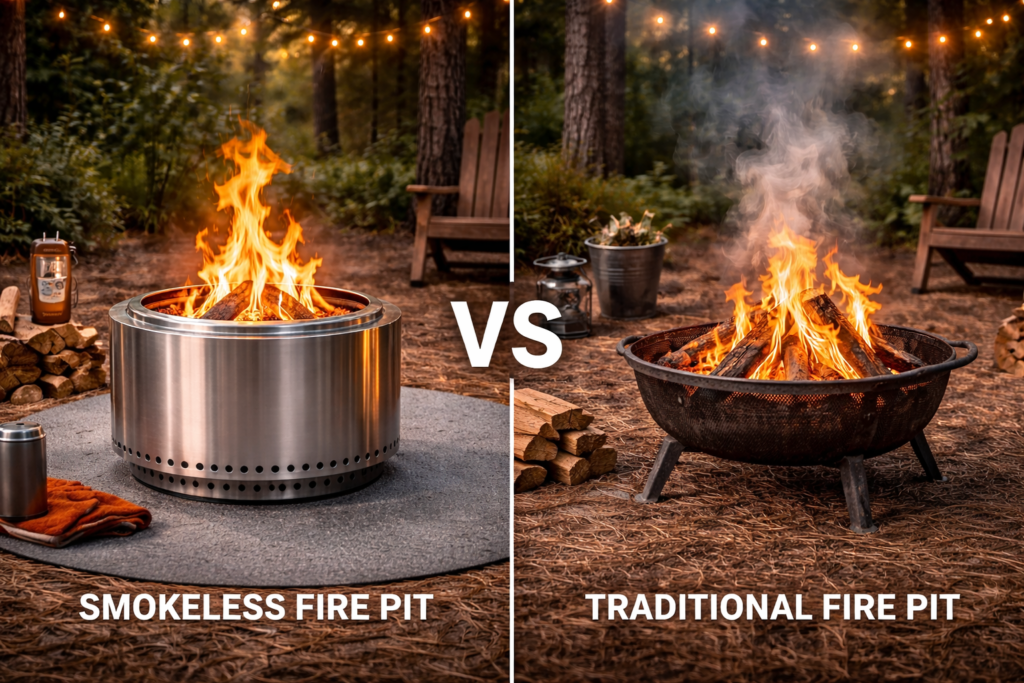
Let’s compare these options honestly so you can make an informed decision for your backyard setup.
| Feature | Smokeless Fire Pit | Traditional Fire Pit |
|---|---|---|
| Smoke Production | 80-99% less smoke | Significant smoke |
| Initial Cost | $200-1,200+ | $50-300 |
| Fuel Efficiency | Burns 20-30% less wood | Standard consumption |
| Heat Distribution | More upward, less radiant | Better radiant heat |
| Ash Production | Minimal ash | More ash and debris |
| Portability | 15-60 pounds typically | Varies widely |
| Maintenance | Easy cleanup, some complexity | Simple, minimal maintenance |
| Cooking Capability | Many compatible with accessories | Easier radiant cooking |
When Traditional Makes Sense
If you’re primarily interested in radiant warmth and don’t care about smoke, a traditional fire pit costs less and throws heat outward more effectively. For remote properties where smoke isn’t an issue, the simplicity of a basic fire ring has appeal.
Traditional fire pits also work better for certain cooking styles. If you want to bank coals to the side for ember cooking or need wide, shallow heat distribution, conventional designs offer advantages.
When Smokeless Wins
For suburban backyards, smokeless fire pits make outdoor fires feasible where smoke complaints would otherwise be a problem. The cleaner burn respects your neighbors while still letting you enjoy real wood fires.
If you or family members have asthma or smoke sensitivity, reducing emissions by 80-99% transforms fire pit gatherings from miserable to enjoyable.
The efficiency gains matter if you’re buying firewood. Using 20-30% less fuel per season adds up to real savings that offset the higher initial cost over time.
FAQs: Best Smokeless Fire Pit
Are smokeless fire pits actually completely smokeless?
No smokeless fire pit is 100% smoke-free. They produce 80-99% less smoke than traditional fire pits once they reach operating temperature (typically 15-20 minutes after lighting). You’ll see some smoke during startup and when adding fresh wood, but it’s dramatically reduced compared to conventional fire pits. The exact smoke reduction depends on fuel quality, how you operate the pit, and which model you choose.
Can I use a smokeless fire pit on my wooden deck?
You can use a smokeless fire pit on a wooden deck if you take proper precautions. Always use a fire pit stand or base that elevates the unit and provides heat shielding. Add a fireproof mat underneath for extra protection. Check your local building codes and homeowners insurance policy, as some explicitly prohibit any fire pits on wooden decks regardless of safety measures. Maintain at least 10-15 feet of clearance from your house and railings.
What’s the best fuel for smokeless fire pits?
Seasoned hardwood with moisture content below 20% provides the best performance in smokeless fire pits. Oak, maple, ash, and hickory burn hot, produce long-lasting coals, and create minimal smoke. Avoid softwoods like pine and cedar which have high resin content. Some models also work well with wood pellets, which light easily and burn very clean but are more expensive per hour than split wood. Never use treated wood, plywood, or trash.
How much does a good smokeless fire pit cost in 2026?
Quality smokeless fire pits range from $200 to $1,200 depending on size, materials, and brand. Budget-friendly models like the Blue Sky Peak start around $179-249. Mid-range options from Solo Stove and Tiki run $299-499. Premium models from Breeo with corten steel construction and lifetime warranties cost $500-1,200. Factor in another $50-200 for essential accessories like stands, covers, and tools when budgeting for your complete setup.
Do smokeless fire pits provide as much heat as regular fire pits?
Smokeless fire pits actually burn hotter than traditional fire pits due to more complete combustion, often exceeding 1,000°F. However, the double-wall design directs more heat upward rather than radiating outward. You’ll need to sit closer to feel the same warmth, typically 4-6 feet from the pit instead of 8-10 feet. The overall heat output is comparable or better, it’s just distributed differently with more going up than out to the sides.
How do I clean and maintain my smokeless fire pit?
Let ashes cool completely (wait 24 hours to be safe), then empty the removable ash pan or vacuum out debris. Wipe down interior surfaces monthly to remove soot buildup and check that all vent holes are clear. Inspect for cracks, warping, or loose hardware seasonally. Stainless steel models need minimal care beyond cleaning, while some benefit from a light coating of cooking oil in humid climates. Store under a quality cover or indoors during off-season to prevent weather damage.
Can I cook food over a smokeless fire pit safely?
Yes, many smokeless fire pits work great for cooking when used with appropriate accessories like grill grates, cooking rings, or rotisserie attachments. The cleaner burn means less smoke flavor on food compared to traditional fire pits, which some people prefer. Make sure your model is designed for cooking before adding accessories, and always use heat-resistant gloves when handling cooking equipment. Clean the fire pit thoroughly before cooking to remove any chemical residues from fire starters.
Final Thoughts
The smokeless fire pit transformed how I use my backyard. I went from avoiding fires because smoke was such a hassle to lighting up most weekends year-round. That shift happened because the technology actually works when you choose a quality model and operate it correctly.
These aren’t just marketing hype or another outdoor living fad. The engineering behind double-wall construction and secondary combustion solves real problems that have plagued fire pits forever. Whether you’re setting up a backyard entertainment space or looking for portable warmth for camping trips, there’s probably a smokeless fire pit that fits your needs and budget in 2026.
Start by figuring out your primary use case, then match that to the models we’ve covered. A couple enjoying quiet evenings needs something different than someone hosting weekly neighborhood gatherings. The portable smokeless fire pit that works great for camping might not be the best choice for a permanent backyard installation.
