
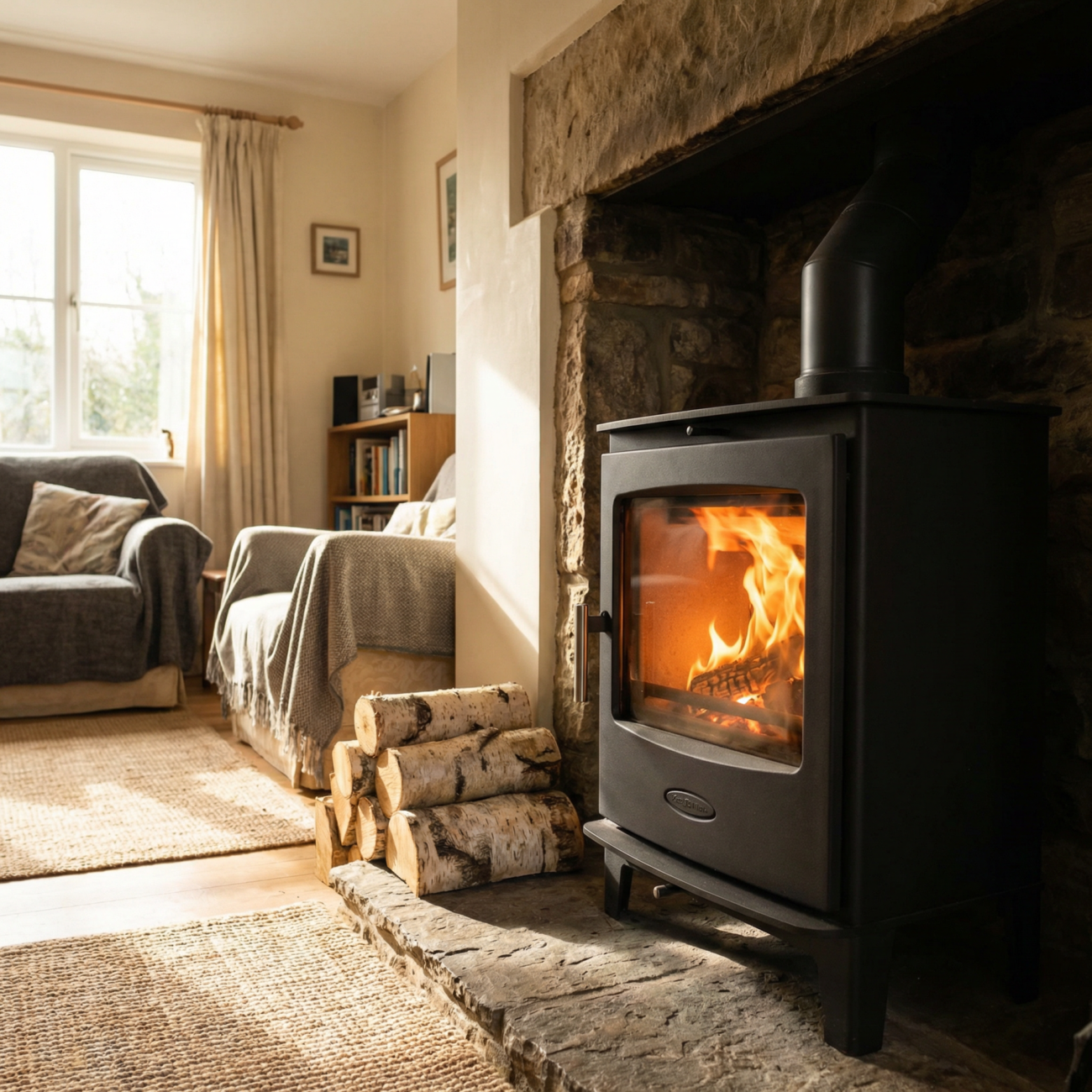
There’s nothing worse than settling in for a cozy evening by your wood stove, only to have smoke pour into your living room instead of up the chimney. If you’re dealing with this frustrating problem, you’re in the right place. I’ve spent 15 years troubleshooting smoke issues in hundreds of homes, and I can tell you this: most smoke problems have straightforward solutions once you understand what’s causing them.
The fastest way to reduce wood stove smoke is to ensure proper draft by opening the air intake fully during startup, burning only dry seasoned wood with less than 20% moisture content, and keeping your chimney clean of creosote buildup. These three factors alone solve about 80% of indoor smoke issues.
When you’re learning how to reduce wood stove smoke, you need to understand that smoke always follows the path of least resistance. If your chimney isn’t creating enough upward pull (draft), smoke will find its way back into your room. Maybe you’ve noticed smoke when you first light the fire, or perhaps it happens when you open the door to add wood. Either way, the underlying issue is the same: your system isn’t moving air the way it should.
I remember working with a family last winter who were ready to tear out their brand-new wood stove because they didn’t know how to reduce wood stove smoke effectively. Turns out, they’d been closing the air intake too quickly and burning wood they’d “seasoned” for only two months. We fixed both issues in one afternoon, and they haven’t had a problem since.
Understanding Why Smoke Comes Into Your Home
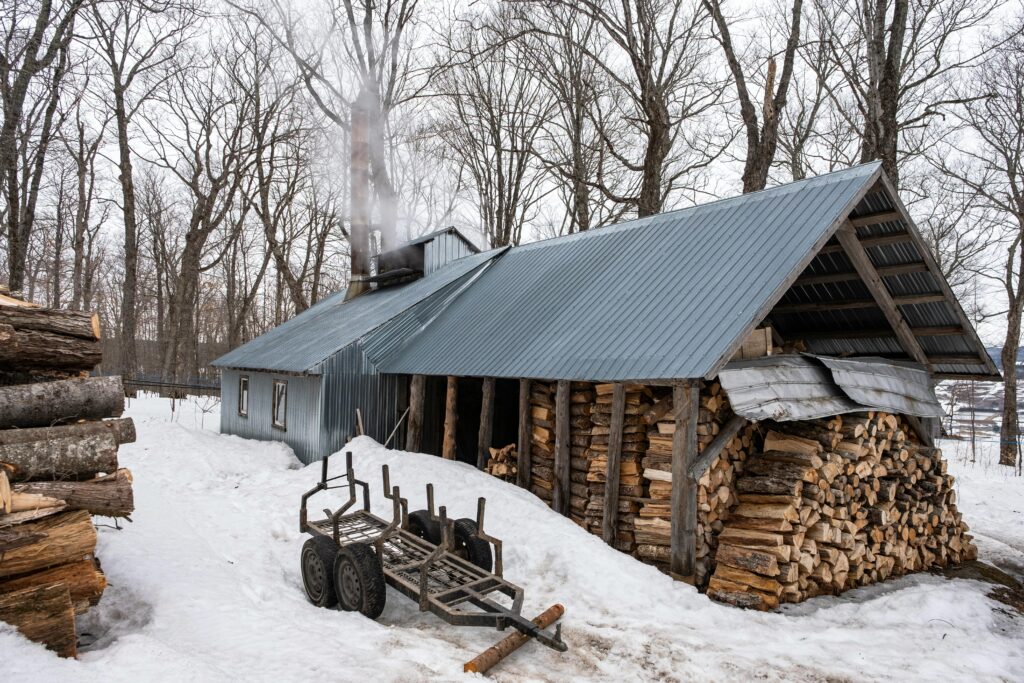
Before we jump into solutions, let’s talk about why this happens. Your wood stove and chimney work as a system. Hot air rises, creating a natural upward pull called draft. This draft should be strong enough to pull all combustion gases (including smoke) up and out through your chimney.
When you figure out how to reduce wood stove smoke, you’re really trying to restore or improve this natural draft. Several things can interfere with it: cold chimneys, blocked airways, wet wood, or even weather conditions. The good news is that once you identify the specific problem in your system, fixing it is usually pretty straightforward.
According to the EPA’s guidelines on residential wood heaters, proper draft is essential for both safety and efficiency. Poor draft not only sends smoke into your home but also increases dangerous creosote buildup in your chimney, which can lead to chimney fires. That’s why learning how to reduce wood stove smoke isn’t just about comfort, it’s about safety too.
Fix #1: Burn Only Properly Seasoned Firewood
This is the single most important thing you can do when learning how to reduce wood stove smoke. Wet or green wood is the number one cause of smoking problems, and I see it in about 60% of the homes I visit.
Why Moisture Content Matters
When wood contains too much moisture, that water has to evaporate before the wood can burn properly. This evaporation process creates excessive smoke and dramatically lowers your firebox temperature. Lower temperatures mean weaker draft, which means smoke backs up into your room instead of going up the chimney.
Properly seasoned firewood should have a moisture content below 20%. Anything above that, and you’re asking for trouble. I once helped a homeowner who insisted his wood was dry because it had been sitting in his yard for six months. When we tested it with a moisture meter, it came in at 35%. No wonder he struggled with how to reduce wood stove smoke.
The U.S. Department of Energy recommends seasoning wood for at least 12 months, and honestly, 18-24 months is even better for denser hardwoods like oak. You can’t rush this process.
How to Check Your Wood
Invest in a basic moisture meter. They cost about $20-30 and take all the guesswork out of the equation. Split a piece of your firewood and test the freshly exposed surface. That’s where you’ll get an accurate reading.
If you don’t have a moisture meter yet, here are some visual clues that wood is properly seasoned:
- Dark, weathered ends with visible cracks
- Bark that falls off easily
- Lighter weight than fresh-cut wood
- Makes a hollow sound when two pieces are knocked together
For detailed information on selecting and storing the best wood for your stove, check out our guide on best firewood for wood stoves.
Quick Wood Selection Guide
| Wood Type | Seasoning Time | Smoke Level | Best For |
|---|---|---|---|
| Oak | 18-24 months | Very Low | Long overnight burns |
| Maple | 12-18 months | Low | All-purpose heating |
| Ash | 6-12 months | Low | Quick seasoning needed |
| Cherry | 12-18 months | Low | Pleasant aroma |
| Pine | 6-12 months | High | Avoid for main heating |
| Birch | 12 months | Medium | Shoulder season |
If you’re stuck with questionable wood, mix in some truly dry pieces to help establish a hotter fire. This won’t completely solve the problem, but it helps while you’re building up a proper seasoned wood supply.



Fix #2: Master Your Air Intake Controls
Many people struggling with how to reduce wood stove smoke are actually causing the problem themselves by closing down the air intake too quickly. Your stove needs oxygen to burn properly, and restricting airflow before the fire is fully established is a recipe for smoke.
The Proper Startup Sequence
When you’re lighting your fire, keep that air intake wide open. I mean completely open. Don’t touch it for at least 15-20 minutes after you’ve got flames going. This allows the firebox to heat up properly and establishes strong draft.
Here’s my proven startup method on how to reduce wood stove smoke from the beginning:
- Open the air intake all the way
- Light your fire using dry kindling and newspaper
- Add small splits once kindling is burning well
- Wait until these small splits are fully engulfed in flames
- Add larger pieces of wood
- Keep the air intake fully open for 15-20 minutes
- Only then begin to slowly reduce the air (if your stove allows it)
Understanding Your Stove’s Air Controls
Modern wood stoves have different types of air controls. Some have a single lever, others have separate primary and secondary air controls. Primary air feeds the fire from below, while secondary air supports the clean-burning process higher in the firebox.
If your stove has both controls, you’ll want to keep primary air open during startup and while adding wood. Secondary air should generally stay open all the time on EPA-certified stoves, it’s designed to create that secondary burn that reduces emissions and smoke.
Never close the air intake so much that you see smoke in the firebox. If you can see lazy, yellow flames and lots of smoke inside your stove, you’ve choked it too much. Open that air back up. A properly burning fire should have lively, bright flames and very little visible smoke.
Fix #3: Clean Your Chimney Regularly
I can’t tell you how many times I’ve been called to help someone figure out how to reduce wood stove smoke, only to find their chimney hasn’t been cleaned in three or four years. A dirty chimney is like trying to breathe through a stuffed-up nose, it just doesn’t work.
How Creosote Buildup Affects Draft
Creosote is that black, tar-like substance that builds up on your chimney walls. It forms when smoke cools and condenses. The more smoke you produce (from wet wood or poor burning technique), the more creosote accumulates. And here’s the vicious cycle: as creosote builds up, it narrows your chimney passage, which weakens your draft, which causes more smoke to back up into your home.
The Chimney Safety Institute of America recommends professional chimney inspection and cleaning at least once a year. If you burn more than 3 cords of wood annually, you should clean it more often. I personally clean my chimney twice a year, once in the middle of winter and again in spring.
DIY Chimney Cleaning vs Professional Service
You can clean your own chimney if you’re comfortable on a roof and have the right equipment. I’ve got a detailed step-by-step process in our guide on how to clean wood stove chimney yourself. But if heights aren’t your thing or your chimney setup is complicated, hire a CSIA-certified professional.
A professional cleaning typically costs $150-300, depending on your location and chimney configuration. That’s cheap insurance compared to a chimney fire, which can cause tens of thousands in damage.
Signs Your Chimney Needs Cleaning Now
If you notice any of these, don’t wait to clean your chimney:
- Smoke entering your room, especially when you add wood
- Decreased draft or difficulty getting fires started
- Visible creosote buildup when you look up with a flashlight
- Small pieces of creosote falling into your firebox
- Your stove glass gets dirty much faster than usual
- A strong, acrid smell even when the stove isn’t burning
Fix #4: Address Chimney Height and Design Issues
Sometimes the problem with how to reduce wood stove smoke isn’t what you’re doing wrong, it’s how your chimney was designed or installed. This is a harder fix, but it’s absolutely critical if your chimney doesn’t meet minimum requirements.
The 3-2-10 Rule
Your chimney should extend at least 3 feet above the roof penetration and at least 2 feet higher than any part of the roof within 10 feet horizontally. This isn’t just a suggestion, it’s in building codes for a reason. Without adequate height, your chimney simply won’t draft properly, especially on windy days or when the weather’s mild.
I worked with a homeowner last spring who’d been fighting smoke issues for two years. His chimney was only about 18 inches above his roofline. We added two more sections of pipe (about 6 feet total), and his smoke problems disappeared immediately. He couldn’t believe it was that simple.
Interior vs Exterior Chimneys
Here’s something most people don’t realize: exterior chimneys are much harder to keep drafting properly than interior chimneys. An exterior chimney is exposed to cold temperatures, which means the flue gases cool down faster, reducing draft. In really cold weather, an exterior chimney might not establish good draft until you’ve had a fire going for 30-40 minutes.
If you have an exterior chimney and you’re trying to figure out how to reduce wood stove smoke, you may need to prime the flue before lighting your main fire. Roll up a few sheets of newspaper, light them, and hold them up near your stove pipe connection. This warms the column of air in your chimney and gets it moving upward before you add your kindling.
Interior chimneys stay warmer because they’re protected by your home’s envelope. They draft more consistently and are generally less problematic. If you’re planning a new installation, an interior chimney location is worth the extra work.
When to Call a Professional
If your chimney is too short, has too many bends, or uses the wrong diameter pipe, you’ll need professional help. A certified chimney installer can evaluate your system and recommend solutions. Sometimes it’s adding height, sometimes it’s installing a chimney liner, and sometimes it means reconfiguring the whole setup.
Don’t try to “make do” with an inadequate chimney. It’s not just about smoke in your home, it’s a serious safety issue. Carbon monoxide can also backdraft into your living space, and that’s potentially lethal.
Fix #5: Check for Blockages and Obstructions
You’d be surprised what I’ve found blocking chimneys over the years: bird nests, fallen bricks, even a raccoon once. Any obstruction reduces your chimney’s ability to create draft, making it much harder when you’re trying to figure out how to reduce wood stove smoke.
Common Chimney Obstructions
Bird nests are the most frequent culprit. Birds love nesting in chimneys during spring and summer, and if you don’t have a chimney cap, you’re basically inviting them in. A single bird nest can completely block a smaller flue.
Excessive creosote can also act as an obstruction. In extreme cases, I’ve seen creosote buildup reduce a chimney’s effective diameter by 30-40%. At that point, you’re not just dealing with poor draft, you’re dealing with a serious fire hazard.
Dampers that won’t fully open, collapsed or misaligned chimney liners, and debris from chimney deterioration can all create obstructions. That’s why a thorough inspection is so important.
The Flashlight Test
Here’s a simple check you can do yourself: wait until your stove is completely cold, then remove your stovepipe at the first connection above the stove (if possible). Look up through your chimney with a bright flashlight. You should be able to see clear through to daylight.
If you can’t see through, or if you see any significant narrowing, you’ve got a problem. Don’t try to fix severe blockages yourself, call a professional chimney sweep.
Installing a Chimney Cap
If you don’t have a chimney cap, get one installed. A good quality stainless steel chimney cap costs $100-300 installed and solves multiple problems. It keeps out rain (which can cause draft problems), prevents animals from nesting, and stops downdrafts from wind.
I recommend caps with mesh small enough to keep out even small birds and bats. Make sure it’s installed properly with adequate clearance, cheap caps installed too close to the flue opening can actually create draft problems themselves.
Fix #6: Prevent Negative Air Pressure in Your Home
This is one of the sneakier causes of smoke problems, and many homeowners never figure it out. Modern homes are built tight for energy efficiency, which is great for heating bills but can create negative air pressure that fights against your chimney’s draft.
How Negative Pressure Happens
Your wood stove needs air to burn, and that air has to come from somewhere. In an older, leaky house, air infiltrates through cracks and gaps easily. But in a newer, well-sealed home, when your stove pulls air up the chimney, it creates a vacuum effect. Other exhaust systems in your home (bathroom fans, kitchen range hoods, clothes dryers) make this worse.
I’ve seen situations where turning on a powerful kitchen range hood caused immediate backdrafting from the wood stove. The range hood was pulling so much air out of the house that the chimney couldn’t compete.
The Solution: Provide Makeup Air
When you’re working on how to reduce wood stove smoke caused by negative pressure, you need to provide a source of fresh air. The best solution is installing an outside air kit, which brings combustion air directly to your stove from outdoors.
Many modern wood stoves have provisions for outside air connections. If yours does, use it. This dedicates an air supply specifically for your stove, so it’s not competing with other exhaust systems in your home.
If an outside air kit isn’t practical, crack open a window near your stove when you’re burning. I know this seems counterintuitive when you’re trying to heat your home, but a window cracked just an inch or two provides enough makeup air without significantly affecting your heating efficiency.
Testing for Negative Pressure
Here’s a simple test: with your stove burning and other exhaust fans off, note how it’s drafting. Then turn on your kitchen range hood and bathroom fans. If smoke immediately starts backing up into your room, you’ve got a negative pressure problem.
Another test: light a stick of incense near your stove when it’s not burning. Hold it near the stove pipe connection. The smoke should be drawn toward the pipe, indicating positive draft. If the smoke drifts away or hangs in the air, you may have pressure issues.
Fix #7: Perfect Your Fire-Starting Technique
Even with everything else right, poor fire-starting technique can cause smoke problems. The way you build and light your fire has a huge impact on your success with how to reduce wood stove smoke.
The Top-Down Burn Method
This is hands-down the best fire-starting method I’ve found for minimizing smoke. Instead of putting kindling on the bottom and logs on top (the old-fashioned way), you reverse it.
Here’s how it works:
- Place your largest logs on the bottom of the firebox, running front to back
- Add a layer of medium-sized splits on top, perpendicular to the bottom layer
- Add smaller splits on top of those
- Top with a layer of kindling
- Place crumpled newspaper or fire starter on the very top
- Light the top layer
The fire burns from the top down, which produces much less smoke than bottom-up lighting. As the top layer burns, it preheats the wood below, causing it to release gases that immediately ignite. This creates a cleaner, more efficient burn right from the start.
When you use this method for how to reduce wood stove smoke, you’ll notice significantly less smoke during the critical first few minutes when the chimney is cold and draft is weakest.
Never Use Accelerants
I shouldn’t have to say this, but I’ve seen it too many times: never use gasoline, diesel, or other accelerants to start your fire. Besides being extremely dangerous, these create huge amounts of smoke and can damage your stove.
Stick to newspaper, cardboard (without plastic coating), natural fire starters, or small amounts of fatwood. If you’re having trouble getting fires started, the problem is your wood or your technique, not a lack of lighter fluid.
The Pre-Warming Trick
On really cold days or if your stove hasn’t been used in a while, the chimney can be ice cold. Before you even build your fire, warm up the flue. Roll up several sheets of newspaper, light them, and hold the burning paper up near the stove pipe connection for a minute or two.
This preheats the air column in your chimney and gets it moving upward. It’s like priming a pump. Once you feel warm air being pulled up, build and light your main fire. This simple trick can eliminate that initial puff of smoke that often happens with cold starts.
Creating a Smoke-Free Maintenance Routine
If you want to consistently know how to reduce wood stove smoke, you need more than quick fixes. You need a regular maintenance routine that keeps everything working as it should.
Daily Habits
- Remove ash when it builds up to more than 1 inch deep (keep a thin layer for insulation)
- Check that your door gasket seals tightly
- Clean glass as needed so you can monitor your fire
- Only burn dry, seasoned wood
Weekly Checks
- Inspect your stove pipe connections for any looseness
- Look for creosote buildup on your glass (heavy buildup means you’re not burning hot enough)
- Check that your air intake controls move freely
- Verify chimney cap is clear of debris
For tips on keeping your glass clean, see our article on how to clean wood stove glass without chemicals.
Seasonal Tasks
- Professional chimney inspection and cleaning (at minimum once per year)
- Replace door gaskets if they’re compressed or damaged
- Clean out the entire stove, including baffle area
- Check for any cracks or damage to firebrick
- Test smoke and carbon monoxide detectors
Signs You Need Immediate Attention
Don’t wait for your scheduled maintenance if you notice:
- Smoke consistently entering your room
- Difficulty starting fires
- Glass blackening very quickly
- Strange smells when the stove isn’t burning
- Visible flames or smoke coming from chimney cap
- Chimney sounds (rumbling, roaring)
These are warning signs that something’s wrong. Address them immediately and review how to reduce wood stove smoke properly to prevent potentially dangerous situations.


Understanding EPA Standards and Modern Stoves
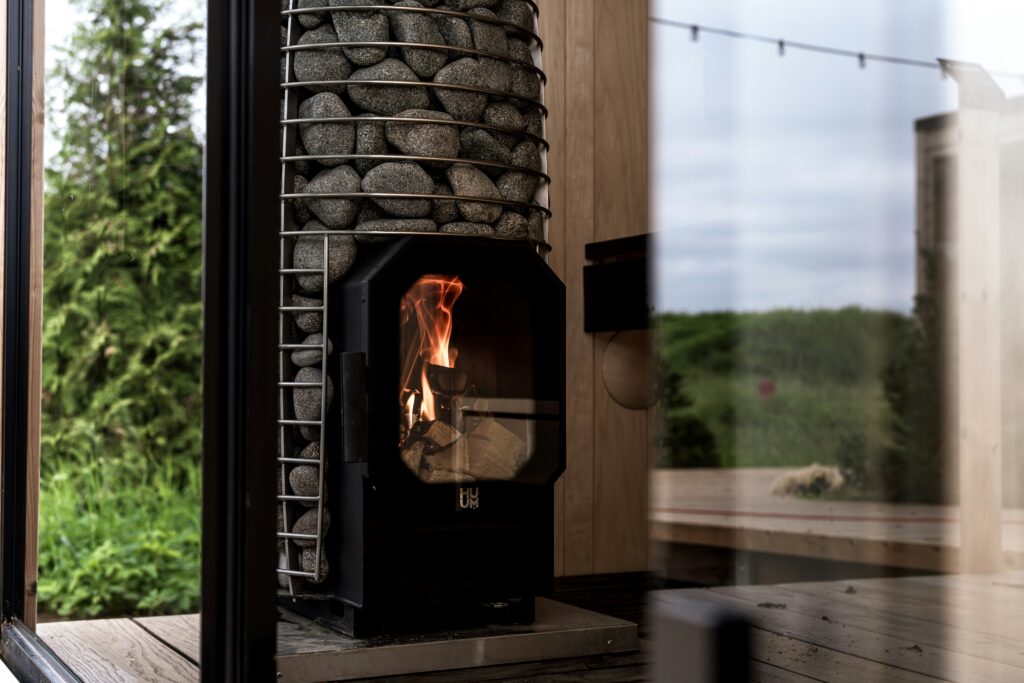
If you have an older, non-EPA-certified wood stove, you’re fighting an uphill battle when it comes to how to reduce wood stove smoke. Modern EPA-certified stoves are designed specifically to burn cleaner and more efficiently.
The EPA’s current emission standards (as of 2020) require wood stoves to emit no more than 2.0 grams per hour of particulate matter when tested with crib wood, or 2.5 grams per hour when tested with cordwood. Compare that to older, uncertified stoves that can produce 50-100 grams per hour, and you can see why upgrading makes such a difference.
Modern stoves achieve these low emissions through better design: secondary combustion systems, insulated fireboxes, precise air control, and better door seals. All of these features help you understand how to reduce wood stove smoke while also reducing outdoor air pollution.
If you’re in the market for a new stove, check out our guides on small wood stoves for cabins or best wood stove for mobile homes.
When All Else Fails: Professional Help
Sometimes, despite your best efforts to learn how to reduce wood stove smoke, you need professional expertise. There’s no shame in calling for help, especially when dealing with safety issues.
Situations That Require a Professional
- Chimney height or design problems
- Damaged or deteriorated chimney liners
- Severe creosote buildup (more than 1/4 inch)
- Structural chimney problems (cracks, missing mortar, collapsed sections)
- Persistent smoke problems despite trying all fixes
- Installing outside air kits
- Any time you smell gas or suspect carbon monoxide issues
Finding Qualified Help
Look for CSIA (Chimney Safety Institute of America) certified chimney sweeps. These professionals have been trained and tested on proper chimney maintenance and safety procedures. You can find certified sweeps through the CSIA website.
For installation or major repairs, you want someone who’s certified to install wood burning equipment and who understands local building codes. Check references and make sure they carry proper insurance.
A thorough professional inspection typically costs $100-200 and can identify problems you might miss. It’s money well spent for peace of mind.
FAQ: How to Reduce Wood Stove Smoke Inside Your Home
Why does smoke come into my room only when I open the stove door to add wood?
This happens when draft is marginal or when you open the door too quickly. Before opening the door, reduce your air intake and wait 30-60 seconds for the fire to calm down. Open the door slowly, just a crack at first, to let pressure equalize. This technique helps reduce wood stove smoke inside your home during wood loading. Also check that your chimney is clean and tall enough for adequate draft.
How can I reduce wood stove smoke inside my home if my wood is slightly wet?
If you’re stuck with less-than-ideal wood, burn smaller pieces in a hotter fire to help evaporate the excess moisture. Mix wet wood with properly seasoned pieces, don’t load the firebox with all marginal wood. Keep your air intake more open than usual to maintain higher temperatures. However, this is a temporary solution, investing in properly seasoned firewood is the real answer to reduce wood stove smoke inside your home long-term.
Does outside temperature affect how much smoke comes into my house?
Absolutely. Cold weather actually helps draft because the temperature difference between inside and outside is greater. Mild weather (40-60°F) is when you’ll have the most trouble. On warm days, consider not burning at all or using just a very small, hot fire. You can also pre-warm your chimney by burning newspaper before starting your main fire to help reduce wood stove smoke inside your home during shoulder seasons.
Can my house being “too tight” really cause smoke problems?
Yes, modern energy-efficient homes can create negative pressure that fights against your chimney draft. This is especially problematic when you run kitchen exhaust fans, bathroom fans, or clothes dryers while your stove is burning. The solution is to provide makeup air, either through an outside air kit for your stove or by cracking a window near the stove when burning to reduce wood stove smoke inside your home caused by pressure imbalances.
How often should I clean my chimney to prevent smoke problems?
The Chimney Safety Institute of America recommends annual professional cleaning at minimum. However, if you burn more than 3 cords per year, burn frequently during winter, or notice rapid creosote buildup, clean it twice a year. Some people need cleaning every 2-3 months during heavy-use winter months. Regular cleaning is one of the most important steps to reduce wood stove smoke inside your home and prevent dangerous chimney fires.
Will a chimney cap help reduce smoke coming into my room?
A properly installed chimney cap prevents downdrafts caused by wind and keeps rain from cooling your chimney, both of which can help draft. However, a cap won’t fix fundamental problems like insufficient chimney height, creosote buildup, or wet wood. Think of it as one piece of the puzzle to reduce wood stove smoke inside your home, not a standalone solution. Make sure your cap has adequate clearance and doesn’t restrict airflow.
My wood stove worked fine last year but smokes this year, what changed?
Most likely your chimney needs cleaning, creosote buildup gradually reduces draft over time. Other possibilities include a damaged door gasket letting air leak where it shouldn’t, a damper that’s stuck partially closed, new construction or tree growth affecting draft, or even birds nesting in spring if you don’t have a cap. Start with a thorough chimney inspection and cleaning to reduce wood stove smoke inside your home, then check gaskets and air controls.
Conclusion: Your Path to Smoke-Free Heating
Learning to reduce wood stove smoke inside your home isn’t rocket science, but it does require attention to detail and consistent good habits. Start with the basics: burn only dry, seasoned wood, keep your chimney clean, and master your air intake controls. These three factors alone will solve most smoking problems.
If you’re still having issues after addressing the fundamentals, work through the other fixes systematically. Check your chimney height and design, look for blockages, address negative pressure problems, and refine your fire-starting technique. Most smoke problems have multiple contributing factors, and you may need to fix several things to completely eliminate the issue.
Remember that a properly functioning wood stove should produce almost no visible smoke from the chimney, just a faint heat shimmer. If you’re seeing thick smoke rolling out your chimney or, worse, into your room, something’s wrong. Don’t accept it as “normal” and don’t keep burning that way. Excessive smoke means you’re wasting fuel, damaging your chimney, polluting the air, and potentially creating a safety hazard.
Take the time to diagnose and fix your specific issues. Your efforts to reduce wood stove smoke inside your home will reward you with cleaner air, better heating efficiency, lower wood consumption, and most importantly, a safe and cozy home all winter long. For more detailed guidance on wood stove operation and maintenance, visit WoodStoveHub for expert reviews, DIY guides, and installation tips.
