
You’re about to buy a $3,500 wood stove, and you just heard someone mention a tax credit. You brush it off, thinking it’s probably $100 or maybe $200 if you’re lucky. Then you look it up and realize you can get $1,050 back, not some tiny deduction, an actual check-reducing, tax-lowering credit worth 30% of your total cost.
Here’s the short answer: The wood stove tax credit for 2026 gives you 30% back (up to $2,000) on both the purchase AND installation of qualifying wood or pellet stoves with 75% or higher thermal efficiency. You must install by December 31, 2025, and file IRS Form 5695 with your 2025 taxes in 2026. The stove must be EPA-certified and installed in your U.S. residence (primary or secondary).
This isn’t some obscure loophole. It’s a federal incentive under Section 25C of the Internal Revenue Code designed to encourage energy-efficient heating according to the IRS residential energy credits page. But here’s the catch: most people mess up the paperwork, buy non-qualifying stoves, or miss the deadline entirely.
In this guide, you’ll learn exactly which wood stoves qualify for the wood stove tax credit (there are 52 models), how to calculate your exact credit amount, the step-by-step filing process on Form 5695, common mistakes that kill your claim, and what costs beyond the stove itself count toward the 30%. I’ll also show you the December 31, 2025 deadline you cannot miss and what happens if you file late.
Let’s make sure you get every dollar you’re entitled to, because $2,000 is worth 20 minutes of your time to understand this correctly.
Understanding the Wood Stove Tax Credit for 2026
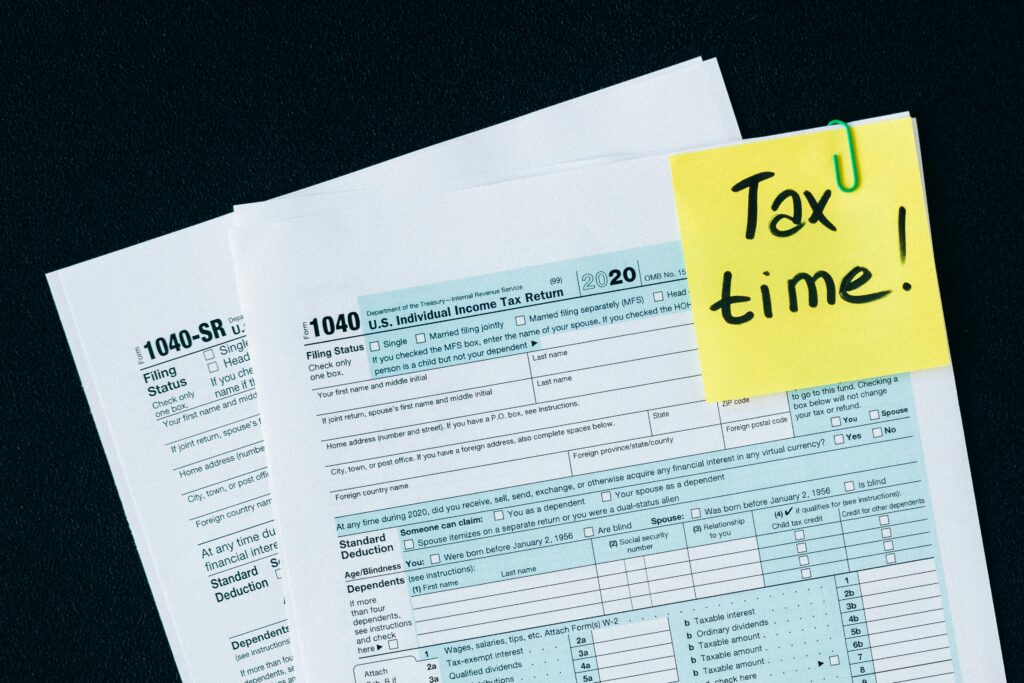
The wood stove tax credit operates under the Energy Efficient Home Improvement Credit, specifically Section 25C of the tax code. This is a non-refundable tax credit, meaning it reduces your tax liability dollar-for-dollar but won’t generate a refund if your tax bill is less than the credit amount.
Here’s how it works in practice. Let’s say you owe $3,000 in federal taxes for 2025. You install a qualifying wood stove and claim a $1,500 wood stove tax credit. Your tax bill drops to $1,500. However, if you only owed $1,200 in taxes, your credit would max out at $1,200 and you’d lose the remaining $300. That’s what “non-refundable” means.
The credit is calculated as 30% of your total qualified expenses, including purchase price, installation labor, venting, hearth pads, chimney components, and even the blower if it’s part of the installation. The maximum annual credit is $2,000, which means you’d need to spend at least $6,667 in total costs to hit that cap.
What Makes This Different from a Deduction
Tax credits beat tax deductions every single time. A deduction reduces your taxable income (so a $2,000 deduction might save you $400-500 depending on your tax bracket), while a credit reduces your actual tax bill by the full amount. A $2,000 wood stove tax credit saves you the full $2,000.
This matters when you’re budgeting. That $3,500 wood stove with $800 in installation costs ($4,300 total) generates a $1,290 wood stove tax credit. Your real cost drops to $3,010, not the $3,440 you’d pay with a simple tax deduction in the 22% bracket.
The Critical December 31, 2025 Deadline
This is the most important date to remember: you must complete installation by December 31, 2025, to claim the wood stove tax credit on your 2025 taxes. Due to the Budget Reconciliation Act, the wood stove tax credit expires after December 31, 2025.
“Installation completed” means the stove is installed, vented, and operational. Just purchasing it isn’t enough, and having it delivered but not installed doesn’t count. Get your installation scheduled well before the holidays, because every installer in your area will be booked solid in late December as people rush to meet this deadline.
The good news? There’s no lifetime limit on the wood stove tax credit. If you installed a qualifying stove in 2023 and got $2,000, you can install another in 2024 and get another $2,000. The $2,000 cap is annual, not lifetime.



The 75% Efficiency Requirement Explained
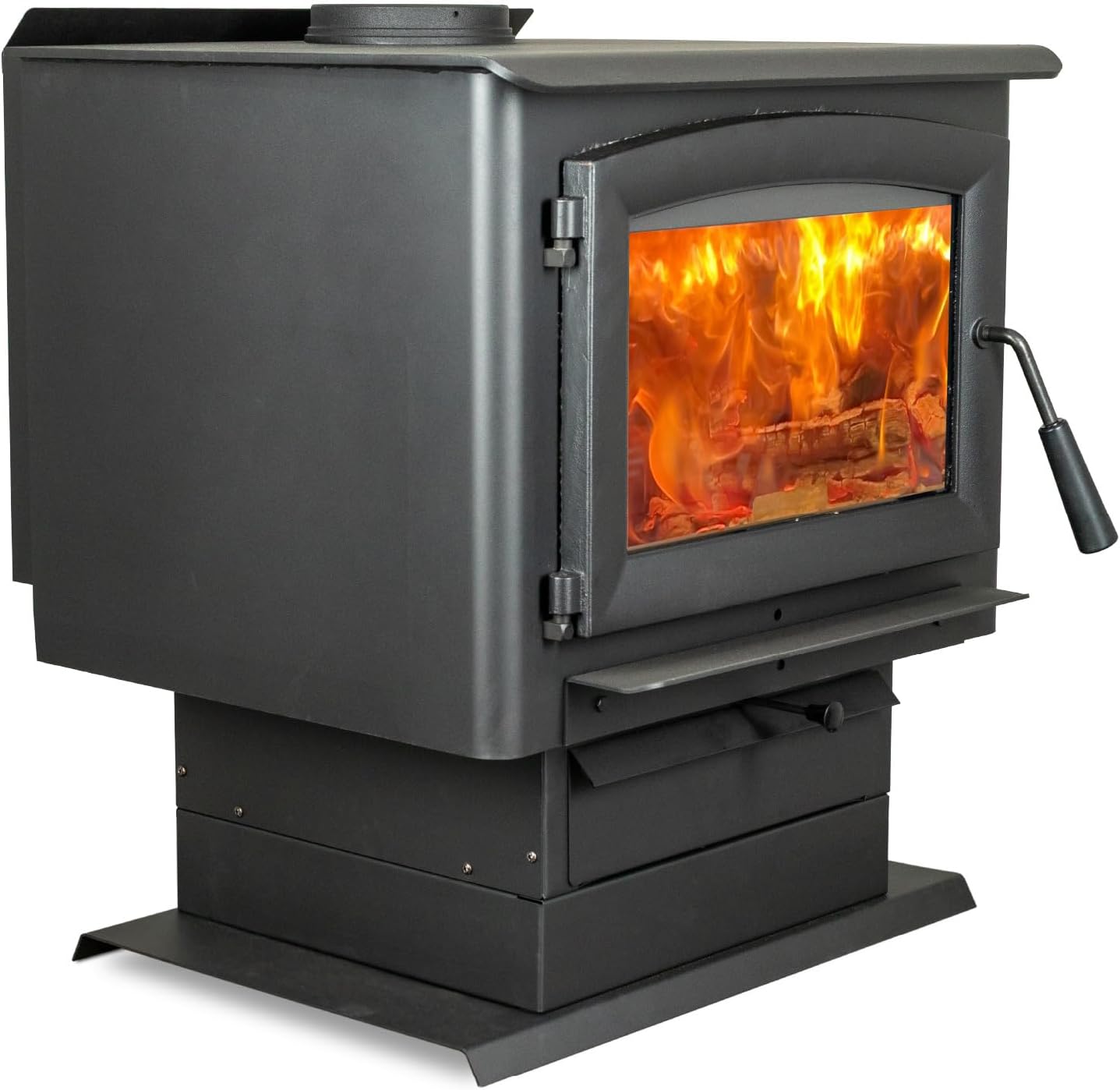
To qualify for the wood stove tax credit, your stove must achieve at least 75% thermal efficiency using the Higher Heating Value (HHV) measurement method. This is not negotiable, and it’s where most people get confused because there are two different efficiency measurements used in the industry.
HHV vs LHV: Understanding the Difference
Higher Heating Value (HHV) tests use cordwood with approximately 20% moisture content, generating efficiency results similar to what wood stove owners experience in their homes, while Lower Heating Value (LHV) tests assume zero moisture content. The same stove tested at 80% efficiency using LHV might only hit 75% using HHV.
The IRS requires HHV measurements for the wood stove tax credit, which you can verify in the EPA’s certified wood heater database. Don’t trust manufacturer marketing materials that only list LHV numbers, they’re inflated and won’t help you when the IRS audits your claim.
Most catalytic wood stoves easily exceed the 75% threshold, often reaching 78-85% HHV efficiency which you can verify in the EPA’s certified wood heater database. Our complete guide on catalytic vs non-catalytic wood stoves explains the efficiency differences in detail. Non-catalytic stoves typically range from 68-78%, with many qualifying models just barely meeting the requirement.
How to Verify Your Stove Qualifies
Before you buy, check three things:
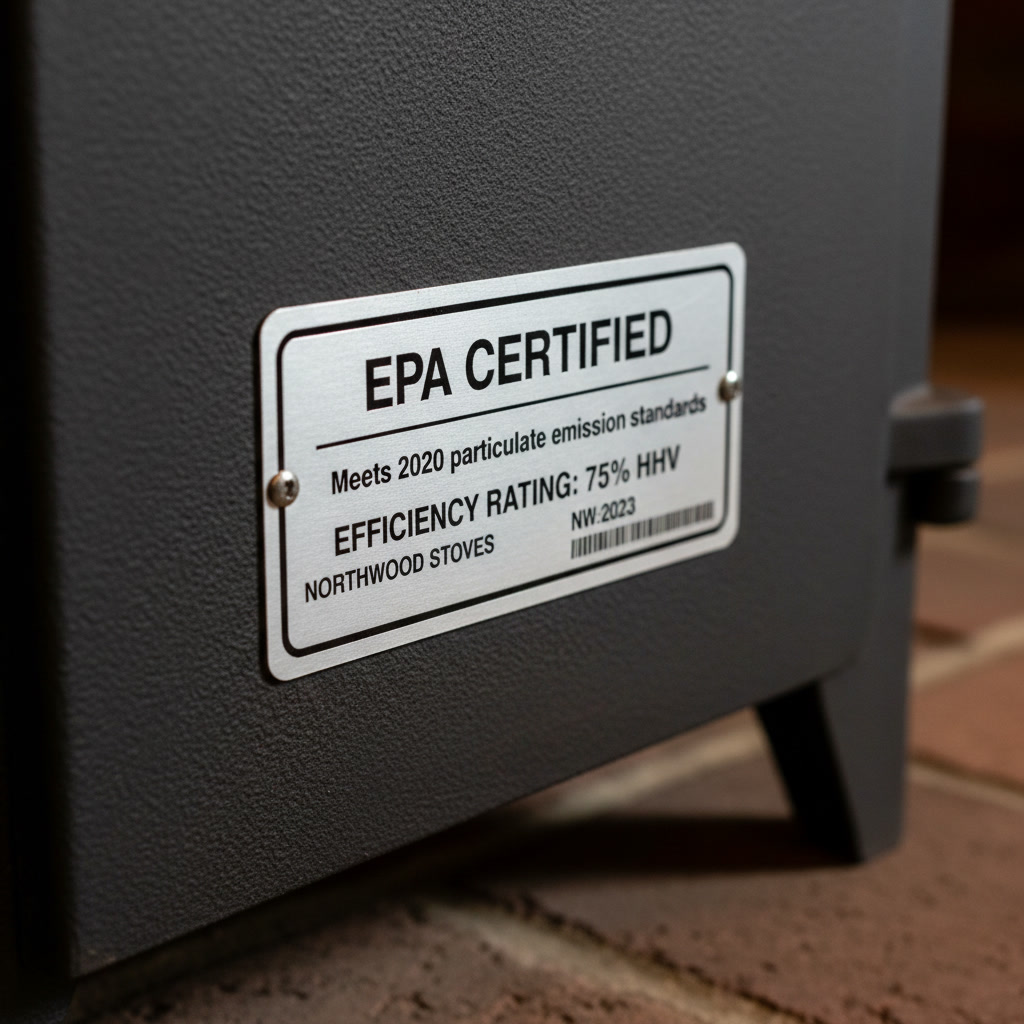
- EPA Certification Label: Every qualifying stove has a permanent metal label on the back showing EPA certification and the emission rate (must be 4.5 g/hr or less for stoves manufactured after 2020).
- Efficiency Rating: Look for the HHV efficiency percentage on the EPA database or manufacturer’s certification document. It must say “75% or higher” specifically using HHV measurement.
- Manufacturer’s Certificate: Your retailer should provide a manufacturer’s tax credit certificate that you’ll submit with Form 5695. Keep this certificate with your tax records.
If you’re buying a used stove or installing one from years ago, it might not qualify even if it’s EPA-certified. The 75% efficiency requirement wasn’t always the standard, so older stoves (pre-2020) might not make the cut. Check the EPA database using your exact model number before assuming eligibility.
Which Costs Count Toward the Wood Stove Tax Credit
This is where people leave money on the table. The wood stove tax credit doesn’t just cover the stove, it covers your entire installation system. The 30% credit applies to purchase and installation costs including venting, blower, ash pan, trim kits, hearth pad, and labor.
Here’s a real-world example of what counts:
Qualifying Costs:
| Cost Item | Amount |
|---|---|
| Wood stove purchase price | $3,200 |
| Chimney liner (stainless steel) | $650 |
| Hearth pad (r-value rated) | $280 |
| Professional installation labor | $800 |
| Chimney cap | $120 |
| Stove pipe (double-wall) | $340 |
| Floor protection tiles | $110 |
| Total Qualifying Costs | $5,500 |
| Your 30% Wood Stove Tax Credit | $1,650 |
Non-Qualifying Costs:
- Chimney cleaning before installation: $200
- Extended warranty purchase: $300
- Interest on financing: varies
- Delivery fee: $75
- Old stove removal: $150
The professional installation costs typically run $800-2,000 depending on your chimney situation, and all of that labor counts toward your wood stove tax credit calculation. This is huge, because you’re getting 30% back on work you had to pay for anyway. Look for installers certified by the Chimney Safety Institute of America (CSIA) or National Fireplace Institute (NFI).
Hearth Pad and Floor Protection Considerations
Your hearth pad must provide proper R-value protection (typically R-1.2 or higher) and extend the required distances from the stove. The entire cost of compliant floor protection qualifies for the wood stove tax credit, whether you buy a prefab pad for $200-400 or build a custom tile installation for $500-800.
What doesn’t count: decorative floor tiles added purely for aesthetics beyond the required protection area. If your safety area requires 48 inches but you tile out to 72 inches for looks, only the first 48 inches worth of materials qualifies. Keep your receipts itemized to separate required safety materials from optional decorative elements.
Complete List of Qualifying Wood Stove Models
As of January 2026, 52 wood stove models qualify for the wood stove tax credit based on achieving 75% or higher HHV efficiency. These include both freestanding stoves and fireplace inserts from major manufacturers.
Top Qualifying Brands and Models
Drolet (Canadian manufacturer, excellent value):
- Drolet Escape 1800: 78% HHV efficiency, heats up to 2,100 sq ft
- Drolet HT-3000: 77% HHV efficiency, high-output model at 110,000 BTUs
- Drolet Deco Nano: 76% HHV efficiency, compact design for smaller spaces
Vermont Castings (premium catalytic models):
- Vermont Castings Defiant: 82% HHV efficiency, 56,000 BTUs, heats 2,400 sq ft
- Vermont Castings Dauntless: 79% HHV efficiency, mid-size option
- All Vermont Castings catalytic models exceed the 75% threshold for the wood stove tax credit
Blaze King (industry-leading efficiency):
- Blaze King Princess: 83% HHV efficiency, legendary 40-hour burn times
- Blaze King King: 81% HHV efficiency, largest heating capacity
- Blaze King Ashford: 80% HHV efficiency, contemporary styling
HearthStone (soapstone construction): All 16 HearthStone freestanding wood stove models have met or exceeded the 75% HHV efficiency threshold required for the wood stove tax credit. Their soapstone construction provides exceptional heat retention and even heat distribution.
Budget-Friendly Qualifying Models:
- Ashley Hearth AW1120E-P: 75% HHV efficiency, under $1,000, EPA certified, For a comprehensive review of Ashley Hearth models, check our Ashley Hearth wood stove buying guide.
- Vogelzang TR007 Defender: 76% HHV efficiency, compact 1,200 sq ft coverage
- Pleasant Hearth WS-2417: 75% HHV efficiency, affordable entry point
For the complete official list, check the EPA’s certified wood heater database and filter for models showing 75% or higher overall efficiency (HHV). Don’t rely on retailer claims alone, verify independently before purchase.
Pellet Stoves That Qualify
Pellet stoves meeting the 75% efficiency standard also qualify for the wood stove tax credit. Biomass stoves burn biomass fuel including agricultural crops, wood and wood waste and residues like wood pellets, plants, grasses, and fibers. Popular qualifying pellet models include many Harman, Quadra-Fire, and Enviro units.
The advantage of pellet stoves for the wood stove tax credit is that most modern pellet stoves exceed 78% HHV efficiency due to their controlled combustion systems. If you’re considering pellets over cordwood, you’ll likely have an easier time finding qualifying models.
How to File for the Wood Stove Tax Credit: Step-by-Step
Filing for the wood stove tax credit requires IRS Form 5695, Residential Energy Credits. This is a two-page form that calculates both the Energy Efficient Home Improvement Credit (Section 25C, where wood stoves fall) and the Residential Clean Energy Credit (Section 25D, for solar and geothermal).
Before You File: Documentation You Need
Gather these documents before starting Form 5695:
- Purchase Receipt: Itemized receipt showing stove model, price, and purchase date
- Installation Receipt: Separate invoice for labor, materials, venting, and components
- Manufacturer’s Tax Credit Certificate: Most manufacturers provide this automatically for qualifying models
- EPA Certification Proof: Screenshot from EPA database showing your model’s efficiency rating
- For 2025 Installations: The Qualified Manufacturers Identification Number (QMID), a 4-character PIN required for Form 5695 starting with 2025 tax year claims
Keep photocopies of everything. The IRS may require you to keep records for as long as your basis in a dwelling unit is relevant in determining income tax, which can mean years after the installation.
Completing Form 5695, Part II (Lines 22-31)
The wood stove tax credit is claimed in Part II of Form 5695. Here’s how to fill it out:
| Line Number | What to Enter | Your Amount |
|---|---|---|
| Line 22a-22c | Leave blank (other energy improvements) | – |
| Line 23 | Leave blank (other improvements) | – |
| Line 24a-24g | Leave blank (home envelope improvements) | – |
| Line 25-28 | Leave blank (heating/cooling equipment other than biomass) | – |
| Line 29a | Enter ZERO (other qualified energy property) | $0 |
| Line 29b | Total cost of wood stove + installation + components | $_______ |
| Line 29c | Check “Biomass stove” box | ✓ |
| Line 29d-29f | Leave blank | – |
| Line 29g | Enter your total from line 29b again | $_______ |
| Line 29h | Multiply line 29g by 30% (0.30). If exceeds $2,000, enter $2,000 | $_______ |
| Line 30 | Add all applicable lines (likely just your line 29h) | $_______ |
| Line 31 | Complete the Energy Efficient Home Improvement Credit Limit Worksheet | $_______ |
| Line 32 | Enter the smaller of line 30 or line 31 (this is your final credit) | $_______ |
Transfer the amount from line 32 to your Form 1040, Schedule 3, line 5. You must claim the credit for the tax year when the property is installed, not merely purchased.



Common Filing Mistakes That Delay or Deny Claims
Mistake #1: Filing the Wrong Year If you installed in December 2025, you claim it on your 2025 taxes filed in 2026. Don’t try to claim it early on 2024 taxes just because you bought it in 2024 but haven’t installed yet.
Mistake #2: Missing the QMID Number For 2025 installations, forgetting to include the manufacturer’s QMID will result in automatic rejection. Get this from your retailer at purchase.
Mistake #3: Including Non-Qualifying Costs Extended warranties, interest charges, and delivery fees don’t count. Include them and the IRS will recalculate your credit and potentially trigger an audit.
Mistake #4: No Supporting Documentation Attach your manufacturer’s certificate to Form 5695. The IRS frequently requests this during processing. Not having it ready causes months of delays.
Mistake #5: Exceeding the $2,000 Cap Without Realizing It If you spent $8,000 total, you don’t get $2,400 (30%), you get $2,000 (the maximum). Plan your installation costs accordingly.
Maximizing Your Wood Stove Tax Credit Value
Since the credit caps at $2,000, there’s a sweet spot for spending. Any total costs between $6,667 and $20,000 get you the full $2,000 credit, so spending more than $6,667 doesn’t increase your benefit (unless you genuinely need those higher-end features).
Strategic Installation Timing
Install by November if possible. Waiting until December risks missing the December 31, 2025 deadline due to installer backlogs, weather delays, or inspection scheduling problems. Many installers are already booking into late 2025 as of early 2026.
If you’re considering multiple home improvements that qualify for different credits, coordinate timing carefully. Any combination of heat pumps, heat pump water heaters, and biomass stoves are subject to an annual total limit of $2,000. Installing both a wood stove and heat pump in the same year means you split that $2,000 cap between them.
Better strategy: Install the wood stove in 2024 or 2025 (before the deadline), then do the heat pump in 2026 if other energy credits get extended, or vice versa. This way each installation gets its own $2,000 maximum.
Bundling Installation Costs Wisely
The 30% credit applies to necessary installation components. If you need chimney work anyway, do it all during the wood stove installation to capture that 30% credit on the entire project.
For example, if your chimney needs relining ($1,200), you need a new chimney cap ($150), and your hearth requires rebuilding ($800), doing all this during wood stove installation makes all $2,150 eligible for the 30% credit, saving you $645. Do the chimney work separately next year and you get $0 credit on it.
That said, don’t create unnecessary work just to hit the $6,667 threshold. A $3,500 stove with $800 installation ($4,300 total) gives you a $1,290 wood stove tax credit, which is still significant. Adding $2,367 in questionable “upgrades” to reach $6,667 for the full $2,000 credit only nets you an extra $710 but costs you $2,367 out of pocket, a terrible deal.
Wood Stove Tax Credit for Inserts vs Freestanding Stoves
Both fireplace inserts and freestanding wood stoves qualify for the wood stove tax credit under the same rules, but installation costs differ significantly, affecting your total credit value.
Fireplace Insert Considerations
Installing a wood stove insert in an existing fireplace typically costs $3,000-5,500 total (stove plus installation), while freestanding stoves average $2,500-4,500. The higher insert costs are due to liner installation, surround fitting, and more complex labor.
From a wood stove tax credit perspective, this works in your favor. A $3,200 insert with $1,800 in installation and liner costs totals $5,000, generating a $1,500 credit. That brings your net cost to $3,500, very competitive with freestanding stoves.
The efficiency requirement is identical: 75% HHV or higher. Many popular inserts easily qualify, including:
| Model | HHV Efficiency | Heating Capacity |
|---|---|---|
| Drolet Escape 1800-I (insert version) | 78% | Up to 2,100 sq ft |
| Osburn 2000 Insert | 77% | Up to 2,000 sq ft |
| Quadra-Fire Expedition II Insert | 76% | Up to 1,800 sq ft |
| Pacific Energy Summit LE Insert | 80% | Up to 2,400 sq ft |
Insert installations often need less floor protection since the fireplace already has a hearth, but you’ll still need proper clearances and potentially a larger hearth pad depending on your model.
Freestanding Stove Installation Costs
Freestanding stoves require complete chimney systems if you don’t have existing chimneys, or chimney liner retrofits if you do. A full Class-A chimney installation adds $2,000-4,000 to costs, but remember, 30% of that qualifies for the wood stove tax credit.
For a small cabin with no existing chimney, you might pay:
| Item | Cost |
|---|---|
| Compact wood stove | $1,200 |
| Class-A chimney system | $2,800 |
| Hearth pad | $250 |
| Installation labor | $900 |
| Total | $5,150 |
| Wood Stove Tax Credit (30%) | $1,545 |
| Net Cost | $3,605 |
That’s substantial. You’re essentially getting a free chimney system thanks to the 30% credit covering $840 of the $2,800 chimney cost.
If you’re heating a compact space, our best low BTU wood stove guide covers models perfect for smaller homes and cabins.
State and Local Incentives That Stack with Federal Credit
Some states offer additional rebates or tax credits that combine with the federal wood stove tax credit, effectively reducing your costs even further. These vary by location and change frequently, but as of early 2026, several programs remain active.
State-by-State Wood Stove Incentive Guide
| State | Program Type | Amount | Stacks with Federal? | Status |
|---|---|---|---|---|
| Vermont | Rebate | Up to $2,500 | Yes | Active |
| Montana | State Tax Credit | Varies | Yes | Active |
| New York (select counties) | NYSERDA Rebate | Up to $1,000 | Yes | Check county |
| Oregon | State Tax Credit | Up to $500 | No (either/or) | Active |
| Washington | Sales Tax Exemption | ~8-10% savings | Yes | Active |
| Colorado (select districts) | Change-Out Program | $500-1,500 | Yes | Limited areas |
| Idaho | Tax Deduction | Varies | Yes | Active |
| Massachusetts (select districts) | Change-Out Program | $1,000-2,000 | Yes | Limited areas |
Visit the Department of Energy’s energy efficiency page for information on state-level incentives.
How to Check Your State:
- Visit your state’s energy office website
- Search for “wood stove” or “biomass heating” programs
- Contact your local air quality district
- Ask your wood stove retailer about local programs
Many air quality management districts offer “change-out” programs where they pay you $500-2,000 to replace an old, non-compliant stove. These payments typically don’t affect your wood stove tax credit eligibility, but verify with your local district.
Utility Company Rebates
If your power or gas company offers rebates for switching to wood heat (some do to reduce grid demand during peak winter periods), those rebate amounts must be subtracted from your total costs before calculating the 30% wood stove tax credit.
Example: Your stove and installation cost $5,000. Your utility rebates $500. Your qualifying cost is now $4,500, and your 30% credit is $1,350 (not $1,500). You still get both benefits, just not double-dipping on the same $500.
What Happens If You Move or Remove the Stove
The wood stove tax credit has no clawback provision. Once you claim it, it’s yours forever, even if you sell the house a month later or remove the stove.
Selling a Home with a Qualifying Wood Stove
When you sell, the wood stove adds value to your home but the new buyer cannot claim the wood stove tax credit for that installation. The credit is only available to the person who paid for and installed the unit. The new homeowner could, however, install a second qualifying wood stove elsewhere in the home and claim their own credit.
One tax consideration: because you reduced your home’s cost basis by the credit amount, you might owe slightly more capital gains tax when selling if your home appreciated significantly. For most people this is negligible, if your home’s basis was $300,000 and you reduce it by $1,500 from the wood stove tax credit, you’d owe capital gains on an additional $1,500 of appreciation, which at 15% capital gains rate is $225, still a huge net benefit.
Removing or Upgrading Your Stove
If you remove the stove after claiming the credit, you keep the credit. You don’t have to inform the IRS or repay anything. This differs from some energy credits that have recapture provisions if you sell the property within years.
If you want to upgrade to a newer, more efficient model in future years, you can claim the wood stove tax credit again if new qualifying programs are created by Congress (though the current program ends December 31, 2025). There’s no prohibition on installing multiple qualifying stoves over time.
Wood Stove Tax Credit Calculation Worksheet
Here’s how to calculate your exact credit amount:
| Cost Category | Your Amount | Qualifies? |
|---|---|---|
| Wood stove purchase price | $_________ | ✓ Yes |
| Professional installation labor | $_________ | ✓ Yes |
| Chimney liner (Class A or stainless) | $_________ | ✓ Yes |
| Stove pipe and venting | $_________ | ✓ Yes |
| Hearth pad (required R-value) | $_________ | ✓ Yes |
| Floor protection tiles (required area) | $_________ | ✓ Yes |
| Chimney cap | $_________ | ✓ Yes |
| Blower/fan (if part of installation) | $_________ | ✓ Yes |
| Chimney cleaning (pre-installation) | $_________ | ✗ No |
| Extended warranty | $_________ | ✗ No |
| Delivery fee | $_________ | ✗ No |
| Financing interest | $_________ | ✗ No |
| Old stove removal | $_________ | ✗ No |
| TOTAL QUALIFYING COSTS | $_________ | |
| Multiply by 30% (0.30) | $_________ | |
| If above $2,000, enter $2,000 | $_________ | ← Your Credit |
Example Calculation
Let’s say you purchased a Drolet Escape 1800 for $2,800, paid $900 for professional installation, needed a $650 chimney liner, bought a $280 hearth pad, and spent $420 on stove pipe and a chimney cap.
- Total qualifying costs: $2,800 + $900 + $650 + $280 + $420 = $5,050
- Wood stove tax credit: $5,050 × 30% = $1,515
- You’ll claim $1,515 on Form 5695
Your real out-of-pocket cost becomes $5,050 – $1,515 = $3,535 instead of $5,050.
Comparison: Wood Stove Tax Credit vs Other Home Energy Credits
Understanding how the wood stove tax credit stacks up against other available energy credits helps you prioritize improvements:
| Credit Type | Maximum Credit | Percentage | Annual Cap | Deadline |
|---|---|---|---|---|
| Wood/Pellet Stove (Biomass) | $2,000 | 30% | $2,000 combined* | Dec 31, 2025 |
| Heat Pump | $2,000 | 30% | $2,000 combined* | Dec 31, 2032 |
| Heat Pump Water Heater | $2,000 | 30% | $2,000 combined* | Dec 31, 2032 |
| Windows/Doors | $600 | 30% | Separate cap | Dec 31, 2032 |
| Insulation | $1,200 | 30% | Separate cap | Dec 31, 2032 |
| Home Energy Audit | $150 | 30% | Separate cap | Dec 31, 2032 |
| Solar Panels (Residential) | No limit | 30% | No annual cap | Dec 31, 2032 |
*Combined cap means heat pumps, heat pump water heaters, and biomass stoves share the $2,000 annual limit.
Key Takeaway: The wood stove tax credit expires three years earlier than most other energy credits, making it the most urgent to claim if you’re considering multiple home improvements.
Taking Action: Your Next Steps Before December 31, 2025
The wood stove tax credit deadline is real and it’s approaching fast. If you’re serious about claiming up to $2,000 back on your wood stove purchase and installation, here’s your action plan.
Immediate Steps (This Month)
- Check the EPA Database: Go to the EPA’s certified wood heater database and verify that models you’re considering show 75% or higher HHV efficiency. Screenshot the results for your records.
- Get Multiple Installation Quotes: Contact at least three certified installers in your area. Be upfront that you need completion by December 31, 2025 to qualify for the wood stove tax credit. Expect 2-4 month lead times minimum for quality installers.
- Verify Your Tax Situation: Look at your 2024 tax return and estimate what you’ll owe for 2025. Remember, this is a non-refundable credit. If you typically get large refunds (meaning you overpay through withholding), the wood stove tax credit will increase those refunds. If you typically owe, it’ll reduce what you owe.
- Check State and Local Programs: Visit your state energy office website and local utility company pages to see if additional rebates are available in your area. Many programs have separate application deadlines earlier than December.
Next 30-60 Days
- Purchase Your Stove: Once you’ve verified efficiency ratings and installer availability, make your purchase. Get an itemized receipt showing the model number, efficiency rating, and EPA certification number.
- Request Your QMID: For 2025 installations, get the Qualified Manufacturers Identification Number from your retailer at the time of purchase. This 4-character PIN is required for Form 5695.
- Schedule Installation: Lock in your installation date immediately after purchase. Professional installers are booking 2-4 months out in most areas, and December slots fill up fast as people rush to beat the deadline.
- Get Your Paperwork in Order: Request the manufacturer’s tax credit certificate from your retailer at the time of purchase. This document is essential for Form 5695 and should include the QMID number for 2025 installations.
Installation and Documentation Phase
Once your stove is installed, your focus shifts to documentation and filing preparation:
Immediately After Installation:
- Get itemized invoices for everything: stove, labor, venting, hearth pad, chimney work, and all components
- Take photos of the completed installation, including the EPA certification label on the stove
- File all receipts in a dedicated folder (physical and digital copies)
- Download your stove’s efficiency certification from the EPA database
- Verify you received the manufacturer’s tax credit certificate
Before Tax Season 2026:
- Organize all documentation in one location
- Calculate your expected wood stove tax credit using the worksheet above
- Estimate your 2025 tax liability to ensure you can use the full credit
- Consider adjusting your W-4 withholding if needed to maximize the credit benefit
Frequently Asked Questions
Can I claim the wood stove tax credit if I install the stove in my second home or rental property?
Yes, you can claim the wood stove tax credit for installations in your second home. The Inflation Reduction Act permits biomass heaters installed in the U.S. at a residence of the taxpayer, not necessarily the taxpayer’s principal residence. However, rental properties where you don’t reside at all don’t qualify. The property must be your residence, whether primary or secondary.
What if I finance my wood stove purchase? Does the tax credit still apply?
Yes, the wood stove tax credit applies whether you pay cash or finance your purchase. It doesn’t matter if you pay for the stove and installation up front or finance your purchase. However, interest charges on the financing are not eligible costs for calculating the credit. Only the principal cost of the stove and installation qualify for the 30% credit.
Do I need professional installation to claim the wood stove tax credit?
No, DIY installation is allowed for the wood stove tax credit. The credit covers the stove and materials regardless of who installs it. However, if you hire professional installation, those labor costs do qualify for the 30% credit. Most insurance companies require professional installation with proper permits for coverage, which is something to consider even though it’s not required for the credit itself.
Can I claim the wood stove tax credit and also deduct the cost as a medical expense?
No. You cannot double-dip by claiming both the wood stove tax credit and a medical expense deduction for the same stove. You must choose whichever provides the greater tax benefit, which is almost always the 30% credit rather than a medical deduction. The credit typically saves you more money than a deduction would.
What happens if my wood stove tax credit exceeds my tax liability?
The credit is non-refundable, meaning it can only reduce your tax liability to zero, not create a refund. If you owe $1,000 in taxes and claim a $1,500 wood stove tax credit, your tax bill becomes $0 but you don’t get the extra $500 back. The unused $500 is lost and cannot be carried forward to future years. This is why it’s important to estimate your tax liability before installation.
If I bought the stove in 2024 but install it in 2025, which year do I claim the credit?
You must claim the credit for the tax year when the property is installed, not merely purchased. In your scenario, you’d claim the wood stove tax credit on your 2025 tax return filed in 2026, regardless of when you purchased the stove. The installation date determines which tax year applies.
Does the $2,000 cap apply per stove or per household?
The $2,000 cap applies per household per year, and it’s actually a combined cap for heat pumps, heat pump water heaters, and biomass stoves. Any combination of these three equipment types is subject to an annual total limit of $2,000. If you install two qualifying wood stoves in the same year, you still only get $2,000 total, not $2,000 per stove.
Can I claim the wood stove tax credit if I live in a cooperative or condominium?
Yes, with special rules. An individual tenant-stockholder in a cooperative housing corporation will be treated as having paid the taxpayer’s proportionate share of any amounts paid by such corporation for qualified property. You can claim your proportionate share of the credit based on your ownership percentage. Regular condo owners can claim the full credit if they pay for and install a qualifying stove in their unit.
Final Thoughts: Don’t Leave $2,000 on the Table
The wood stove tax credit represents one of the most generous federal incentives for home heating improvements, but it comes with a hard deadline that many homeowners will miss. With the December 31, 2025 cutoff approaching, now is the time to act if you’ve been considering a wood stove upgrade.
Remember the key points:
- You need 75% HHV efficiency (not LHV) for your stove to qualify
- Installation must be complete by December 31, 2025
- The credit is 30% of total costs, capped at $2,000
- Installation labor, venting, and hearth protection all count toward the credit
- You’ll file using Form 5695 with your 2025 tax return in 2026
- State and local incentives may stack with the federal wood stove tax credit
Whether you’re heating a cabin, looking for backup power outage protection, or just want to reduce your heating bills, a qualifying wood stove can pay for itself in energy savings while providing that $2,000 tax credit upfront. But you have to move fast, installers are already booking months out, and missing this deadline means losing thousands of dollars in benefits you won’t get back.
Start your research today at the EPA’s certified wood heater database, get quotes from installers this week, and make your purchase decision soon. The wood stove tax credit won’t last forever, but the warmth and savings from a quality wood stove will last for decades.
