
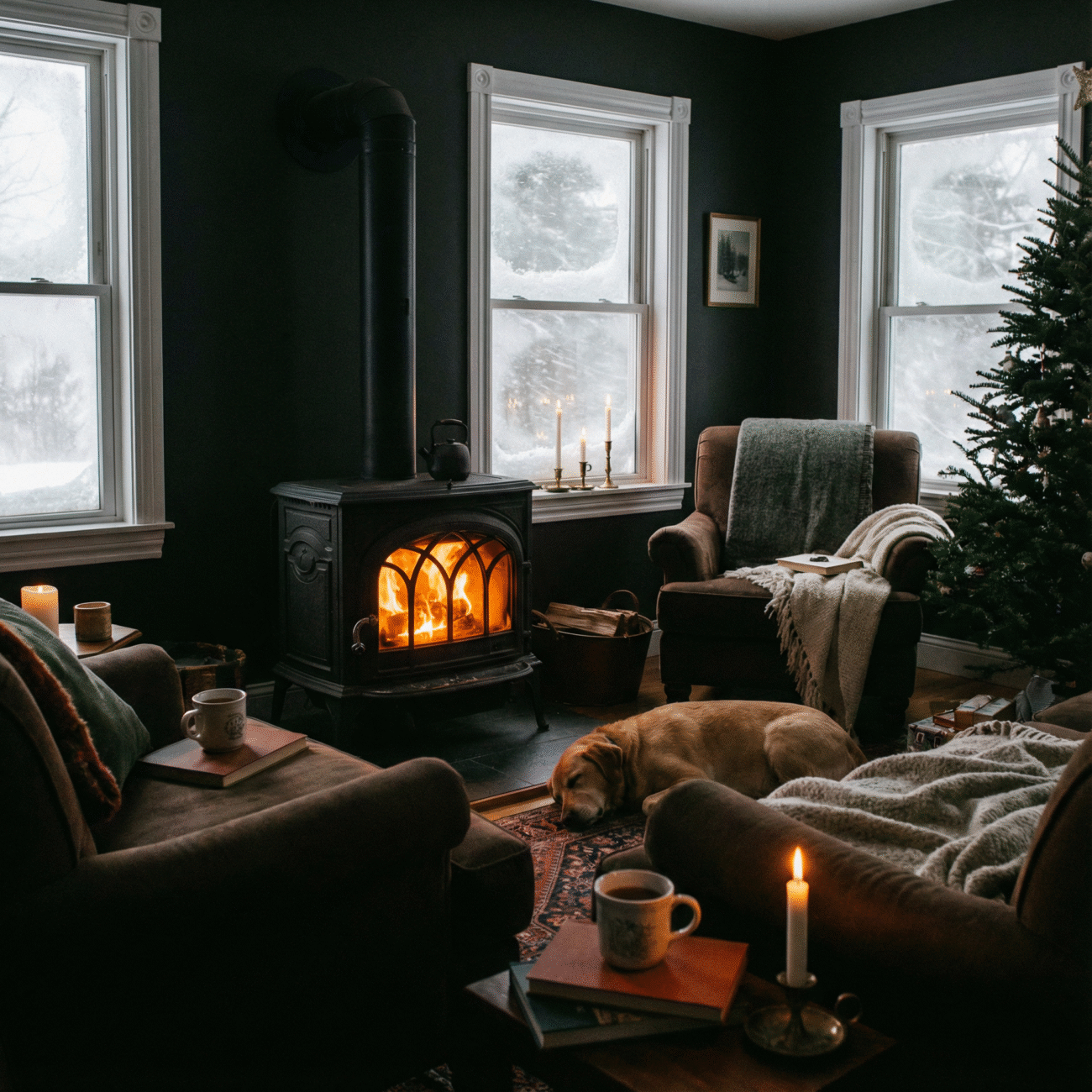
A winter power outage wood stove can quickly become the most important thing in your home when the lights go out and the temperature keeps dropping. If you have ever been through a winter blackout, you already know how quiet, cold, and stressful it can get. The furnace stops, space heaters are useless, and the house starts losing heat faster than most people expect.
This is exactly why a winter power outage wood stove is so valuable. It does not rely on electricity, it produces steady radiant heat, and it keeps working even when everything else shuts down. For many homeowners across the US and Canada, a wood stove is not just a heating appliance. It is a backup plan, a safety net, and peace of mind during the worst winter weather.
This guide is written as pillar content. That means it is designed to be a complete, practical resource you can come back to before and during a winter power outage.
Why Winter Power Outages Are a Serious Risk
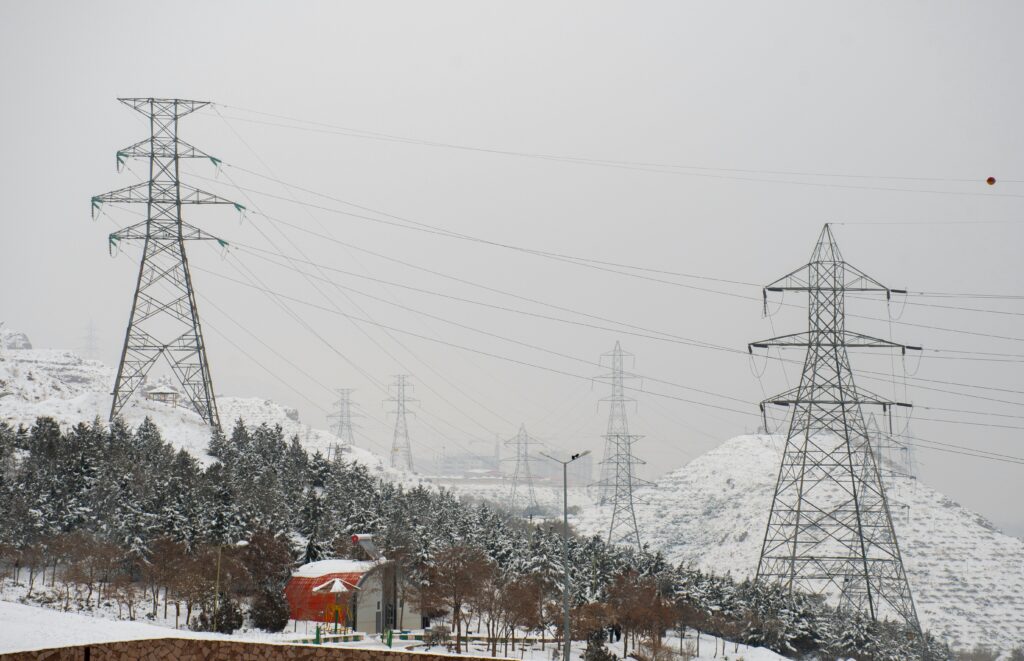
Winter power outages are becoming more frequent and more disruptive. Heavy snow, ice storms, strong winds, and extreme cold put a lot of stress on power lines and electrical equipment. According to the U.S. Energy Information Administration, weather-related power outages have increased significantly over the past decade, with winter storms being a major contributor.
When systems fail, repairs can take hours or even days. The biggest issue is that most modern heating systems depend on electricity. Even homes with gas or propane heat often lose warmth because blowers and controls stop working.
A winter power outage wood stove removes that dependency. It provides heat no matter what is happening with the grid, which is why so many people consider it essential in cold climates. If you’re looking for comprehensive information on Off Grid Cabin Heating Solutions, wood stoves are consistently ranked as one of the most reliable options.
What a Winter Power Outage Wood Stove Is
A winter power outage wood stove is a wood-burning stove designed to heat a home safely without electricity. It uses controlled airflow and a chimney system to produce steady heat while venting smoke outside.
Key characteristics include:
- No electricity required
The stove operates entirely through combustion and airflow. This makes it ideal for emergencies. - Sealed firebox design
Unlike open fireplaces, a sealed stove burns longer and more efficiently. - Strong radiant heat output
Heat spreads into the room and warms surfaces, not just the air.
Modern winter power outage wood stoves are far more efficient and cleaner than older models, especially EPA-certified stoves.
Why a Wood Stove Is One of the Best Backup Heat Options
There are many backup heating options, but few are as dependable as a winter power outage wood stove.
- Reliable during long outages
As long as you have firewood, you have heat. You are not waiting for fuel deliveries or grid repairs. - Consistent warmth
Radiant heat keeps rooms comfortable even when outdoor temperatures are extremely low. - Works in extreme cold
Heat pumps lose efficiency in freezing weather, while wood stoves perform better the colder it gets. - Stable heating costs
Firewood prices tend to be more predictable than electricity or propane during winter demand spikes. Learn more about Cord of Firewood to budget effectively.


7 Smart Ways to Stay Warm with Your Winter Power Outage Wood Stove

1. Prepare Your Wood Stove Before Winter Strikes
Preparation makes all the difference when relying on a winter power outage wood stove.
- Chimney inspection and cleaning A clean chimney improves airflow and reduces fire risk. Creosote buildup is one of the biggest dangers with wood stoves. If you need detailed instructions, check out our comprehensive guide on Cleaning Wood Stove Chimney Yourself. The Chimney Safety Institute of America recommends annual professional inspections for optimal safety.
- Stove inspection Check door gaskets, air controls, and firebricks. Worn parts reduce efficiency and control. If you notice smoke entering your room, our troubleshooting guide on Wood Stove Smoking Problems can help identify and fix the issue.
- Safety equipment check Smoke detectors and carbon monoxide detectors should be installed and tested before winter starts. The National Fire Protection Association provides essential guidelines on proper detector placement.
Preparing early ensures your winter power outage wood stove is ready when you need it most. If you’re planning a new installation, be sure to review our wood stove installation cost guide to understand the investment required.
2. Stock and Store Quality Firewood
Firewood planning is often underestimated, but it is critical.
- How much firewood you need For emergency use, plan for at least three to five days of wood. In colder or rural areas, one to two weeks is safer.
- Best firewood types Hardwoods like oak, maple, birch, and beech burn hotter and longer. Our detailed guide on the Best Firewood for Wood Stove covers specific species and their burning characteristics.
- Importance of seasoned wood Dry wood burns efficiently and produces less smoke. Wet wood wastes heat and creates creosote. According to Thelogcompany, properly seasoned wood should have a moisture content below 20%.
- Proper storage Keep wood off the ground, covered on top, and close enough to access safely during snowstorms. For general fireplace use, you can also reference our article on the Best Wood For Fireplaces.
A winter power outage wood stove is only as good as the firewood feeding it.


3. Master Strategic Heating During Outages
When the power goes out, how you use your stove matters.
- Start heating early Do not wait until your house is already cold. Maintaining heat is easier than trying to regain it.
- Use zone heating Focus on one main living area. Close doors to unused rooms to reduce heat loss.
- Control airflow carefully A steady burn lasts longer and uses less wood than short, intense fires. The U.S. Department of Energy recommends maintaining optimal burn temperatures for efficiency.
Good stove management helps your winter power outage wood stove last through long outages. Don’t forget to have essential Wood Stove Accessories on hand, including thermometers, gloves, and proper tools.
4. Maximize Heat Retention in Your Home
Keeping heat inside is just as important as generating it.
- Seal drafts Use towels or draft stoppers under doors and windows to prevent cold air from entering.
- Use thermal mass Brick, stone, and cast iron absorb heat and release it slowly over time.
- Overnight heat strategy Load larger logs before bed and reduce airflow to maintain warmth while sleeping.
These steps help your winter power outage wood stove work more efficiently.
5. Follow Critical Safety Protocols
Safety should never be ignored when using a winter power outage wood stove.
- Maintain proper ventilation Fresh air is necessary for safe combustion. Poor ventilation can lead to dangerous carbon monoxide buildup.
- Dispose of ashes correctly Store ashes in a metal container outside, away from buildings. Hot ashes can remain dangerous for days.
- Install carbon monoxide detectors Place them near sleeping areas and test them regularly. Consumer Product Safety Commission guidelines emphasize the importance of CO detectors in homes with combustion appliances.
Following these rules keeps your home safe during extended outages. For more detailed safety information, the Centers for Disease Control and Prevention offers comprehensive resources on carbon monoxide safety.
6. Avoid Common Wood Stove Mistakes
Many problems during winter outages come from simple mistakes.
- Burning wet or green firewood This creates excessive smoke, creosote buildup, and wastes heat.
- Overfiring the stove Running your stove too hot can damage components and create safety hazards.
- Ignoring chimney maintenance Creosote accumulation is a leading cause of chimney fires.
- Leaving stove doors open too often This disrupts efficient combustion and allows heat to escape up the chimney.
Avoiding these mistakes helps your winter power outage wood stove perform safely and efficiently. Keep your stove glass clean using our tips on Cleaning Wood Stove Glass Without Chemicals for better visibility and safety.
7. Plan for Extended Outages
Being prepared for multi-day outages separates inconvenience from crisis.
- Build a two-week firewood reserve In severe weather events, you may not be able to access outdoor wood piles safely.
- Create a backup plan Know where additional firewood sources are located and how to access them during storms.
- Maintain emergency supplies Keep flashlights, batteries, food, and water readily available alongside your heating plan.
- Test your system before you need it Run your wood stove during good weather to ensure everything works properly and you understand its operation.
A well-thought-out plan ensures your winter power outage wood stove can carry you through even the longest blackouts with confidence.
Winter Power Outage Wood Stove FAQs
Can you use a wood stove during a winter power outage?
Yes, a winter power outage wood stove can be used safely during a blackout because it does not require electricity to operate. As long as the stove is properly installed and ventilated, it will continue producing heat even when the power is out.
Is a winter power outage wood stove safe to use indoors?
A winter power outage wood stove is safe indoors when it is installed according to local codes, vented through a proper chimney, and monitored with carbon monoxide detectors. Regular maintenance is essential for safe operation.
Can a wood stove heat a house without electricity?
Yes, a winter power outage wood stove can heat a home without electricity by producing radiant heat that warms rooms, walls, and floors directly. Many homes rely entirely on wood stoves during winter outages.
How long will a wood stove keep a house warm during a power outage?
A winter power outage wood stove can keep a house warm for as long as firewood is available. With efficient burning and good insulation, many homes stay warm for several days or even weeks during extended outages.
What is the best backup heat source for winter power outages?
A winter power outage wood stove is one of the best backup heat sources because it works without electricity, provides steady heat, and performs well in extreme cold when other systems fail.
Do modern wood stoves need electricity to work?
No, modern winter power outage wood stoves do not need electricity to operate. They rely on combustion and airflow, making them reliable during power failures.
Is it safe to sleep while a wood stove is burning during a power outage?
Yes, it is safe to sleep while a winter power outage wood stove is burning if it is properly installed, not overfired, and monitored with carbon monoxide detectors and smoke alarms.
How much firewood do you need for a winter power outage?
For a winter power outage wood stove, you should have at least three to five days of seasoned firewood available. In colder regions or rural areas, one to two weeks of firewood is recommended.
Final Thoughts
A winter power outage wood stove provides more than warmth. It provides control and confidence when winter storms knock out the grid. With good preparation, quality firewood, and safe operation, a wood stove can keep your home livable even during long winter outages.
For anyone living in a cold climate, a winter power outage wood stove is one of the most practical and reliable investments you can make. Whether you’re heating a full-size home or considering options for smaller spaces, resources like Wood Stove Hub provide the guidance you need to make informed decisions about your emergency heating strategy.
